
From Rockville to Gaithersburg: The Montgomery County Fair Through the Lens of Lewis Reed
Special Feature for Montgomery County Agricultural Fair Week
August 14–22, 2026
A look back at the fair’s early years through the lens of Lewis Reed.
Every August, hundreds of thousands of visitors flock to the Montgomery County Agricultural Fair to enjoy livestock exhibitions, agricultural displays, carnival rides, competitions, concerts, and family traditions that have endured for generations. While today’s fairgrounds in Gaithersburg are familiar to many, the fair itself began long before the current site existed.
Organized in 1846 by the Montgomery County Agricultural Society, the annual fair was established to promote agriculture, encourage innovation, and strengthen the county’s farming community. For decades, it brought together farmers, merchants, craftsmen, and families from across Montgomery County to exchange ideas, exhibit their finest livestock and crops, and celebrate the region’s agricultural heritage.
By the time Lewis Reed began photographing Montgomery County around the turn of the twentieth century, the fair had become one of the county’s largest and most anticipated annual events. Carrying his camera throughout the fairgrounds, Reed documented not only the exhibits and attractions but also the people who made the fair an enduring community tradition.
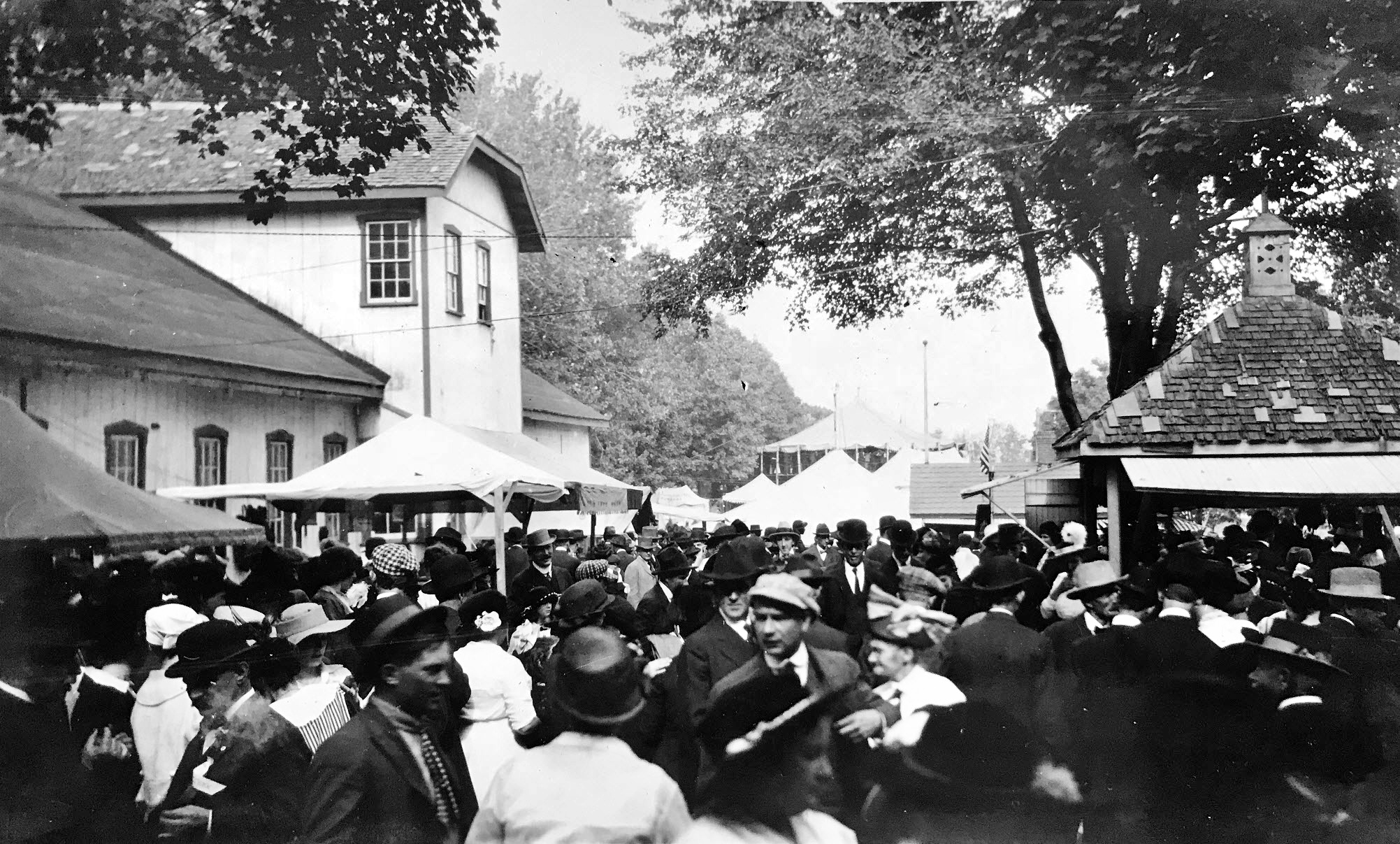
Fairgoers stroll along the midway in their Sunday best, ca. 1910. Broad-brimmed hats, long flowing dresses, and tailored suits reflected the fashion of the era, when dressing for the county fair was as much a social occasion as the event itself.
Reed’s photographs reveal a fair that was both educational and entertaining. Agriculture remained its foundation, but visitors also came to enjoy the excitement of the midway, where amusement rides, games, and food vendors transformed the fairgrounds into a festive gathering place for young and old alike.
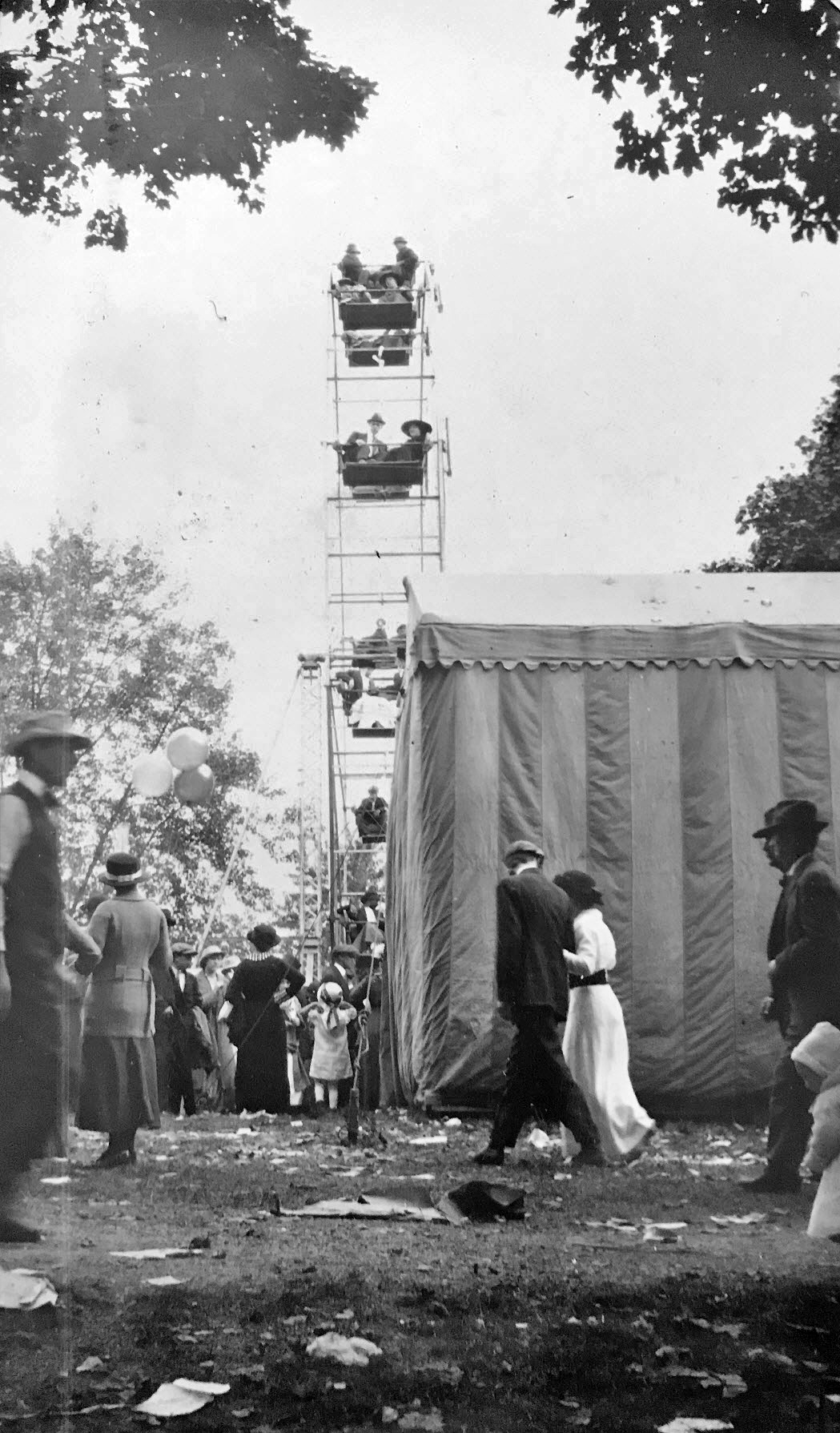
Ferris Wheel at the Montgomery County Fair, Rockville, ca. 1910. One of the fair’s most popular attractions towered above the fairgrounds, symbolizing how the annual exhibition combined agricultural traditions with modern entertainment.
Behind the excitement of the midway was the fair’s original purpose. Exhibition halls displayed the county’s finest produce, flowers, baked goods, preserves, and handcrafted items, while nearby barns housed prize-winning livestock representing the best of Montgomery County’s farms. Manufacturers exhibited the latest farm machinery and equipment, giving visitors an opportunity to see how new technology was steadily transforming rural life.
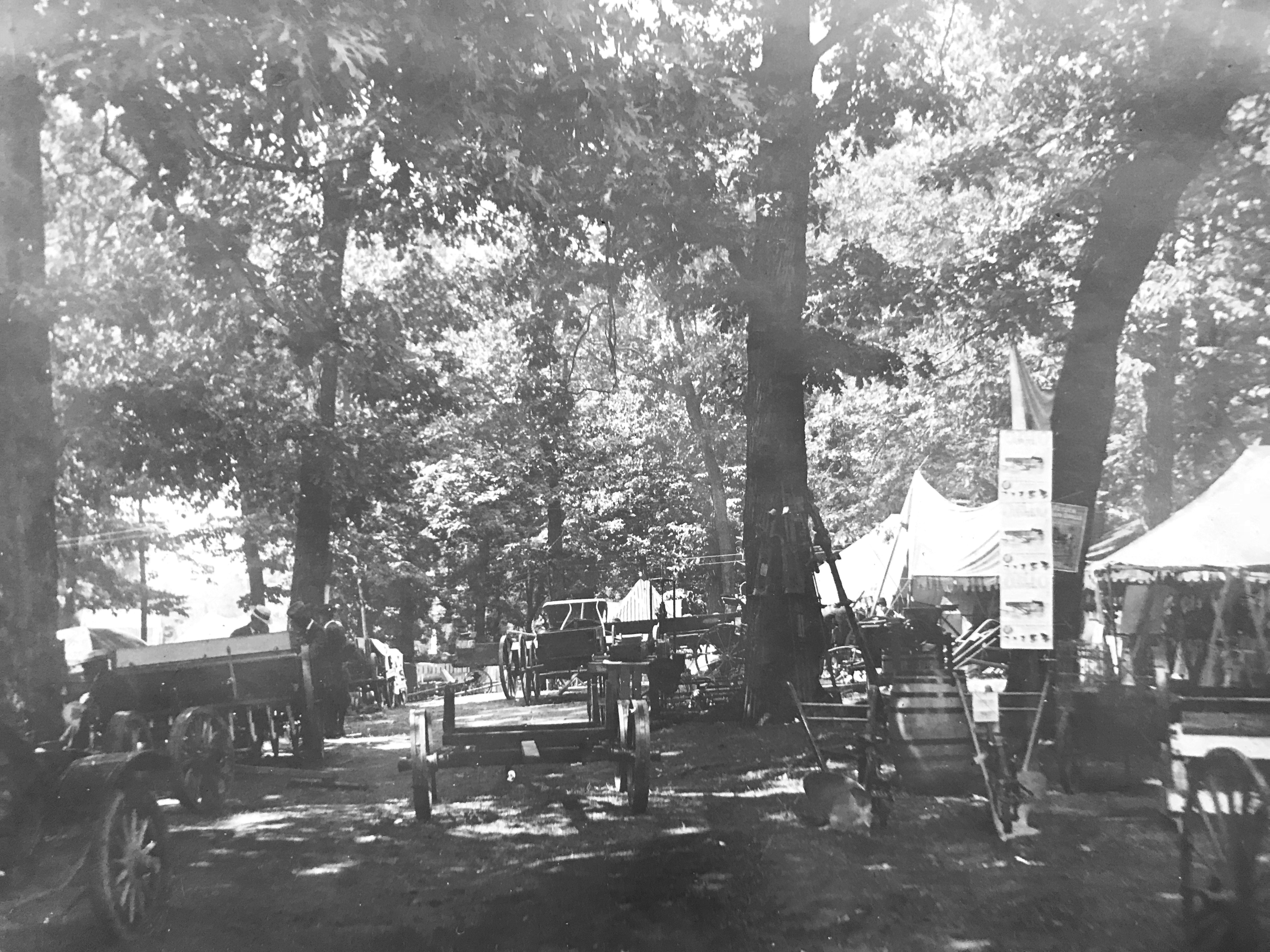
Agriculture remained the heart of the fair. Manufacturers displayed the latest farm machinery, giving local farmers an opportunity to compare new equipment and modern farming methods.
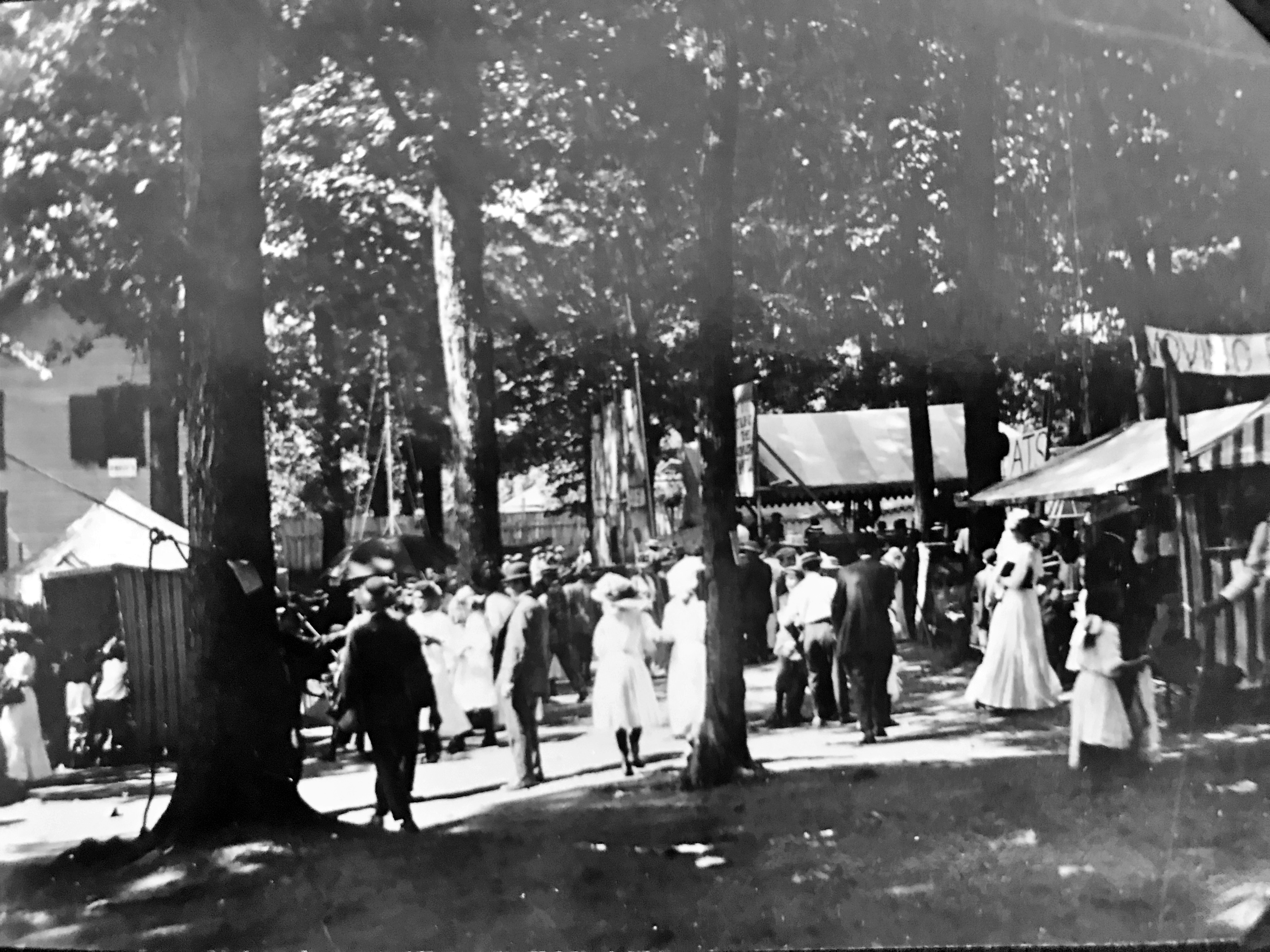
Visitors explored displays celebrating Montgomery County’s agricultural achievements, local craftsmanship, and community pride.
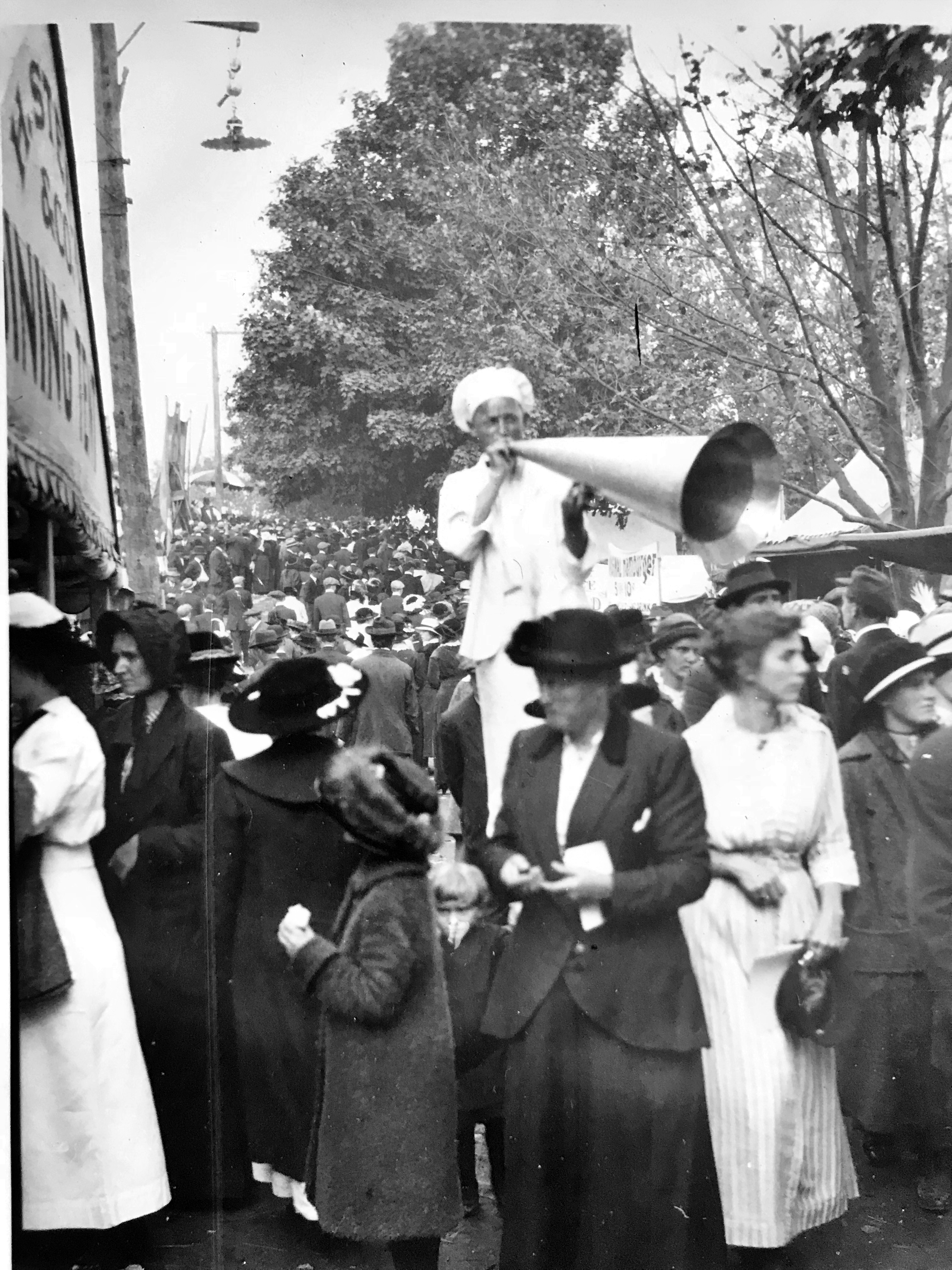
An exhibitor captures the attention of fairgoers.
One of Lewis Reed’s most compelling photographs captures hundreds of automobiles parked throughout the fairgrounds. As a lifelong automobile enthusiast and future founder of Reed Brothers Dodge, Reed recognized that the motorcar was transforming Montgomery County. His photograph preserves that moment when the automobile had become an integral part of daily life and community gatherings.
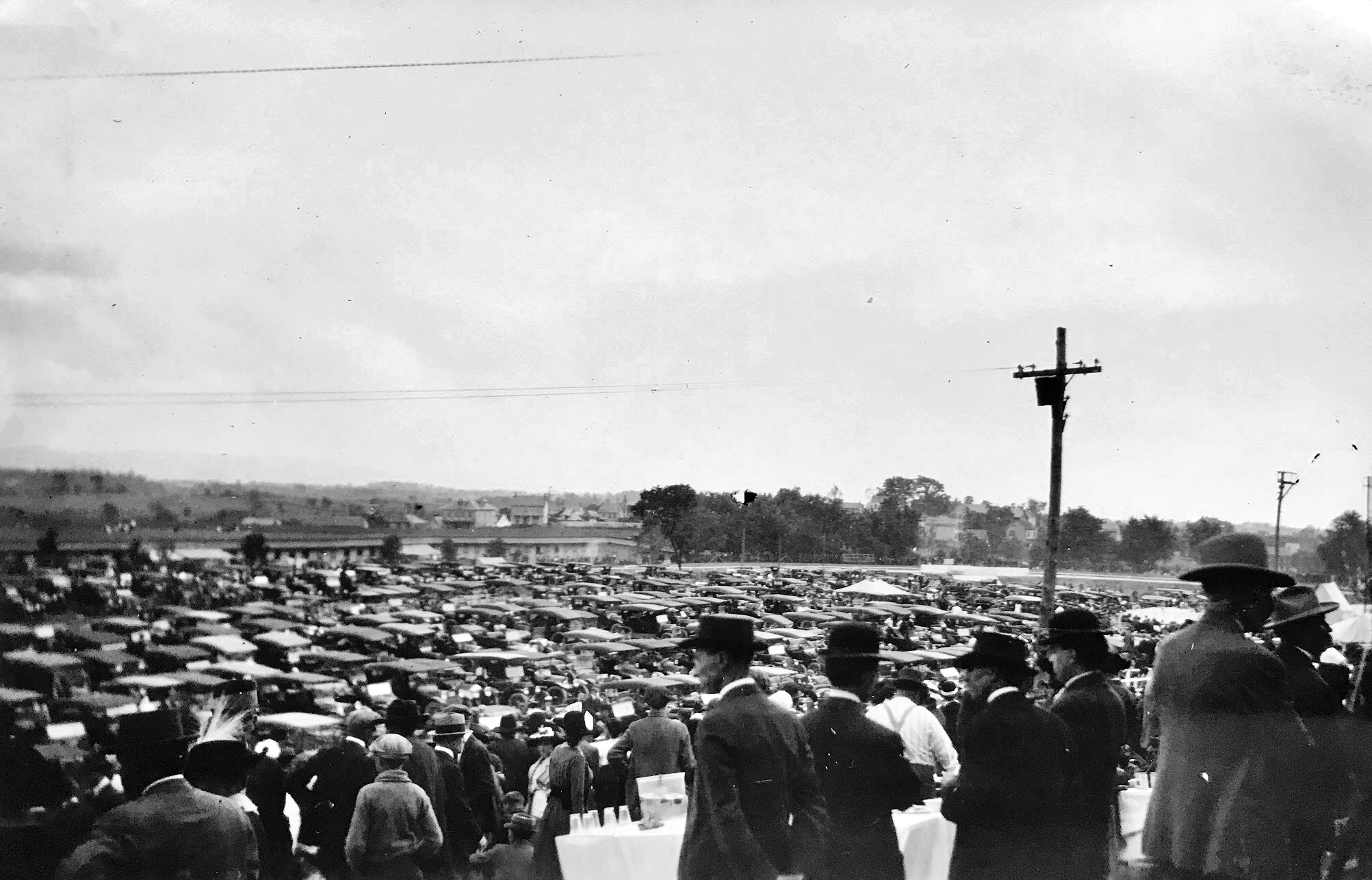
Hundreds of cars in the parking lot.
The grandstand and one-third-mile dirt race track were among the fair’s most popular attractions. Horse racing remained a favorite event, while bicycle races, motorcycle exhibitions, and eventually automobile competitions reflected America’s growing fascination with speed and mechanical innovation. Reed’s photographs preserve these moments at a time when transportation itself was rapidly changing.
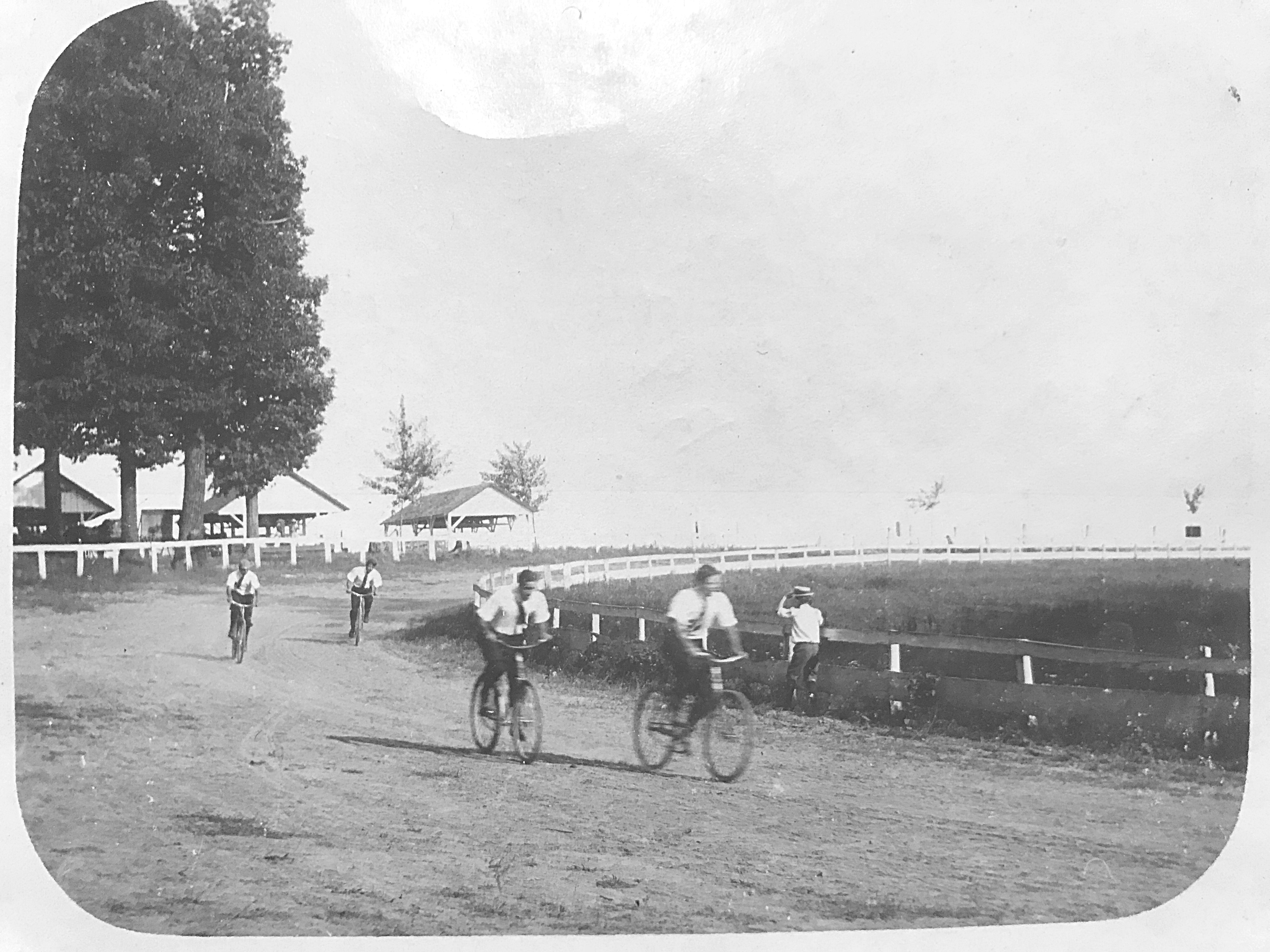
Bicycle races became very popular throughout the country and were a novel event at the Rockville Fairgrounds as early as 1915. The track was a half-mile dirt racing oval with wide, sweeping curves and a grandstand for spectators, which made for clear views. Notice the riders are in shirts and ties.
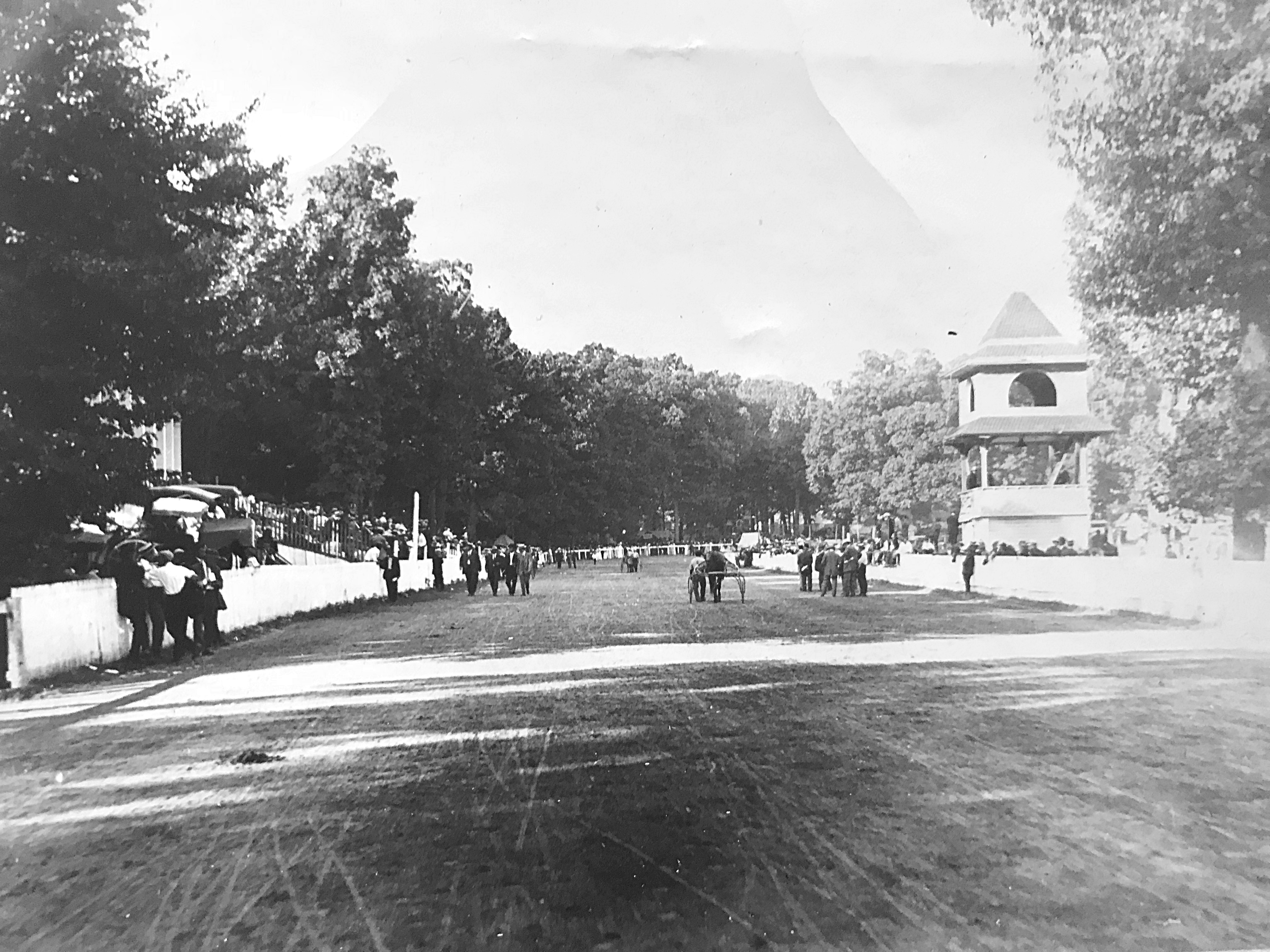
Harness racing was one of the main attractions at the race track before the introduction of the automobile and the subsequent popularity of racing cars.
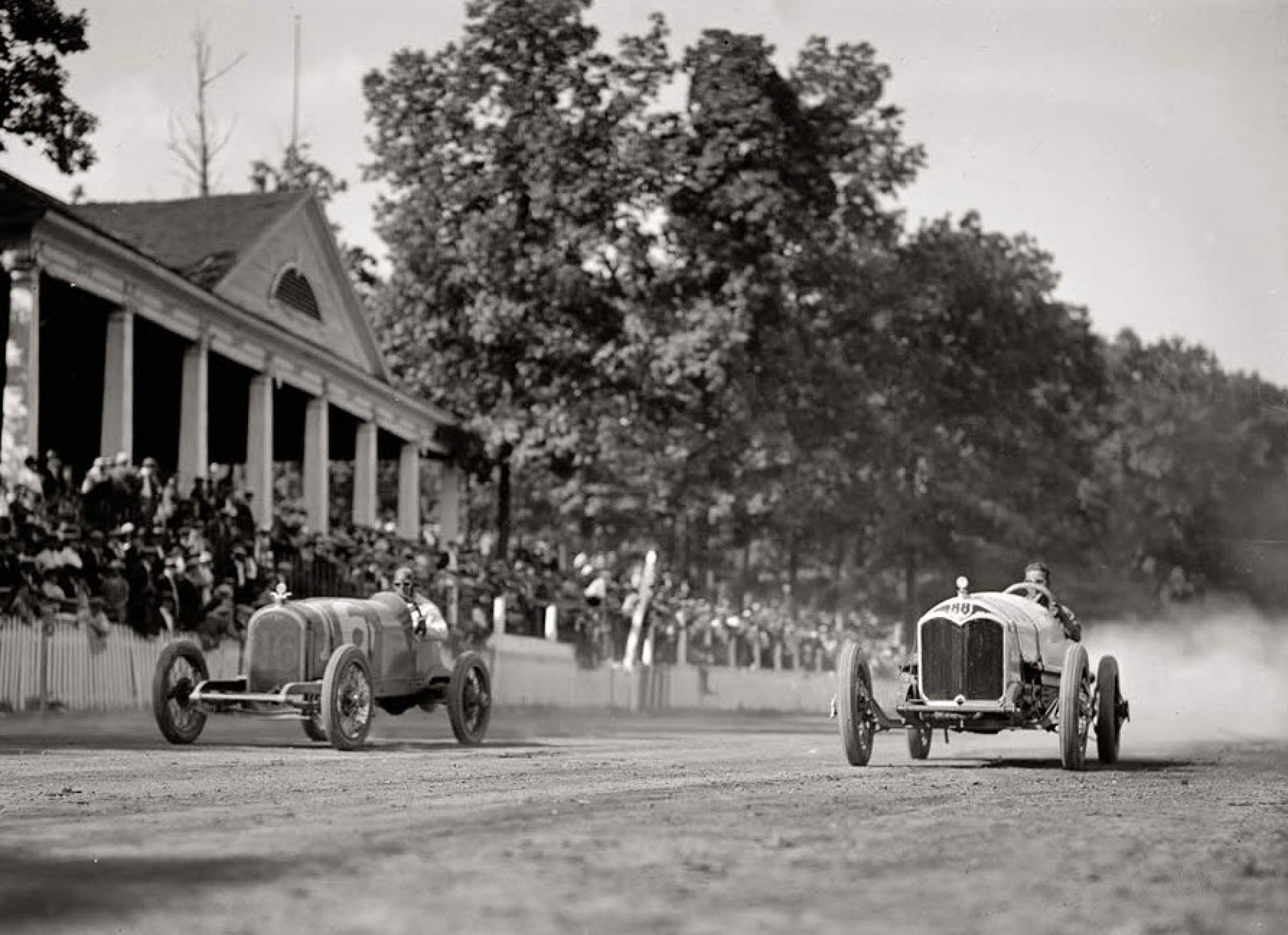
Spectators pack the grandstand for the automobile races at the Rockville Fair, August 25, 1923. Racing events drew visitors from across the region and showcased the excitement of the new motor age.
The Rockville fairgrounds continued to host the Montgomery County Fair until 1932, when financial hardships brought on by the Great Depression forced the Agricultural Society to sell the property. The site would later become the home of Richard Montgomery High School. In 1949, hundreds of volunteers joined together to establish the Montgomery County Agricultural Center in Gaithersburg, where the fair continues today.
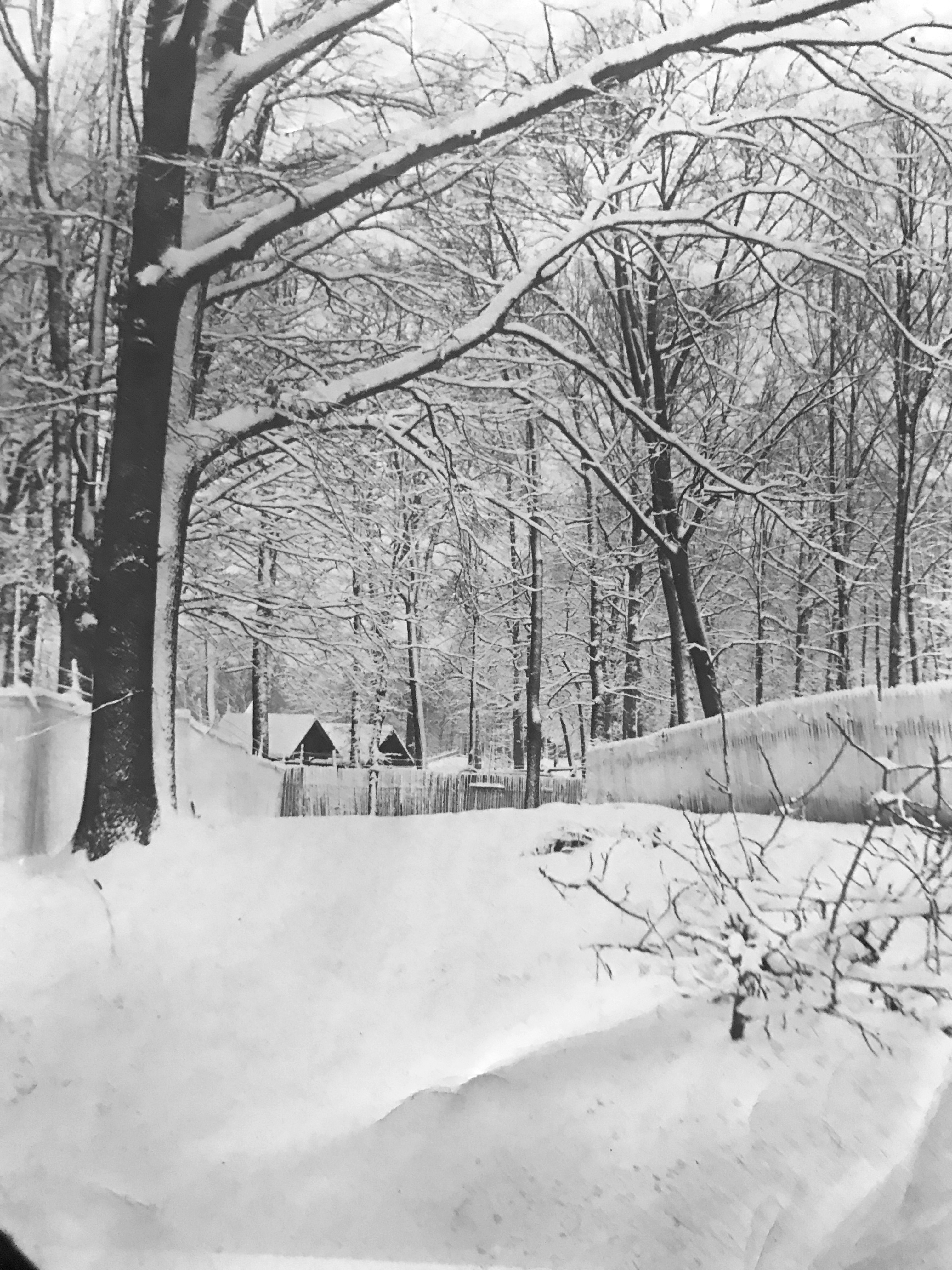
Winter at the Rockville Fairgrounds, 1910. Lewis Reed’s photograph captures a rare, tranquil view of the fairgrounds between seasons, preserving a landscape that would eventually disappear from Montgomery County.
Much has changed since Lewis Reed walked the fairgrounds with his camera. The original race track has disappeared, the Rockville fairgrounds exist only in photographs, and Montgomery County has grown from a rural farming community into one of Maryland’s most populous counties. Yet the fair’s mission has remained remarkably consistent: celebrating agriculture, education, community, and innovation.
As visitors gather for this year’s Montgomery County Agricultural Fair, Lewis Reed’s photographs offer a rare opportunity to look back at the fair’s early years and experience a tradition that has united generations of Montgomery County residents for nearly 180 years.

Books

Related Resources


Copyright Notice

Reed Brothers Dodge History (1915-2012) by Jeanne Gartner is licensed under a Creative Commons Attribution-NonCommercial 3.0 Unported License.


Recent Comments