
Saylorsburg Lake House Hotel: From Lakeside Retreat to Haunted Legend
Discover the haunting history of the Lake House Hotel in Saylorsburg, Pennsylvania. Once captured in a 1915 photograph by Lewis Reed, this former lakeside resort is now home to the Hotel of Horror, one of the Pocono Mountains’ most legendary haunted attractions.
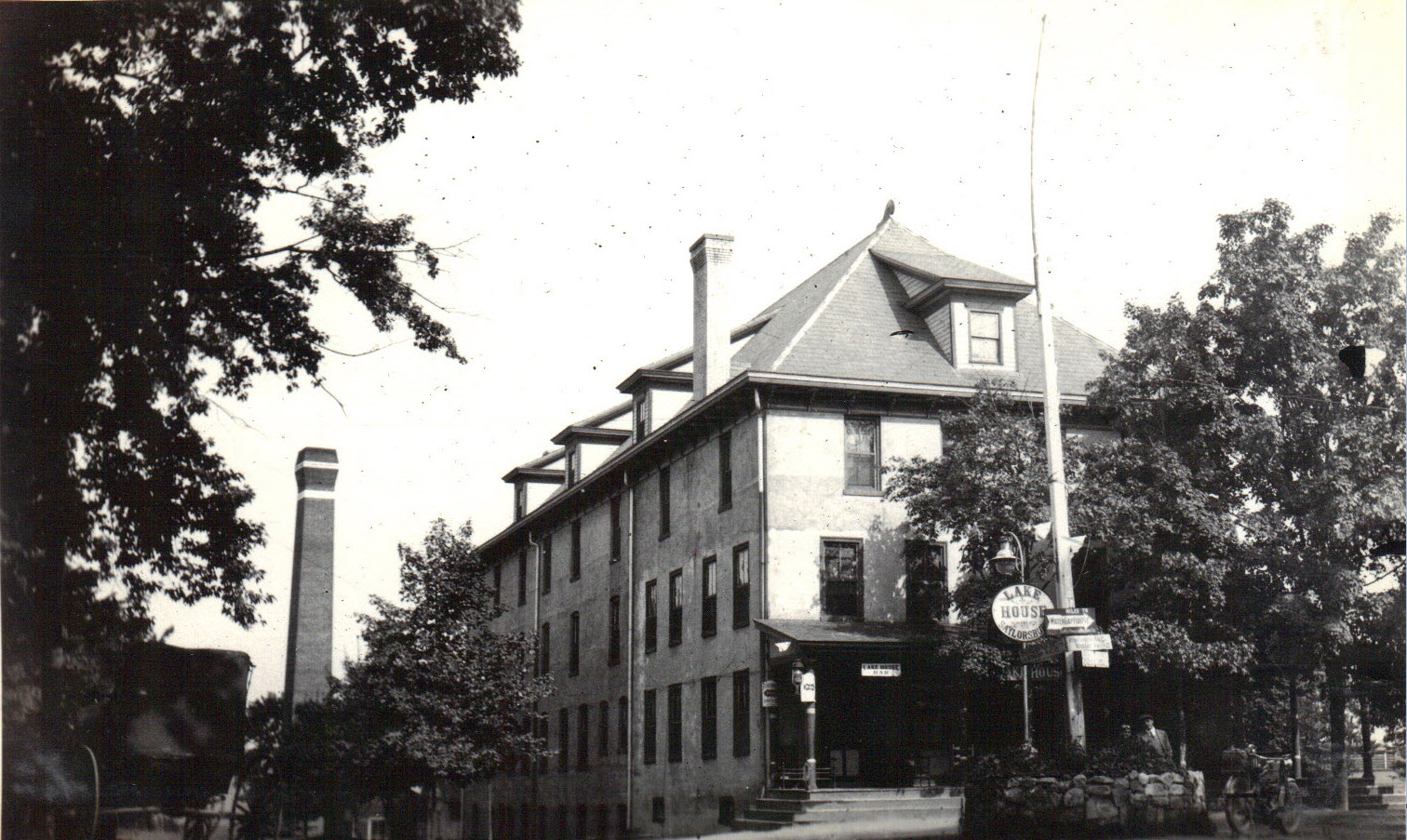
Saylorsburg Lake House Hotel. Photo taken by Lewis Reed, 1915.
More than a century ago, a quiet corner of Saylorsburg, Pennsylvania, drew vacationers seeking relaxation beside the sparkling waters of Saylors Lake. Long before it became known as the Hotel of Horror, the Lake House Hotel was one of the region’s most recognizable landmarks; a grand, three-story resort that welcomed travelers for generations.
One of the earliest known photographs of the Lake House was taken in 1915 by Lewis Reed, founder of Reed Brothers Dodge in Rockville, Maryland. Reed, an accomplished photographer with an eye for architectural detail, captured the hotel at a time when it stood as a proud symbol of the Pocono Mountains’ growing popularity as a leisure destination. His image shows a sturdy, stately building surrounded by calm and charm; a far cry from the ghostly atmosphere the site is known for today.
Built in the early 1800s, the Lake House Hotel served as a central gathering place for both locals and vacationers. It offered not only comfortable lodging but also fine dining, boating, and dancing by the lake. The hotel’s reputation grew through the 19th and early 20th centuries, and by the time Lewis Reed visited, it had already become a well-established destination for city dwellers looking to escape the summer heat.

The Lake House Hotel in Saylorsburg, site of Hotel of Horror. Google image, 2025
From Lakeside Retreat to Haunted Legend
The Lake House’s story took a darker turn as decades passed. Local legend claims that during World War II, most of the hotel’s staff enlisted in the Pennsylvania National Guard, leaving behind only a caretaker. The tale goes that nearby asylum inmates escaped and sought refuge in the hotel, leading to a series of mysterious and tragic events. Whether rooted in truth or simply folklore, the story added a haunting aura to the building’s legacy.
By the late 20th century, the once-elegant hotel had fallen into disrepair. In 1990, it reopened briefly as an antique co-op before being transformed into a haunted attraction. Since 1992, the Hotel of Horror and Altered Nightmares have operated within its historic walls, breathing new life into the old building each Halloween season. Visitors now walk through the same corridors that Lewis Reed once photographed, only today, they’re filled with eerie sounds, flickering lights, and the echoes of imagined ghosts.
More than just a haunted house, the Lake House Hotel remains a remarkable link to Pennsylvania’s past. Through Lewis Reed’s 1915 photograph, we catch a glimpse of its former grandeur; a moment frozen in time before history, legend, and imagination intertwined to make it one of the Poconos’ most enduring stories.
To all the readers of this blog: Have a spooky, enjoyable and very safe Halloween!


Books

Related Resources


Copyright Notice

Reed Brothers Dodge History (1915-2012) by Jeanne Gartner is licensed under a Creative Commons Attribution-NonCommercial 3.0 Unported License.
 Reed Brothers Dodge History 1915 – 2012
Recent Comments