
Honoring Sergeant Edgar Reed: A Veterans Day Remembrance
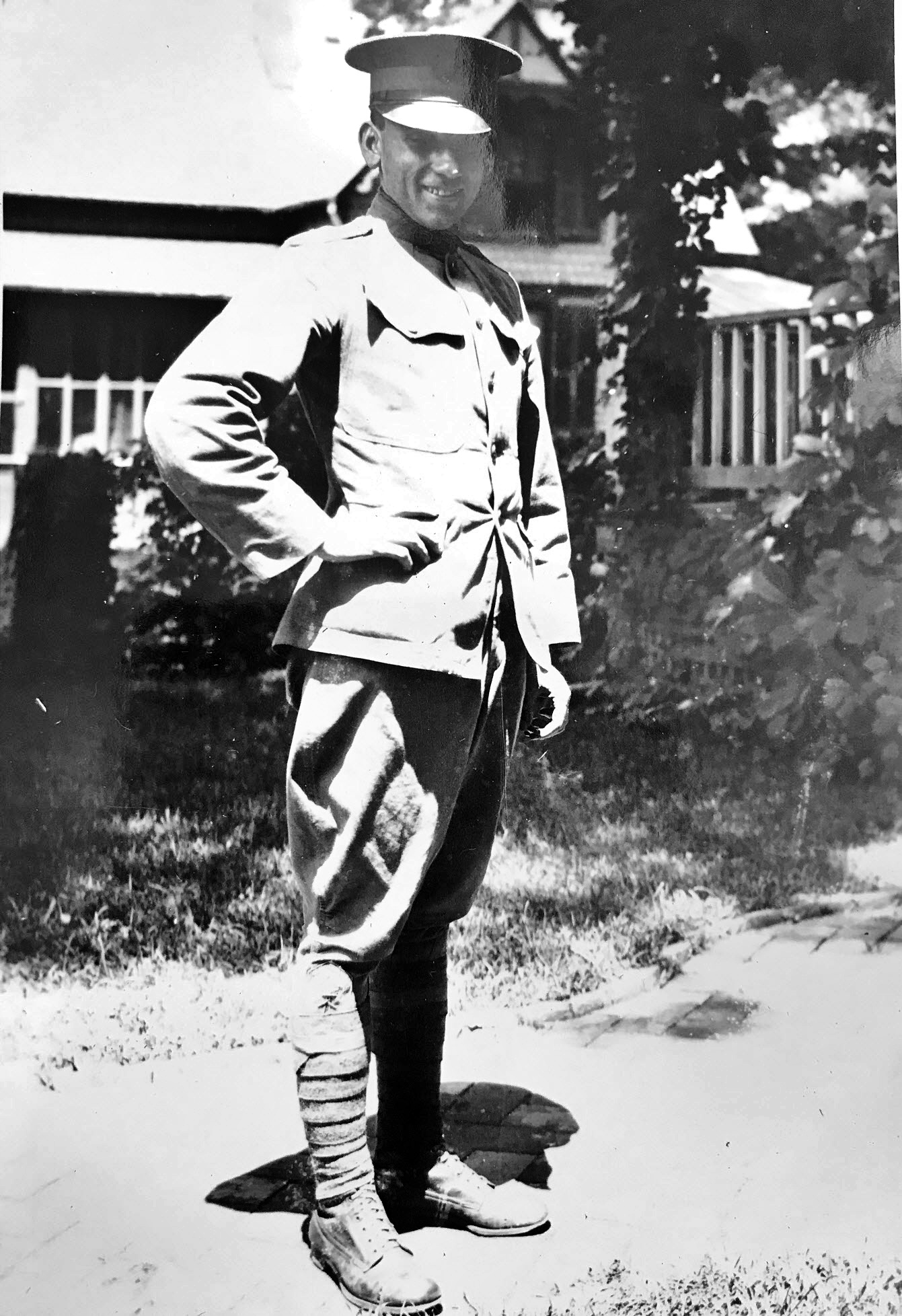
This photo of Edgar was taken around 1918 by Lewis Reed.
Veterans Day, observed annually on November 11th, is a time to honor all who have served in the United States Armed Forces. It is a day to reflect on the sacrifices made by these brave individuals and to express gratitude for their dedication to protecting our nation’s freedoms. This special tribute commemorates the dedication and contributions of Sergeant Edgar Reed, who served his nation with honor during World War I.
Military Service in World War I
The United States initiated a draft for World War I on September 28, 1917. On this day, the first 40 draftees from Montgomery County reported for duty at the Montgomery County Court House in Rockville, Maryland. Following speeches, dinner, and a parade, these recruits, including Rockville resident Edgar Reed, departed by train for Camp Meade, Maryland. Approximately 160 men from Rockville served in the eighteen-month war.
Edgar Reed enlisted in the U.S. Army as a Private on February 26, 1918, at the age of 27. At the time, he resided on Montgomery Avenue in Rockville and had been employed for eight years by R.W. Vinson, a Rockville druggist. His military career saw rapid advancement; he was promoted to Private First Class on April 27, 1918, and subsequently to Sergeant on February 14, 1919.
According to “Maryland Military Men, 1917-1918,” Edgar Reed served in the U.S. Army Medical Corps from February 1918 to August 1919. During his service, he was posted to General Hospital No. 16 in New Haven, Connecticut, and later to General Hospital No. 11 in Cape May, New Jersey.
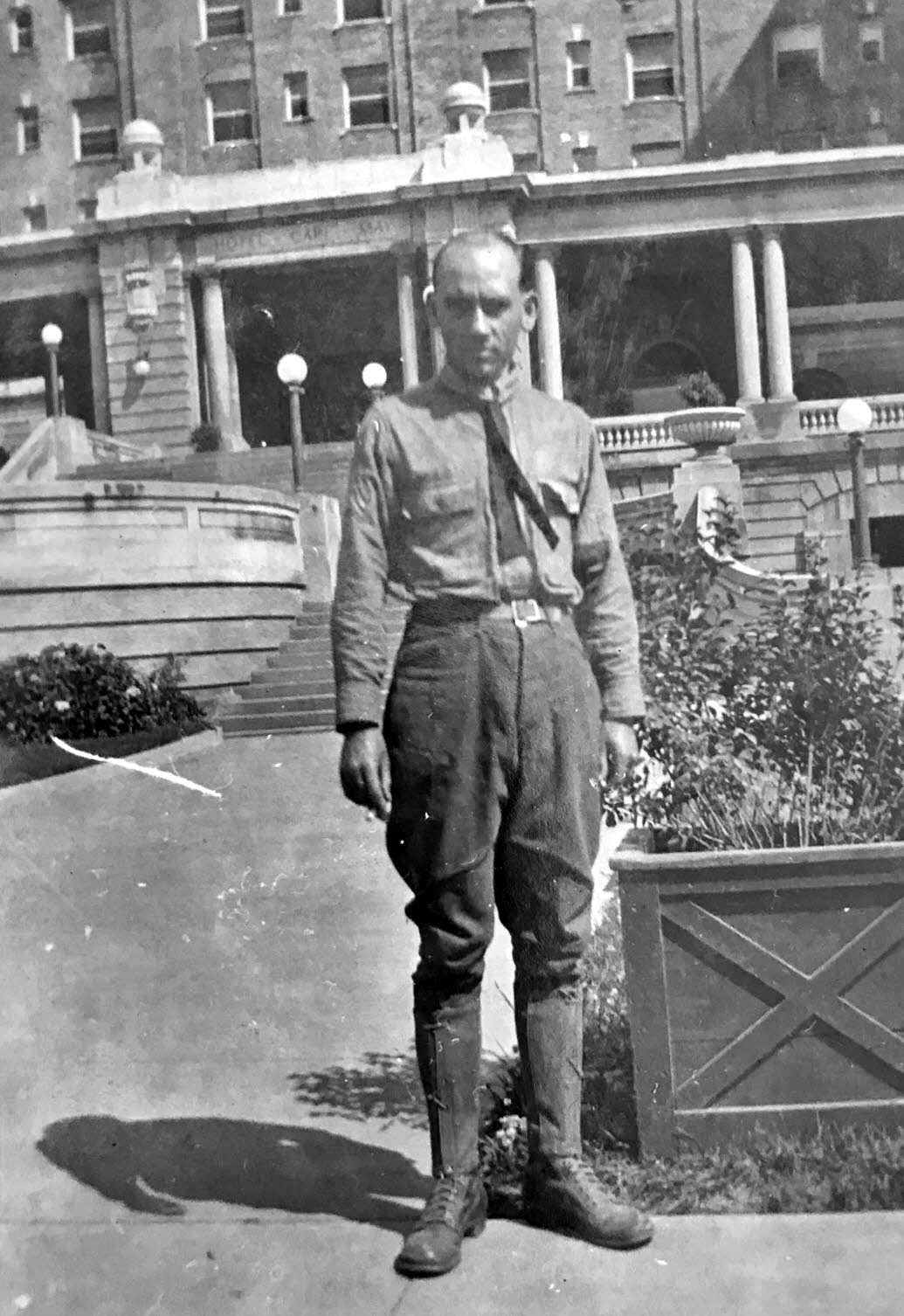
Edgar at Hotel Cape May, New Jersey. Photo by Lewis Reed, 1918
General Hospital No. 11, Cape May, New Jersey
The establishment of military hospitals during World War I often involved converting existing structures. The War Department, upon the recommendation of the Surgeon General, leased the Hotel Cape May in New Jersey for use as a general hospital on December 18, 1917. Initially designated as General Hospital No. 16, its name was changed to General Hospital No. 11 on March 14, 1918. This facility, located on Ocean Drive near the Atlantic Ocean, quartered enlisted personnel in tents behind the main building.
Post-War Life and Legacy
World War I officially concluded with an armistice between Germany and the Allied nations on November 11, 1918, at 11:00 AM. Edgar Reed was transferred to the Demobilization Center at Camp Lee, Virginia, on August 4, 1919, and received an honorable discharge on August 6, 1919.

Edgar Reed and friends returning home on the train after the war ended wearing the World War I “Victory Medal” on their lapels. Photo taken by Lewis Reed.
After returning from the war, Edgar joined his brother, Lewis, in the automobile business and became an active member of the Henderson-Smith-Edmonds American Legion Post 86 in Rockville. Through this organization, he continued his commitment to service by supporting fellow veterans, participating in community events, and helping preserve the legacy of those who served. This engagement not only reinforced his personal sense of duty but also strengthened the ties between his family’s business and the local community.
How the 1984 Dodge Caravan Changed Automotive History

1984 Dodge Caravan
On November 2, 1983, history shifted on wheels: the first modern minivan rolled off Chrysler’s production line, marking the birth of an entirely new vehicle class. At the time, Chrysler was teetering on the edge of collapse, but this bold launch would become the gamble that revived the company.
A Risk Worth Taking
Under Lee Iacocca’s leadership, Chrysler bet heavily on the idea that the next generation of young families wanted something more practical than a station wagon. With the U.S. economy struggling and Chrysler’s survival uncertain, Iacocca pressed forward with a $660 million minivan program, financed in part by a $1.5 billion government loan guarantee.
The strategy paid off. Sales of the company’s K-car models helped stabilize finances and set the stage for the debut of the Dodge Caravan and Plymouth Voyager. Demand was so strong that Chrysler was able to repay its federal loans years ahead of schedule.
The Minivan that Changed Everything
The original 1984 Dodge Caravan was engineered with families in mind. Though boxy in shape, with wood-grain style panels reminiscent of the classic station wagon, it offered an interior that was spacious, comfortable, and remarkably versatile. The sliding side door made entry safe and convenient, especially for families with young children, while interior features such as power windows and a car-like dashboard gave it a sense of refinement previously unseen in utility vehicles.
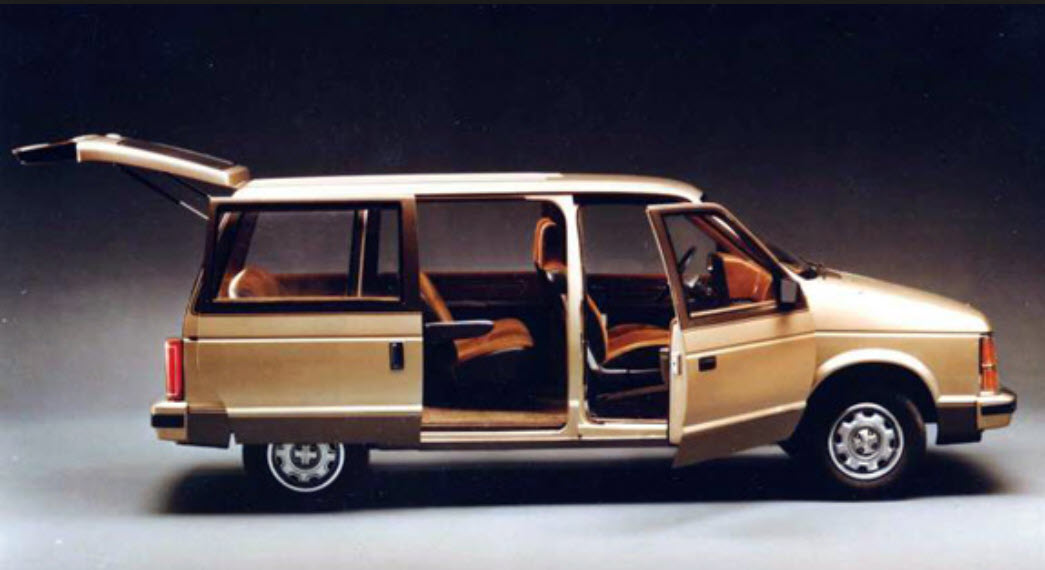
1984 Dodge Caravan
The 1984 Dodge Caravan was an immediate success. It brought Chrysler back from the brink of bankruptcy and reinvigorated the automotive market. Many buyers had to wait weeks for delivery because demand far outstripped supply. Dodge had created an entirely new market segment with the minivan—and competitors soon rushed to follow suit.
The early 1980s had been an extremely painful period for Chrysler, but Reed Brothers Dodge survived, continuing to serve its loyal Montgomery County customers through one of the most turbulent times in the company’s history.
A Legacy That Lasts
When Lee Iacocca introduced a 12,000-mile Voyager at Chrysler’s Windsor, Ontario plant that November day, he declared it the beginning of a new era. He was right. The minivan reshaped family transportation, inspired countless imitators, and cemented Chrysler’s place in automotive history.
Saylorsburg Lake House Hotel: From Lakeside Retreat to Haunted Legend
Discover the haunting history of the Lake House Hotel in Saylorsburg, Pennsylvania. Once captured in a 1915 photograph by Lewis Reed, this former lakeside resort is now home to the Hotel of Horror, one of the Pocono Mountains’ most legendary haunted attractions.
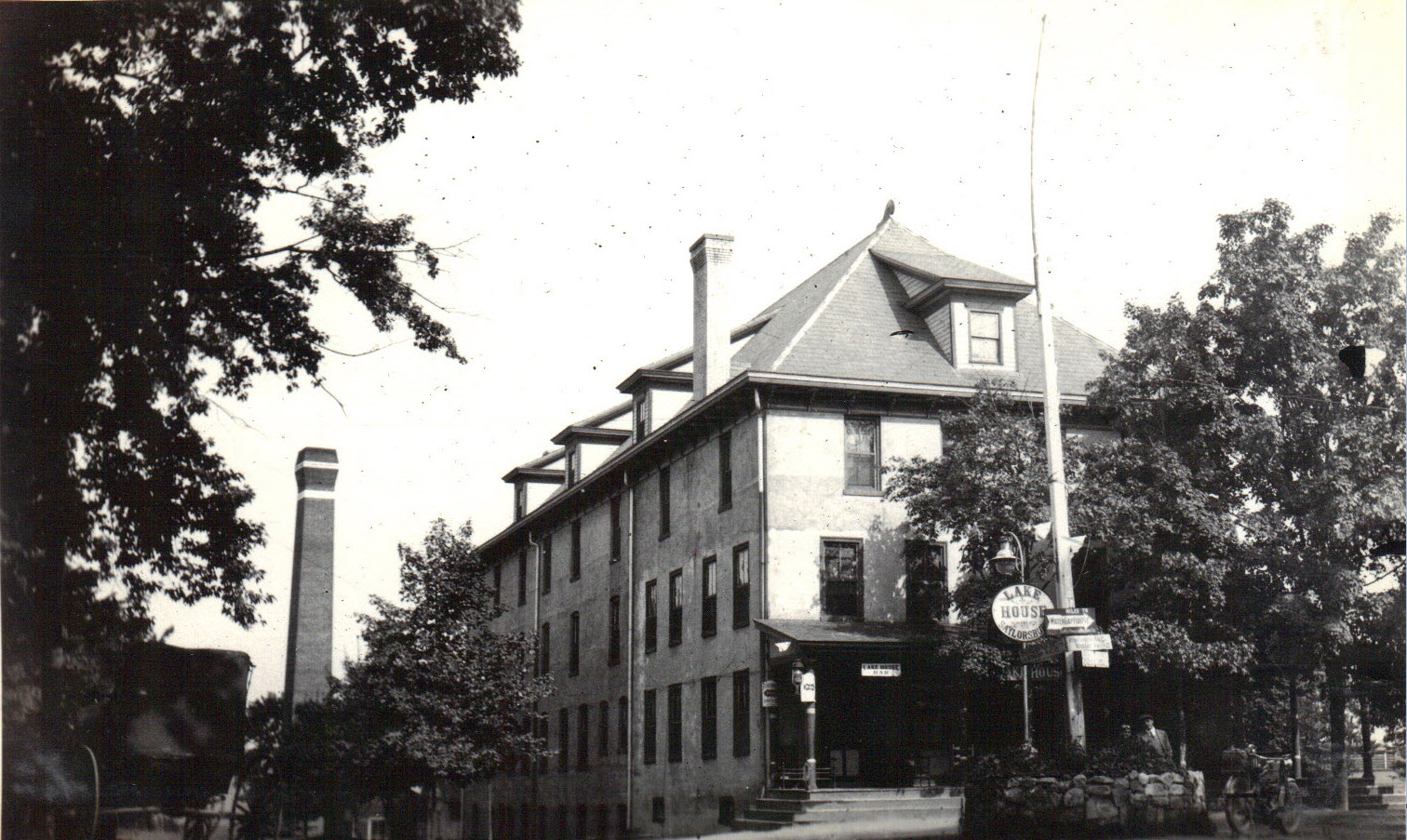
Saylorsburg Lake House Hotel. Photo taken by Lewis Reed, 1915.
More than a century ago, a quiet corner of Saylorsburg, Pennsylvania, drew vacationers seeking relaxation beside the sparkling waters of Saylors Lake. Long before it became known as the Hotel of Horror, the Lake House Hotel was one of the region’s most recognizable landmarks; a grand, three-story resort that welcomed travelers for generations.
One of the earliest known photographs of the Lake House was taken in 1915 by Lewis Reed, founder of Reed Brothers Dodge in Rockville, Maryland. Reed, an accomplished photographer with an eye for architectural detail, captured the hotel at a time when it stood as a proud symbol of the Pocono Mountains’ growing popularity as a leisure destination. His image shows a sturdy, stately building surrounded by calm and charm; a far cry from the ghostly atmosphere the site is known for today.
Built in the early 1800s, the Lake House Hotel served as a central gathering place for both locals and vacationers. It offered not only comfortable lodging but also fine dining, boating, and dancing by the lake. The hotel’s reputation grew through the 19th and early 20th centuries, and by the time Lewis Reed visited, it had already become a well-established destination for city dwellers looking to escape the summer heat.

The Lake House Hotel in Saylorsburg, site of Hotel of Horror. Google image, 2025
From Lakeside Retreat to Haunted Legend
The Lake House’s story took a darker turn as decades passed. Local legend claims that during World War II, most of the hotel’s staff enlisted in the Pennsylvania National Guard, leaving behind only a caretaker. The tale goes that nearby asylum inmates escaped and sought refuge in the hotel, leading to a series of mysterious and tragic events. Whether rooted in truth or simply folklore, the story added a haunting aura to the building’s legacy.
By the late 20th century, the once-elegant hotel had fallen into disrepair. In 1990, it reopened briefly as an antique co-op before being transformed into a haunted attraction. Since 1992, the Hotel of Horror and Altered Nightmares have operated within its historic walls, breathing new life into the old building each Halloween season. Visitors now walk through the same corridors that Lewis Reed once photographed, only today, they’re filled with eerie sounds, flickering lights, and the echoes of imagined ghosts.
More than just a haunted house, the Lake House Hotel remains a remarkable link to Pennsylvania’s past. Through Lewis Reed’s 1915 photograph, we catch a glimpse of its former grandeur; a moment frozen in time before history, legend, and imagination intertwined to make it one of the Poconos’ most enduring stories.
To all the readers of this blog: Have a spooky, enjoyable and very safe Halloween!

Historic Tracks: Gettysburg Lincoln Railroad Station Then and Now
The Gettysburg Lincoln Railroad Station is more than just a building, it’s a piece of American history. From Abraham Lincoln’s famous journey to deliver the Gettysburg Address to the thousands of visitors who pass through today, this station has seen it all. In this “Then & Now” post, we take a look at how this iconic landmark has changed (or stayed the same!) over the years, giving us a fresh perspective on a place that helped shape our nation’s story.
Gettysburg Lincoln Railroad Station (THEN): Captured by photographer Lewis Reed in 1914, this remarkable image shows a crowd gathered along the tracks outside the Gettysburg Lincoln Railroad Station. The station’s elegant Italianate architecture with its arched windows, decorative brickwork, and central cupola stands prominently in the background. A steam locomotive waits at the platform as men in suits and bowler hats fill the scene, evoking an era when rail travel was both essential and ceremonial. The photograph offers a vivid glimpse into early 20th-century life in Gettysburg, when the railroad still served as the town’s vital connection to the wider world.
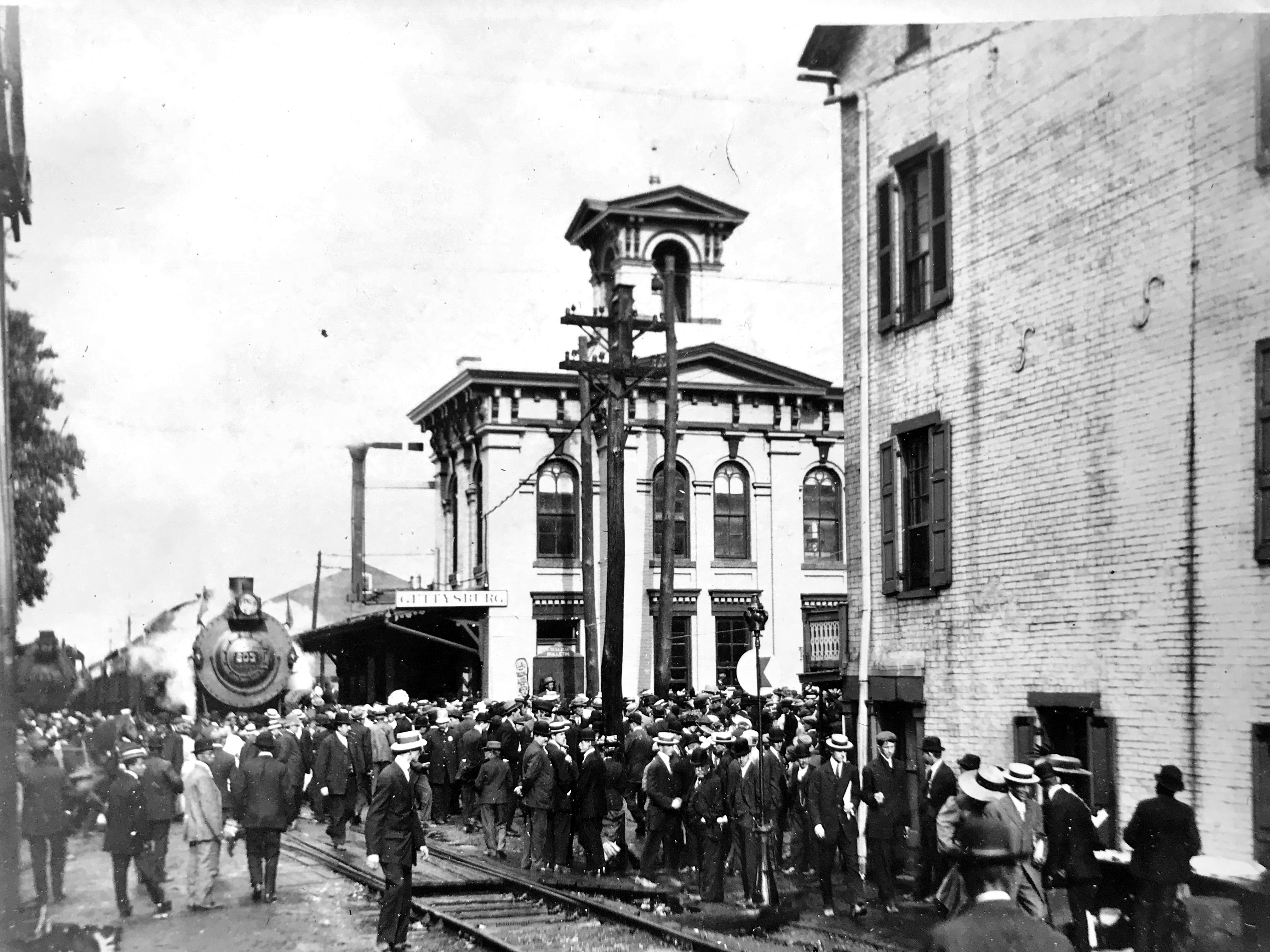
A historic photograph of the Gettysburg Lincoln Railroad Station captured by Lewis Reed in 1914, showing the depot in its early 20th-century setting.
Gettysburg Lincoln Railroad Station (NOW): More than a century later, the restored Gettysburg Lincoln Railroad Station continues to welcome visitors; though today, they come not to board trains, but to step back in time. The station now operates as a museum and visitor center, preserving the story of Abraham Lincoln’s arrival to deliver the Gettysburg Address in 1863. Its beautifully restored façade and carefully maintained details honor both its Civil War legacy and the generations that followed, ensuring this historic landmark remains a lasting link between past and present.
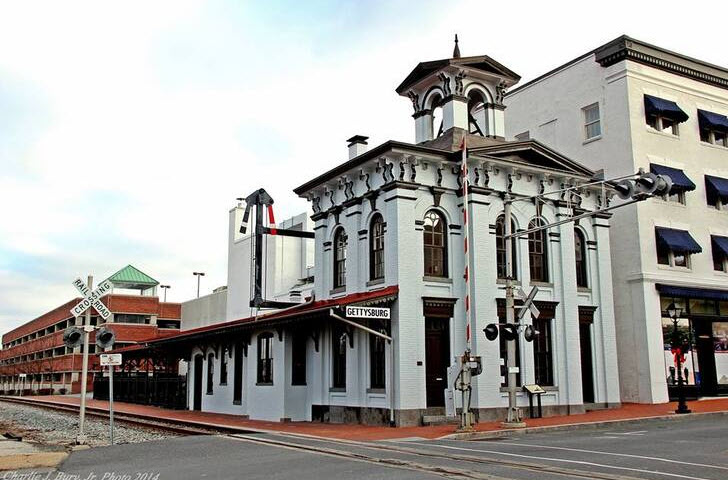
Gettysburg Railroad Lincoln Train Museum Today
Halloween History: Montgomery County 100 Years Ago
Have you ever wondered how families in Montgomery County marked Halloween 100 years ago? Thanks to a collection of photographs from Lewis Reed, we can journey back to the year 1914 and glimpse the traditions of that era.
At the start of the 20th century, Halloween costumes were simple, women usually donned their everyday attire enhanced with homemade masks. The concept of full costumes was just emerging, inspired by the popular masquerade balls of the early 1900s. It wasn’t until the 1920s and 1930s that manufactured costumes became widely available for purchase.

Halloween, ca. 1914. These women are holding homemade Halloween masks for their upcoming celebration. Photo by Lewis Reed
In those days, a simple mask was all it took to join in the festivities. Curious about how your ancestors celebrated? Old newspapers provide wonderful insights into the customs and community spirit of the time, and Lewis Reed’s photos enrich this nostalgic look back.
Stores Well-Stocked for Festivities
Local stores prepared for the season by stocking Halloween essentials. Advertisements from the period featured costumes and masquerade suits for parties and social events, signaling that the holiday was well embraced.

The Washington Post, 30 October 1916
The photo below captures a Halloween gathering from around 1914. The image shows a group of family and friends dressed in early 20th-century attire, adorned with costumes and decorations typical of Halloween celebrations of the era. The costumes are homemade, featuring masks and hats that reflect the masquerade style popular at the time.
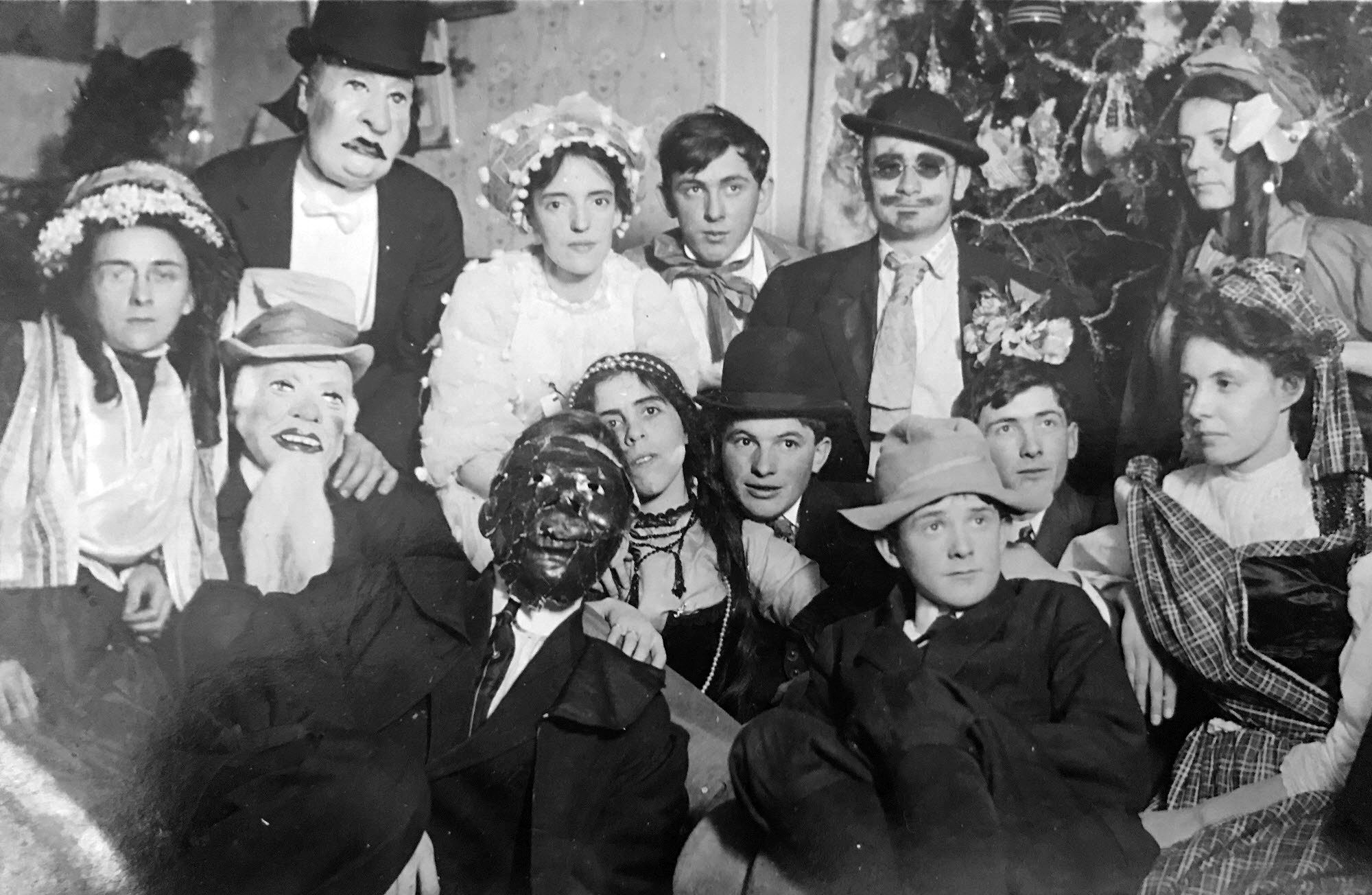
This photo captures a moment from a Halloween party over 100 years ago and is equal parts amusing and creepy. Photo by Lewis Reed
Dancing and Social Gatherings
Halloween was often celebrated with lively parties and dancing. Some society columns even listed the guests attending these events. A 1916 Halloween party described in The Evening Star painted a vibrant picture: rooms were decorated with autumn leaves, lanterns, chrysanthemums, and orange-and-black streamers. Guests played old-fashioned games, followed by gathering around a fireplace in darkness to be led through the house by a ghostly figure. The night concluded with music, dancing, and refreshments.
Refreshments included traditional pumpkin pies, molasses cookies, and even festive Halloween salads, demonstrating the importance of food to the celebrations.

The Evening Star, October 24, 1915
Mischievous Halloween Pranks
Mischief and pranks were also a notable aspect of Halloween in the early 1900s. Children, often referred to as “witches and goblins, ghosts and mischief-making youngsters,” were permitted a certain degree of revelry. However, some pranks were considered “downright bizarre” by modern standards, such as children knocking on doors and throwing flour at those who answered. This widespread mischief eventually led to a societal push by 1920 to re-frame Halloween as a holiday centered on community gatherings and festive parades, rather than unruly behavior. The shift aimed to channel the holiday’s energy into more organized and less disruptive forms of celebration.
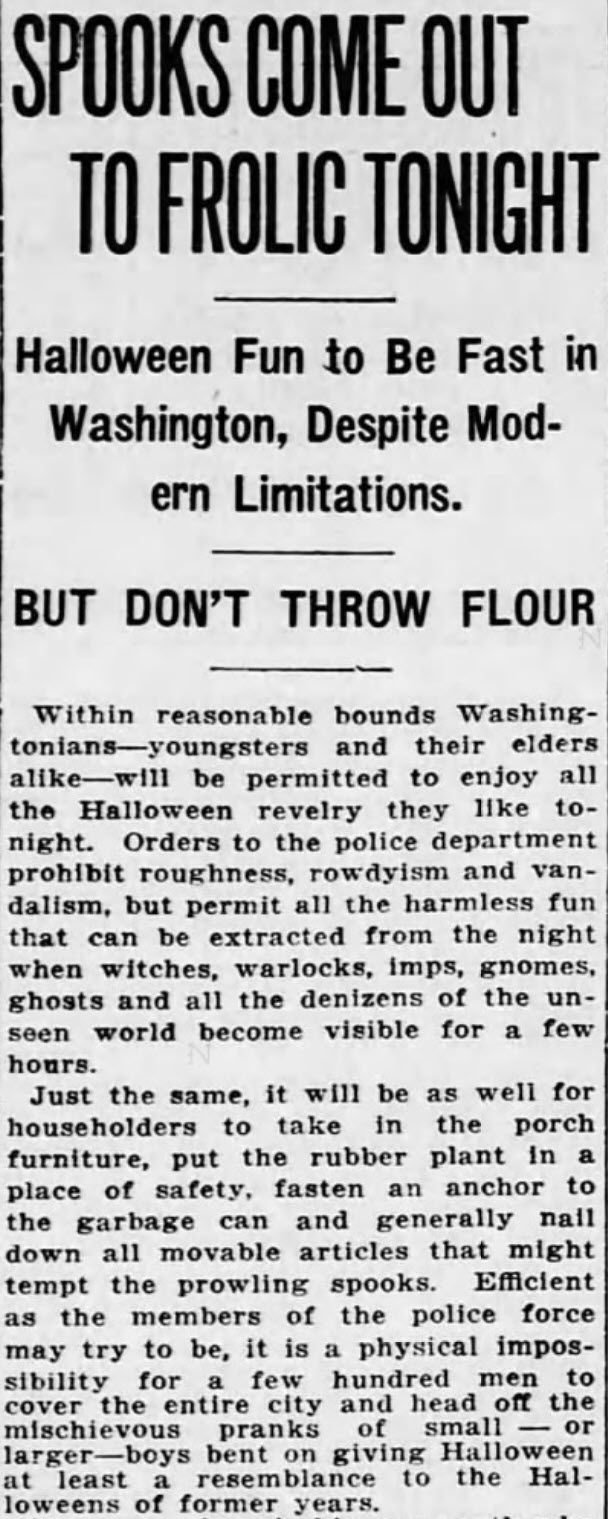
The Evening Star, October 31, 1916
The Birth of Halloween Parades
By the 1920s, pranks had become too unruly, prompting communities to steer Halloween toward organized festivities, including parades. These events fostered safer, family-friendly celebrations focused on community gathering rather than mischief.
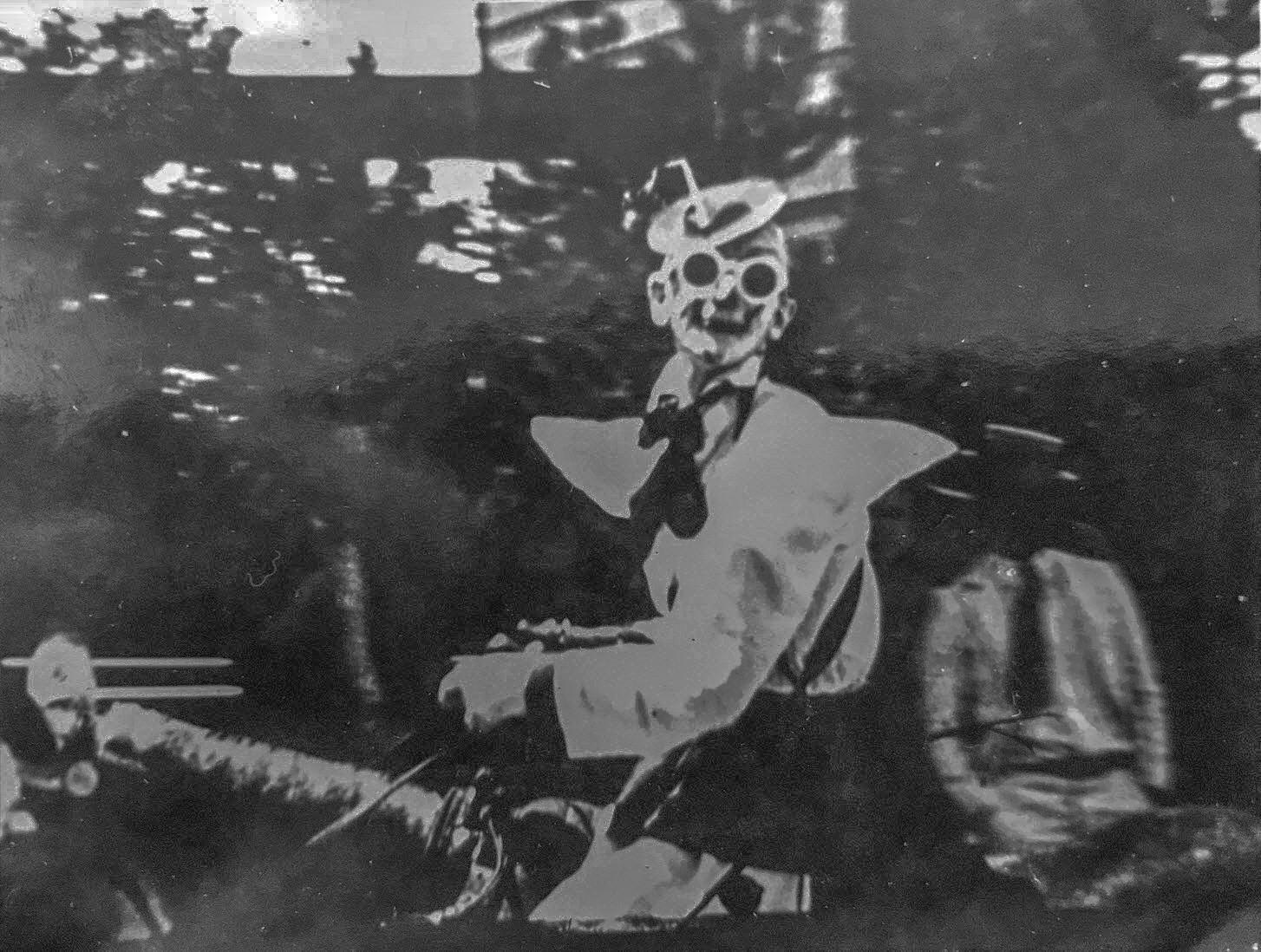
There is something undeniably creepy about this clown in sunglasses riding on a horse in a Halloween Parade. Location is unknown. Photo by Lewis Reed
The above intriguing image captures a performer dressed as a clown riding a horse during an early Halloween celebration. The costume features a striking pointed collar and a whimsical hat, but notably includes round dark sunglasses; an unusual and playful accessory for the era. This detail highlights the creativity and individuality often showcased in homemade Halloween costumes of the period, blending theatrical flair with a touch of modern whimsy.
Books

Related Resources


Copyright Notice

Reed Brothers Dodge History (1915-2012) by Jeanne Gartner is licensed under a Creative Commons Attribution-NonCommercial 3.0 Unported License.
 Reed Brothers Dodge History 1915 – 2012
Recent Comments