
Flashback: Reed Brothers Baseball Team, circa 1920
Most likely, Rockville’s first experience with baseball was during the Civil War on the fields where Richard Montgomery High School now stands. It was known as “Camp Lincoln” because of the Union encampment there, and Federal soldiers helped popularize the new game they brought from the North. After the Civil War those fields – known as the Rockville Fairgrounds – continued to be a popular place for baseball.
Reed Brothers Dodge had a company baseball team that played on those same fields. The photos below were taken by Lewis Reed on a field at the Rockville Fairgrounds circa early 1920s.
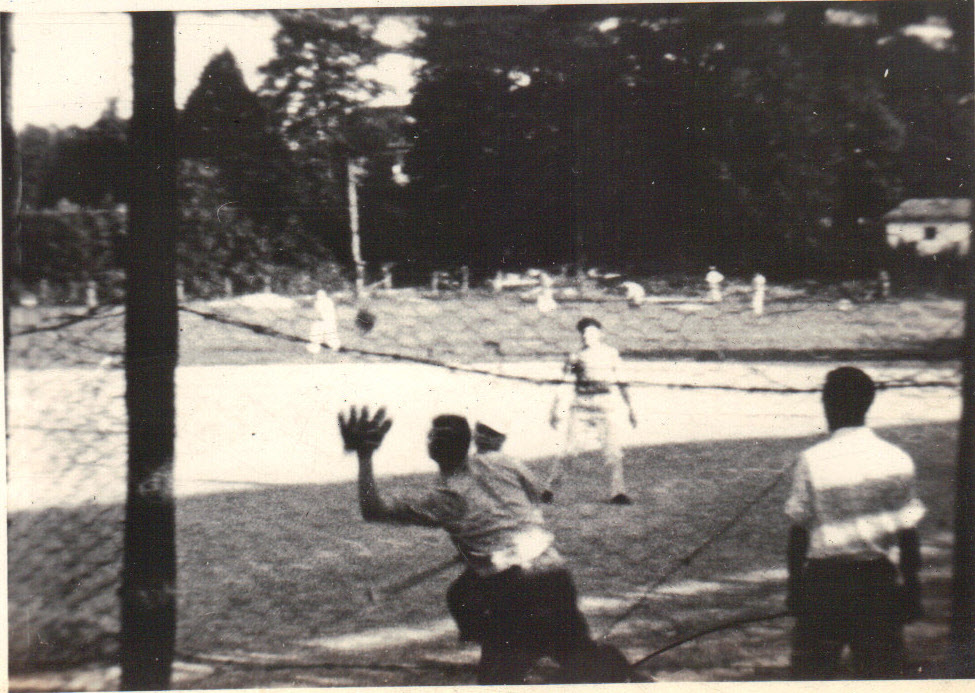
Reed Brothers Dodge Baseball Team, circa early 1920s. Photo by Lewis Reed

Reed Brothers Dodge Baseball Team, circa early 1920s. This photo s taken at Welsh Field, which is now the site of the County Office Building. The house in the background was in right field. Photo by Lewis Reed
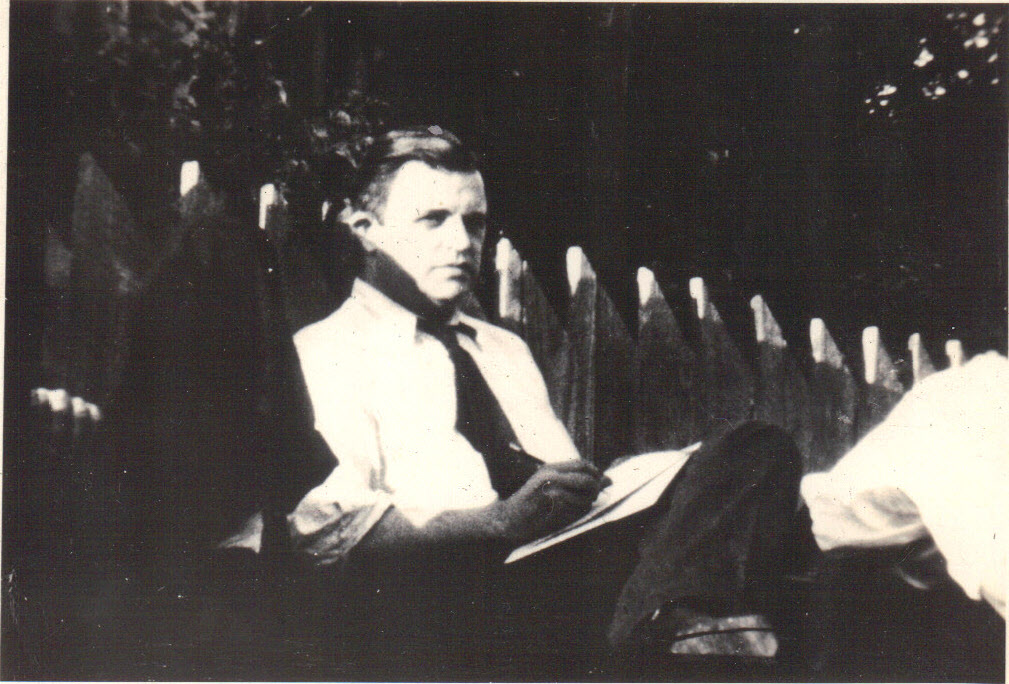
Pat Murray (Parts Dept Manager), keeping score. Photo by Lewis Reed

Reed Brothers Baseball Team on field at Rockville Fairgrounds, circa early 1920s. Photo by Lewis Reed
New Blog Feature: Rockville’s Past Through the Lens of Lewis Reed
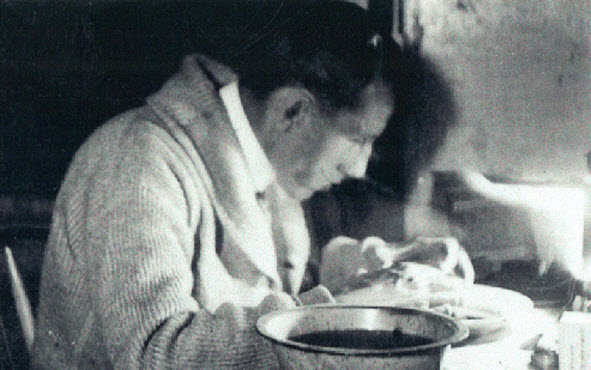
Lewis Reed (founder of Reed Brothers Dodge) was a well-known photographer in Montgomery County. Many of his photographs are now part of the Montgomery County (Maryland) Historical Society photo archives. He even developed his own photographs.
Looking back at photography from the past is a fascinating experience for me. Since I started this blog, I have had the opportunity to look through my grandfather’s extensive collection of photographs from historical locations in Maryland, Washington, DC and Virginia. Some of the photos are more than 100 years old! Lewis Reed was a well-known photographer in the county and many of his early photographs are now part of the Montgomery County Historical Society photo archives. The Jane C. Sween Library was recently given a collection of 280 glass plate negatives, showing Montgomery County in the early 20th century.
Every now and then the light bulb goes off and a new idea is born. It occurred to me that with the vast number of photographs in his albums, that this blog would be a great place to highlight some of them. With that in mind, I will be spotlighting photographs from his albums occasionally that may not pertain to Reed Brothers Dodge.
I have no formal history training, just a general interest in local history where I grew up. I will not try to be an historian; I will post a photo and supply a few sentences of context. All of them will in some way will offer a visual history of a part of Rockville’s past. I look forward to sharing them with you.
Lewis Reed Photos: Remembering Trolley Cars of Rockville’s Past
This special post is a collection of early trolley car photos that were taken by Lewis Reed in the early 20th century. I wanted to share them because they offer a visual history of a part of Rockville’s transportation past.
With photography for a hobby, one that began even before automobiles were around, Lewis Reed had amassed a large library of photographs of buildings, farm carts drawn by oxen, trolley cars, and other historic spots in Maryland, Washington, DC and Virginia. Many of his early photographs are now part of the Montgomery County Historical Society photo archives.
Below are some vintage (circa early 1900s) trolley car photographs from Lewis Reed’s collection (click on photos to enlarge):

Lewis Reed took this photo of a trolley bound for Rockville with a five-by-four box camera which produced an image on a glass plate. Note the cow catcher on the front of the trolley.
The route of the Rockville trolley car started at the Washington terminus at Wisconsin and M streets in Northwest D.C., went up through Rockville along Rockville Pike and Montgomery Avenue to Laird Street and back again. From 1900 – 1935, the trolley cars went past Reed Brothers Dodge as they traveled up Rockville Pike.

1915 – Rockville Garage first gas station – a single pump. View looking West on Main Street of Rockville showing an early Trolley car. Also in the background is the old St Mary’s Cemetery.

Late 1920′s. Note the unpaved dirt road on Rockville Pike and trolley tracks running past Reed Brothers Dodge

Trolley Wreck – Montrose Rd & Rt 355

Trolley Wreck – Montrose Rd & 355

Georgetown Trolley Car
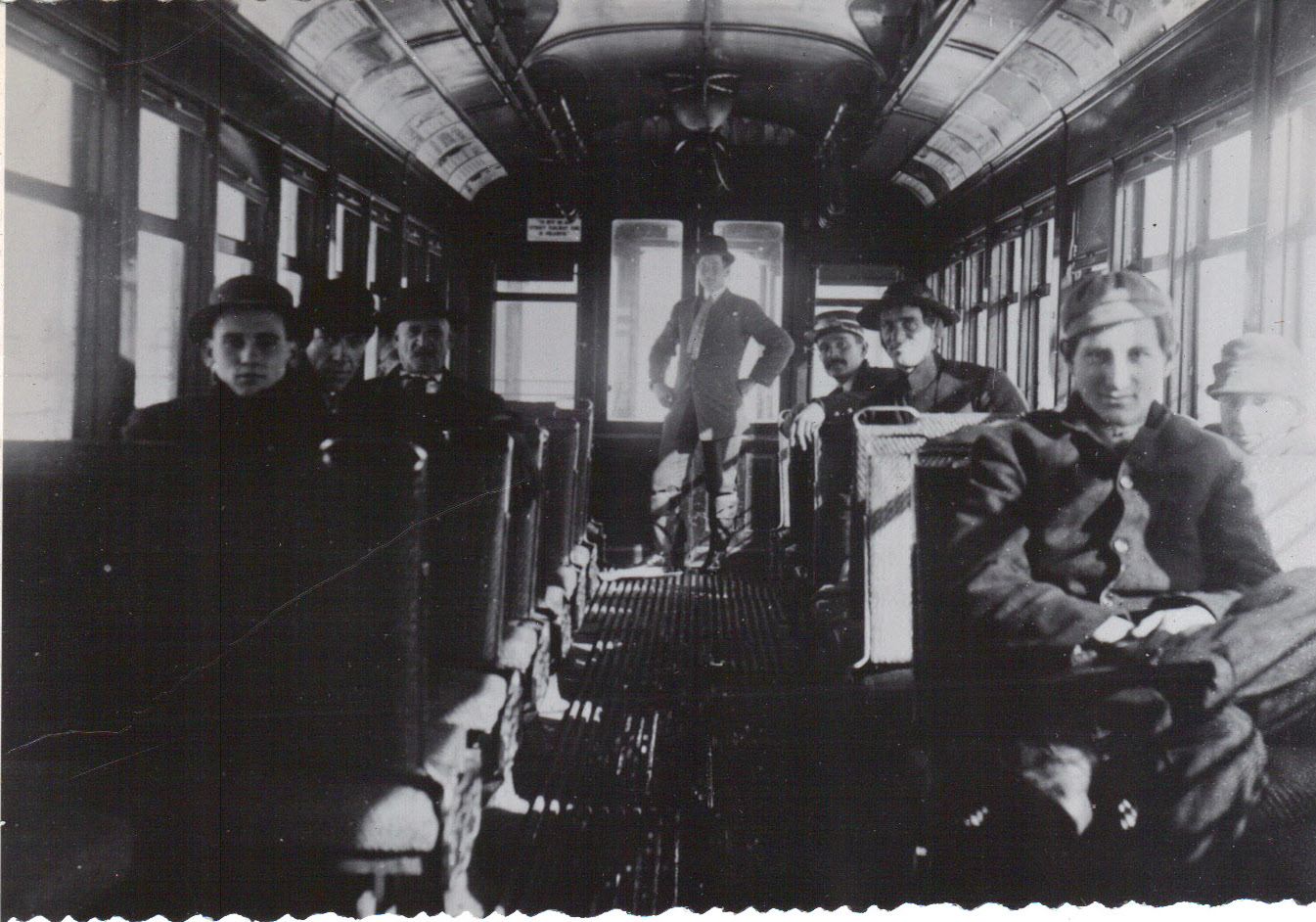
Trolley Car Interior and Passengers

Western Avenue car barn for the streetcars that served the Georgetown-Tenelytown-Bethesda-Rockville line
A car barn is the streetcar equivalent of a garage for buses. It’s a covered facility in which streetcars were stored overnight, cleaned and given light repairs before the next day’s run. The car barn for the trolleys at the time was the second Western Avenue car barn for the streetcars that served the Georgetown-Tenelytown-Bethesda-Rockville line. It was located at on west side of Wisconsin at between Harrison and Jennifer. It was demolished and later replaced by a purpose-built bus garage which is still in use by WMATA. The National Capital Trolley Museum was instrumental in helping to identify this car barn.

Map of the Rockville Trolley Line 1900-1935 – Peerless Rockville
Featured Photos: 1917 Texaco Tanker Trucks
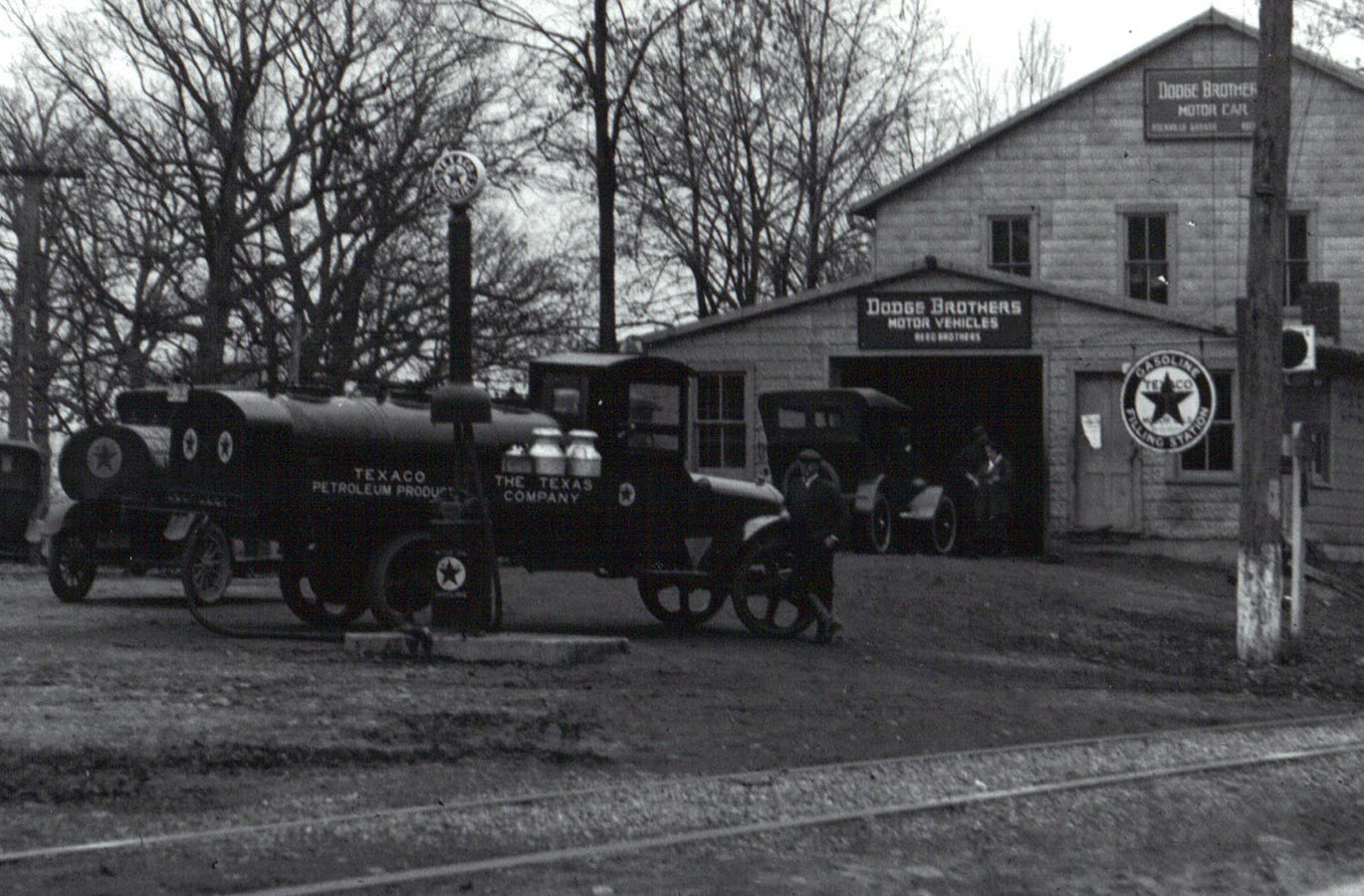
A Texaco Petroleum tanker is delivering its load of fuel to Reed Brothers Dodge in this circa 1917 photo. The delivery driver seems to be wearing his best suit on this job, something that you don’t see these days at all.
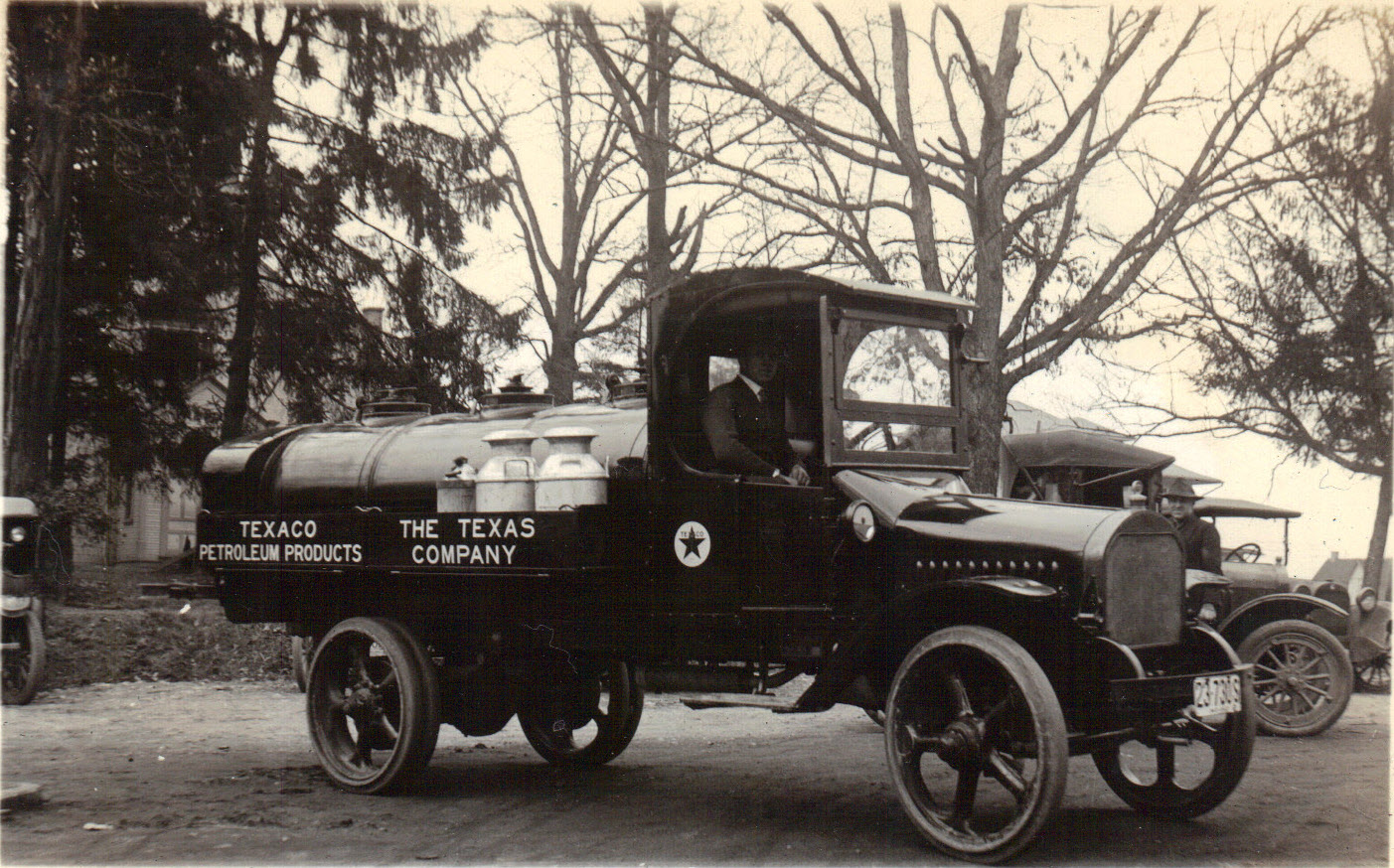
A circa 1917 Texaco Petroleum Truck sits in front of Reed Brothers Dodge after delivering its load of fuel.
The most essential vehicle of the early 20th century (and today) had to have been the tanker truck. In the pioneering period of tanker trucks, 1910 to 1920, The Texas Company was among many that were fitted with tanks to carry refined products such as gasoline, kerosene and fuel oil.
All that remains of some models are vintage photographs in an archive somewhere. A few restored tank trucks are in transportation museums.
Wright Brothers’ Historic Flying Demonstration at Fort Myers Through the Lens of Lewis Reed
This special post doesn’t have anything to do with Reed Brothers Dodge, but it does have a lot to do with it’s founder, Lewis Reed.
On this day in September 17,1908, the first military airplane in the world, built by the Wright brothers for the Army Signal Corps, made its first flight at Fort Myer, Virginia. Less than a thousand people witnessed the first flight at Fort Myer, because the general public was still doubtful that powered flight had been achieved. But Lewis Reed was there… and to commemorate that milestone, I have posted five original snippets of history that Lewis Reed captured through the lens of his camera that day.
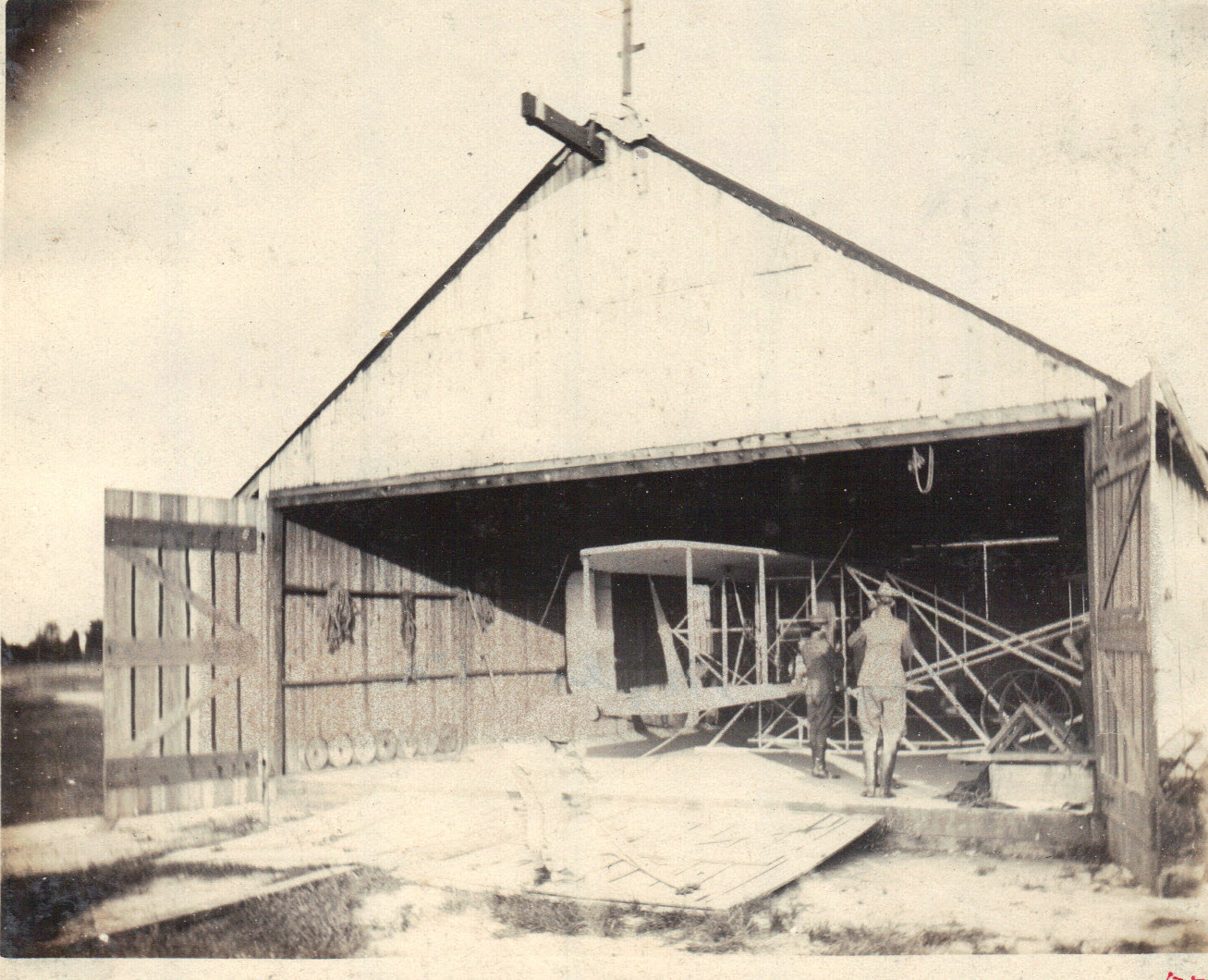
Wright Brothers airplane in its hangar at Fort Myer, Virginia. Photo by Lewis Reed
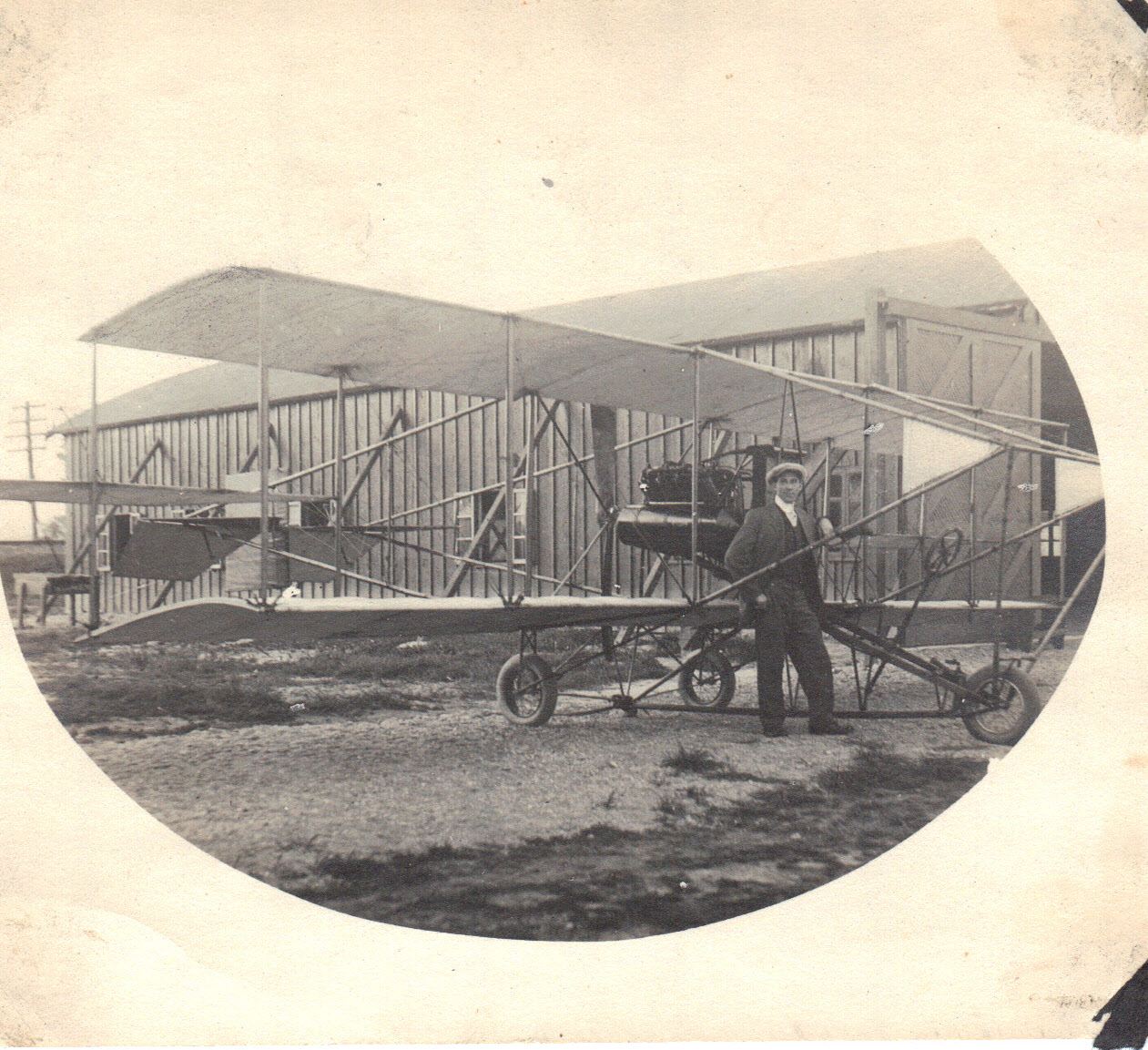
Curtiss Model D with tricycle undercarriage. Photo by Lewis Reed

Curtiss Model D. Photo by Lewis Reed
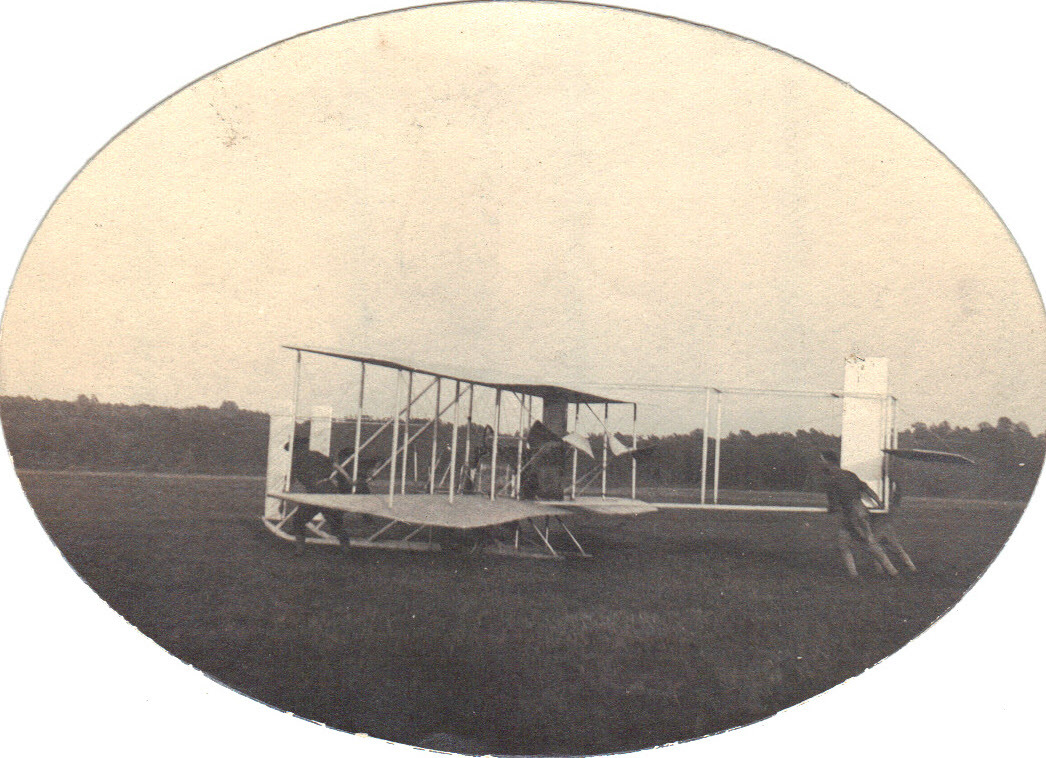
Wright Model B with skids. Photo by Lewis Reed

Another early aircraft from 1909 was the Bleriot XI monoplane. Photo by Lewis Reed
Books

Related Resources


Copyright Notice

Reed Brothers Dodge History (1915-2012) by Jeanne Gartner is licensed under a Creative Commons Attribution-NonCommercial 3.0 Unported License.
 Reed Brothers Dodge History 1915 – 2012
Recent Comments