
Former Employee Spotlight for Black History Month: Vincent Ricks
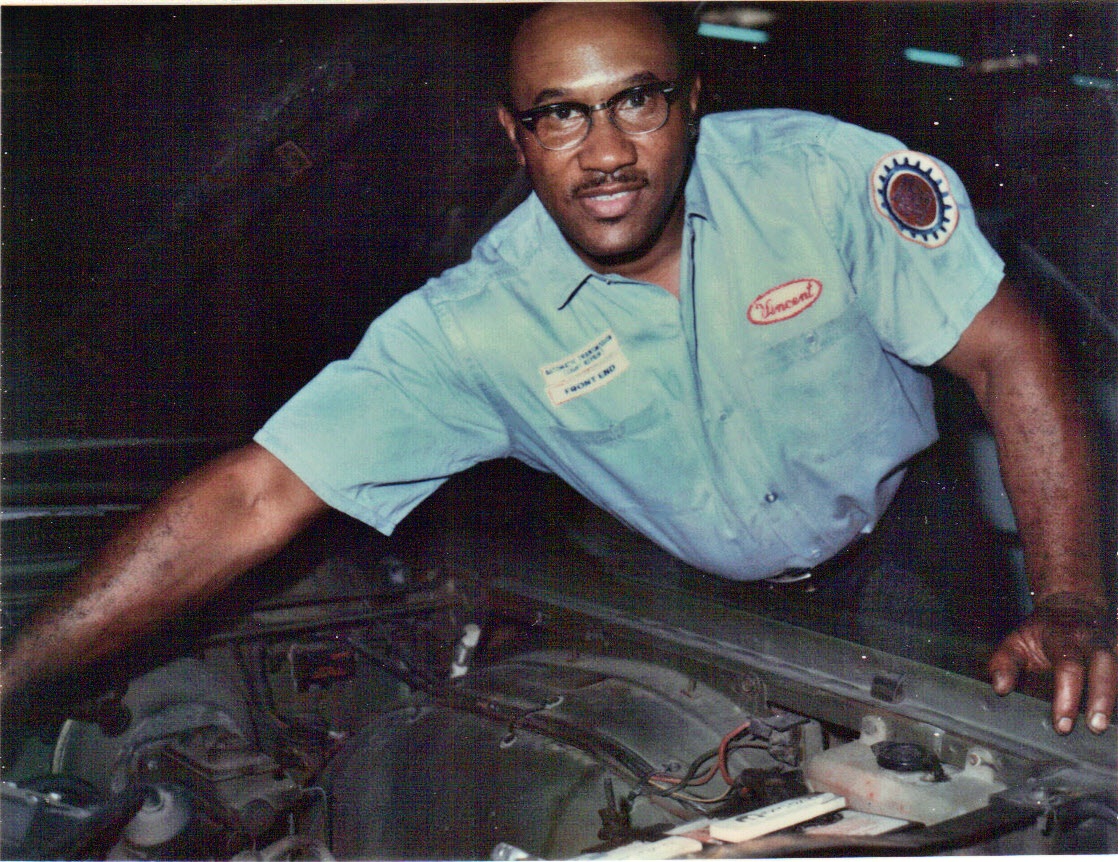
Vincent M. Ricks, Sr. – Transmission Specialist, ca. early 1970s
For more than a century, Reed Brothers Dodge has been part of the fabric of Montgomery County. Its story is not only about cars, buildings, or advertisements… it is about people. As Black History Month continues, I would like to pause and recognize one of those people whose skill, dedication, and hard work helped shape Reed Brothers Dodge behind the scenes.
One such employee was Vincent Ricks, who worked at Reed Brothers Dodge in the 1970s as a Transmission Specialist and Auto Mechanic. While his work often went unseen by customers, Vince played a critical role in keeping the dealership running smoothly.
Vince was Master Certified in automatic transmissions, a distinction that reflected both his technical skill and the trust placed in him. Day after day, his work ensured that vehicles left the shop safe, reliable, and ready for the road; an essential part of what made Reed Brothers Dodge a trusted name in the community.
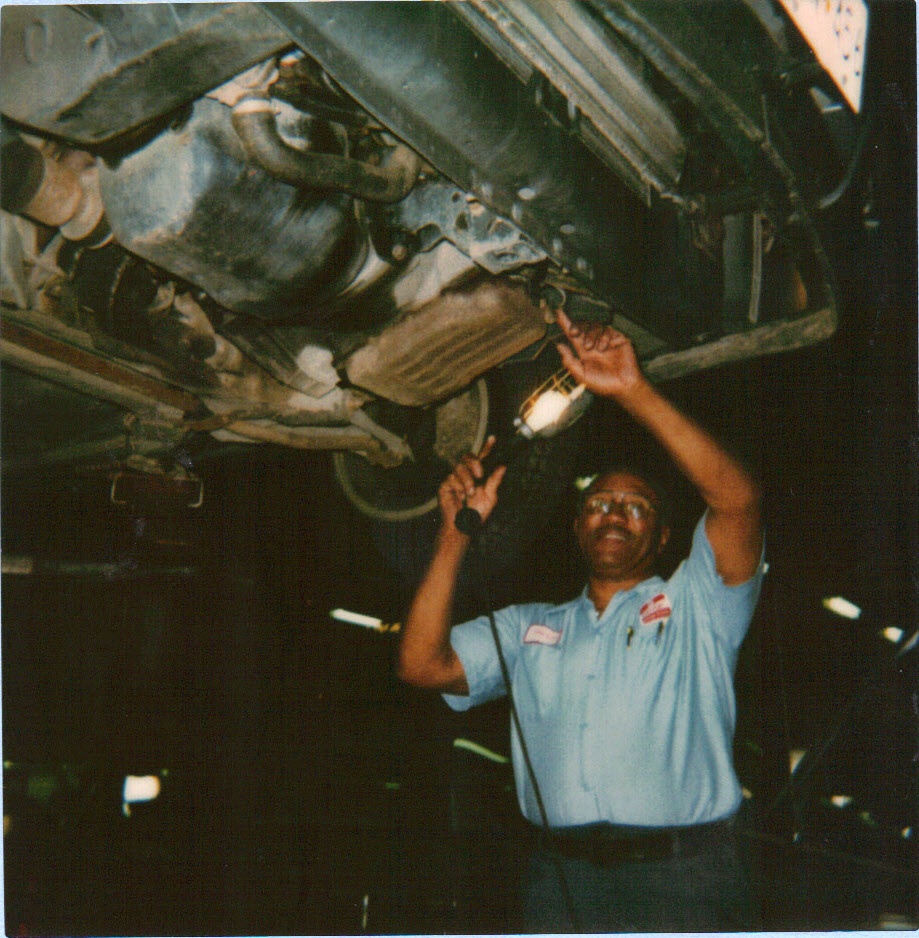
Vince Ricks beneath a vehicle on the shop lift, performing transmission work, an essential part of the service department at Reed Brothers Dodge, 1970s.
Those who knew him, remember Vince as calm and soft-spoken, with a subtle, friendly wit. But behind that calm presence was someone the dealership could always count on. Even after retiring, Vince never really left Reed Brothers Dodge. On weekends, he continued working for Reed Brothers part time, and often made trips to car auctions with the owner to help bring pre-owned inventory back for the lot. Vince would drive vehicles back to the dealership, sometimes making more than one run in a single trip. It was just another example of how dependable he was, and how much the dealership still relied on him long after his full-time days in the shop were over. Vince wasn’t just a former employee; he remained a valued part of the Reed Brothers Dodge family.
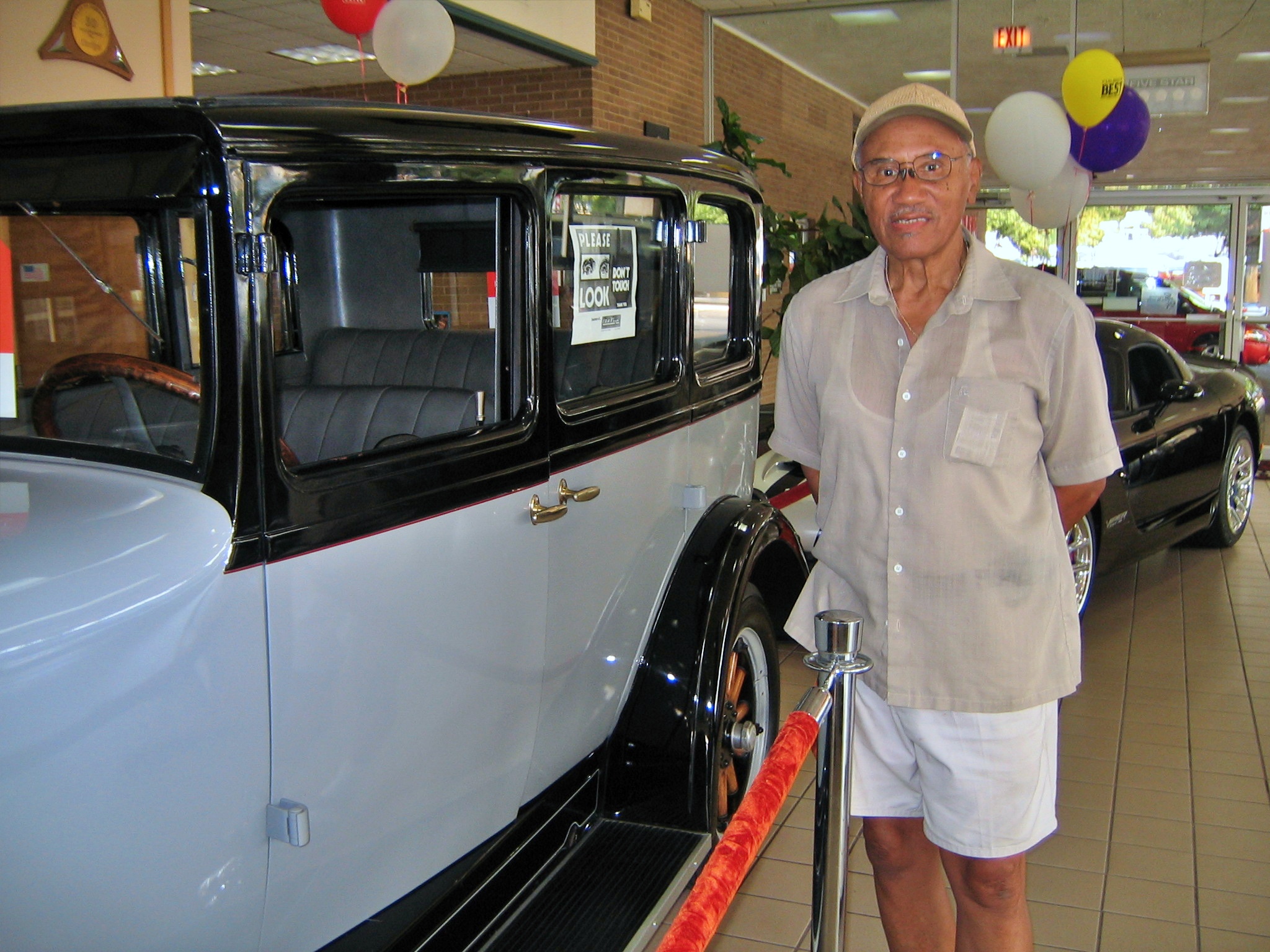
Vincent Ricks visiting the showroom after retirement, still part of the Reed Brothers Dodge family.
This Black History Month, we honor Vincent Ricks, whose expertise, dedication, and steady presence behind the scenes were a vital part of keeping Reed Brothers Dodge running smoothly for decades.
“The Boardwalk” Along the Waterfront at Chesapeake Beach, Maryland, Early 1900s
In the early 1900s, the Chesapeake Beach Railway Company offered Washingtonians more than transportation, it promised escape. At the rail line’s eastern terminus, a bustling boardwalk emerged along the Chesapeake Bay, carefully designed to attract crowds with hotels, amusements, and sweeping waterfront views. This was a new kind of destination, where leisure was planned, marketed, and delivered by rail.
Lewis Reed recognized the historical significance of this scene and turned his camera toward it. His photographs of the Chesapeake Beach boardwalk capture the rhythms of a day spent seaside: visitors strolling between attractions, pausing to take in the view, or gathering near the latest amusements. Among the highlights of his images is the Griffith Patent Scenic Railway, an early roller coaster whose curves and speed symbolized the era’s fascination with innovation and thrill. (click on thumbnails to view gallery)


Reed’s photographs preserve more than a popular resort, they document a moment when railroads shaped recreation and when leisure itself became part of the modern experience. Through his lens, the Chesapeake Beach boardwalk is frozen in time, offering a vivid glimpse into how Americans relaxed, traveled, and found excitement at the dawn of the 20th century.
Former Employee Spotlight: Meet Phil Vetter
At Reed Brothers Dodge, our legacy is built not just on the cars we sell or the buildings we’ve called home, but on the dedicated people who have shaped our history for over a century. Today, I am proud to introduce you to one of the dealership’s most respected and long-serving employees: Phil Vetter.
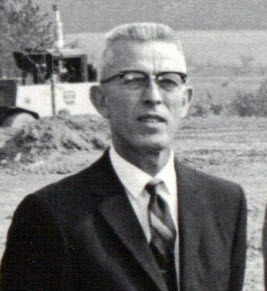
Phil Vetter was an integral part of the Service Department at Reed Brothers Dodge for more than 3 decades, serving well into the late 1970s.
Phil Vetter’s journey with Reed Brothers Dodge began in the early 20th century, a time when Rockville, Maryland was still a small town and the automobile industry was just finding its wheels. From his earliest days, Phil stood out for his unwavering commitment to customer service. By 1951, he had already become an integral part of our management team, working alongside founders Edgar and Lewis Reed as well as other key figures like Lester Wilson and Leo C. Murray.
Phil’s expertise quickly earned him the role of Service Manager, where he oversaw a busy department of factory-trained mechanics. One of Phil’s most memorable moments came in 1972 at the Washington Auto Show. There, he represented Reed Brothers behind the wheel of a custom-equipped Dodge Charger “Topper Special,” showcasing not only Chrysler’s latest technology but also our dealership’s commitment to staying ahead of the curve. Whether managing day-to-day operations or representing the dealership at high-profile events, Phil was always a trusted ambassador for Reed Brothers’ values.
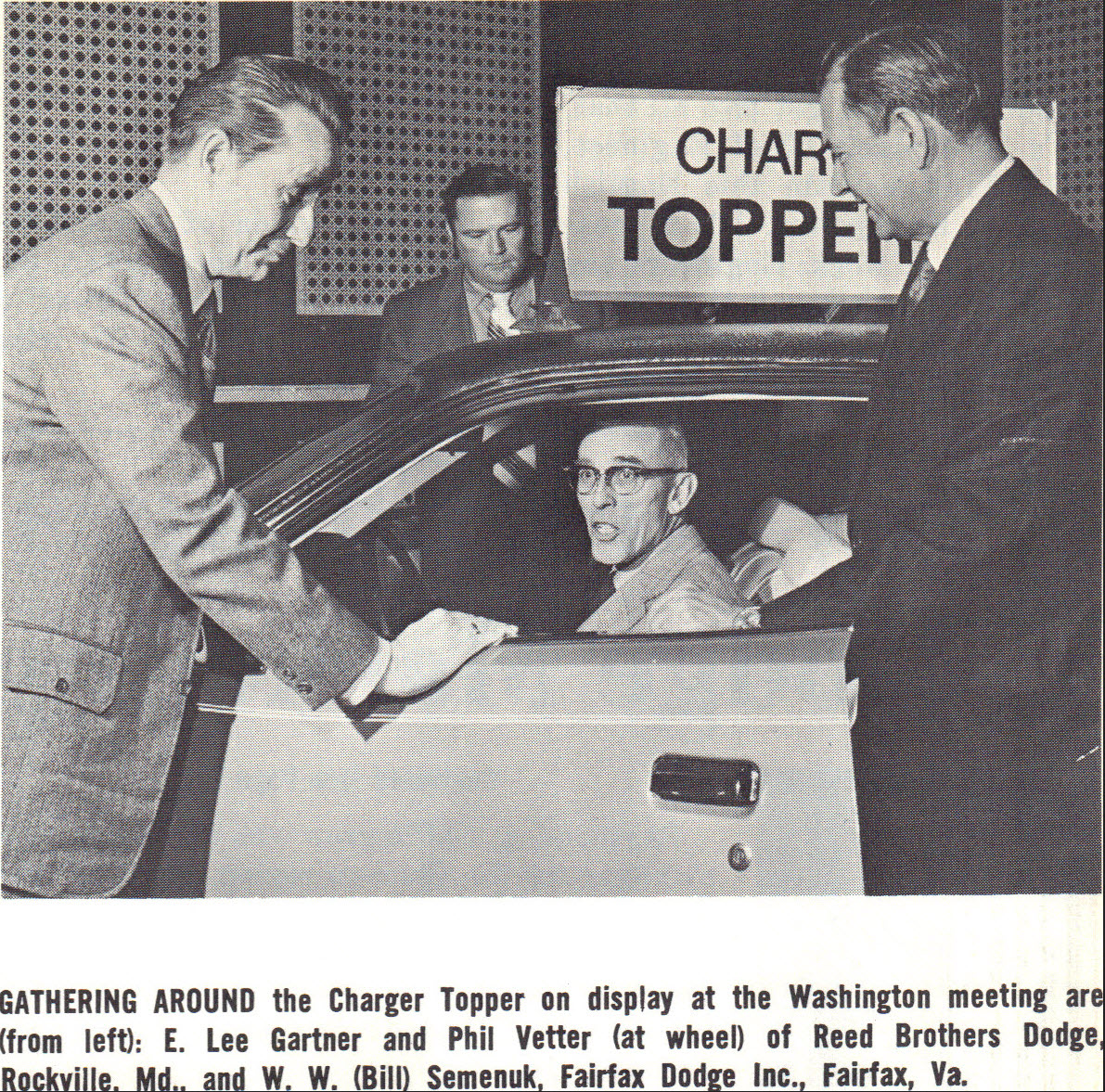
Phil’s career spanned some of the most transformative years in both local history and automotive culture. He witnessed, and helped navigate, the dealership’s move from its original location at the triangle through several major remodels, and finally into it new location at 15955 Frederick Road in 1970. Throughout these changes, Phil ensured that our service department remained at the cutting edge while never losing sight of what mattered most: people.
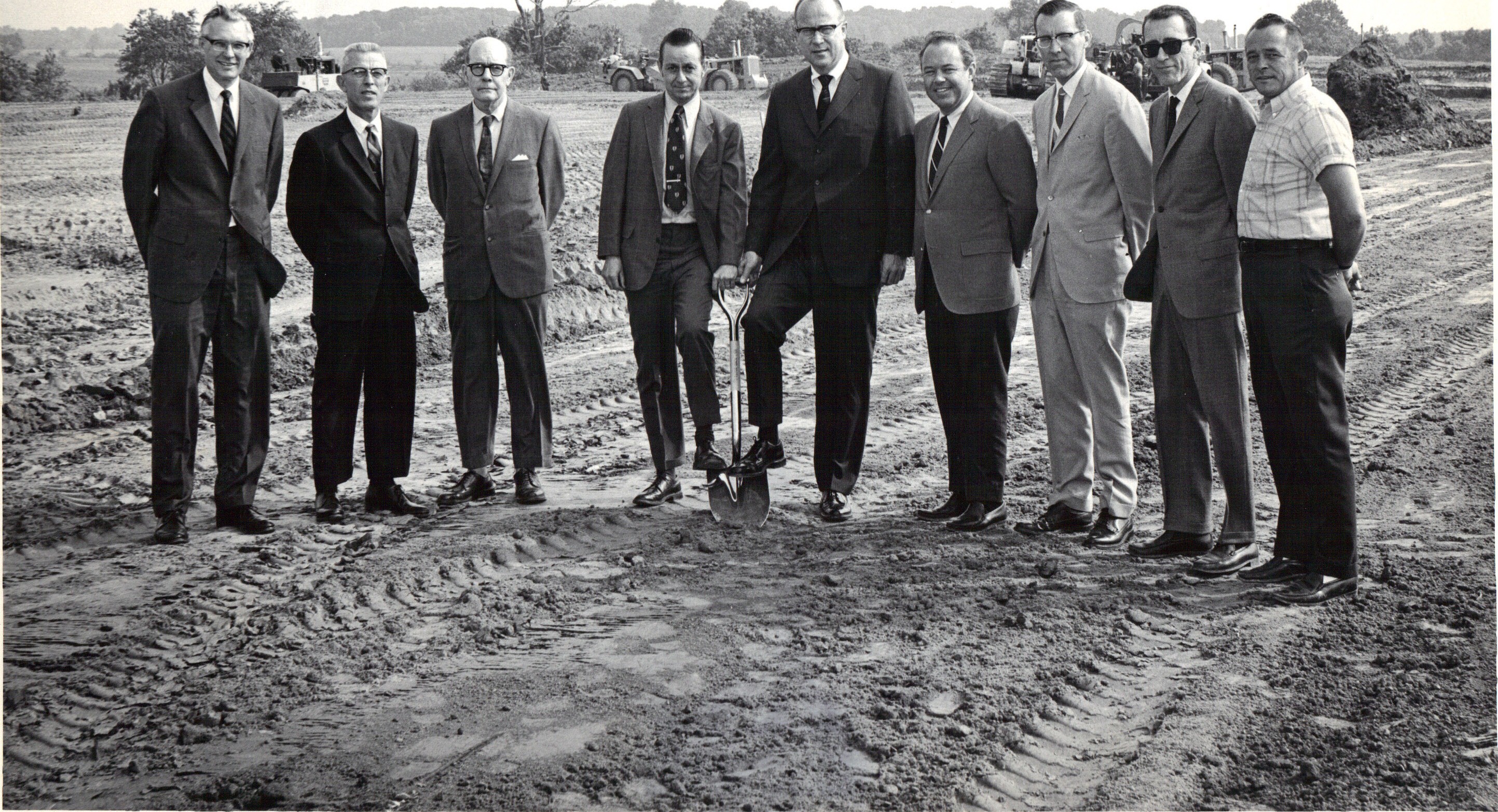
Breaking Ground for the New Location, 1970. From left: Edwin Becraft, Phil Vetter, George Ward, Lee Gartner, President (others unknown).
Phil Vetter wasn’t just an employee, he was family. We are proud to honor his legacy, not only as an exceptional Service Manager, but as a lasting pillar of the Reed Brothers family and the community it served.
More Than Just Motors: The Enduring Link Between Reed Brothers Dodge and the MCPD
When you look back at the history of Montgomery County, Maryland, certain names are synonymous with the growth of the region. Reed Brothers Dodge is certainly one of them, but while we are often remembered as the first Dodge dealership in the area, our history is also deeply intertwined with the very foundation of the Montgomery County Police Department (MCPD). This connection wasn’t just about the cars and motorcycles; it was about the people who kept them on the road.

This is the first known photograph of the entire Montgomery County Police Force Motor Unit. Pictured left to right: Earl Burdine, Lawrence Clagett, Guy Jones, Chief Charles Cooley, Leroy Rodgers, and Oscar Gaither. Photo taken by Lewis Reed on July 4, 1922.
The relationship between Lewis Reed and the MCPD began on the department’s very first day of duty: July 4, 1922. On that historic morning, Chief Charles Cooley and his five original officers gathered at Reed Brothers Dodge to have their first official group photo taken. At the time, the department was a “mounted” unit on Harley-Davidson motorcycles. Because modern, branded dealerships didn’t exist yet, Reed Brothers served as a vital hub for sales and service. Lewis Reed and his brother Edgar were motorcycle enthusiasts who had founded Rockville’s Park Avenue Motorcycle Club a decade earlier in 1912, and their expertise made the dealership the natural home for the county’s early fleet. In those early days, each officer was allotted $300 a year for motorcycle upkeep, and our shop was where much of that vital work happened.
As the decades passed and the MCPD grew into a modern force, the need for expert maintenance grew with it. The department eventually established its own internal garage, but they didn’t have to look far to find the best talent to staff it. The “Reed Brothers standard” was so well-regarded that the police garage specifically recruited veteran mechanics from the dealership. By the late 1970s, two of our most skilled technicians, Ben McGowan and John Hall, transitioned from the service bays at Reed Brothers Dodge to work for the Montgomery County Police garage. Ben, an electrical and AC specialist, and John, a Maryland State Inspector and ASE-certified mechanic, brought a wealth of “under-the-hood” knowledge to the county.


This pipeline of talent from the dealership to the public sector highlights a beautiful piece of Rockville history. It shows that Reed Brothers Dodge was more than just a business; it was a training ground for the craftsmen who kept the county moving. When we see photos of those early 1922 officers on their Harleys or hear stories of the police fleet in the decades that followed, we aren’t just looking at machines. We are looking at the legacy of men like Lewis Reed, Ben McGowan, and John Hall– the hands that built, serviced, and supported the safety of our community for over a century.
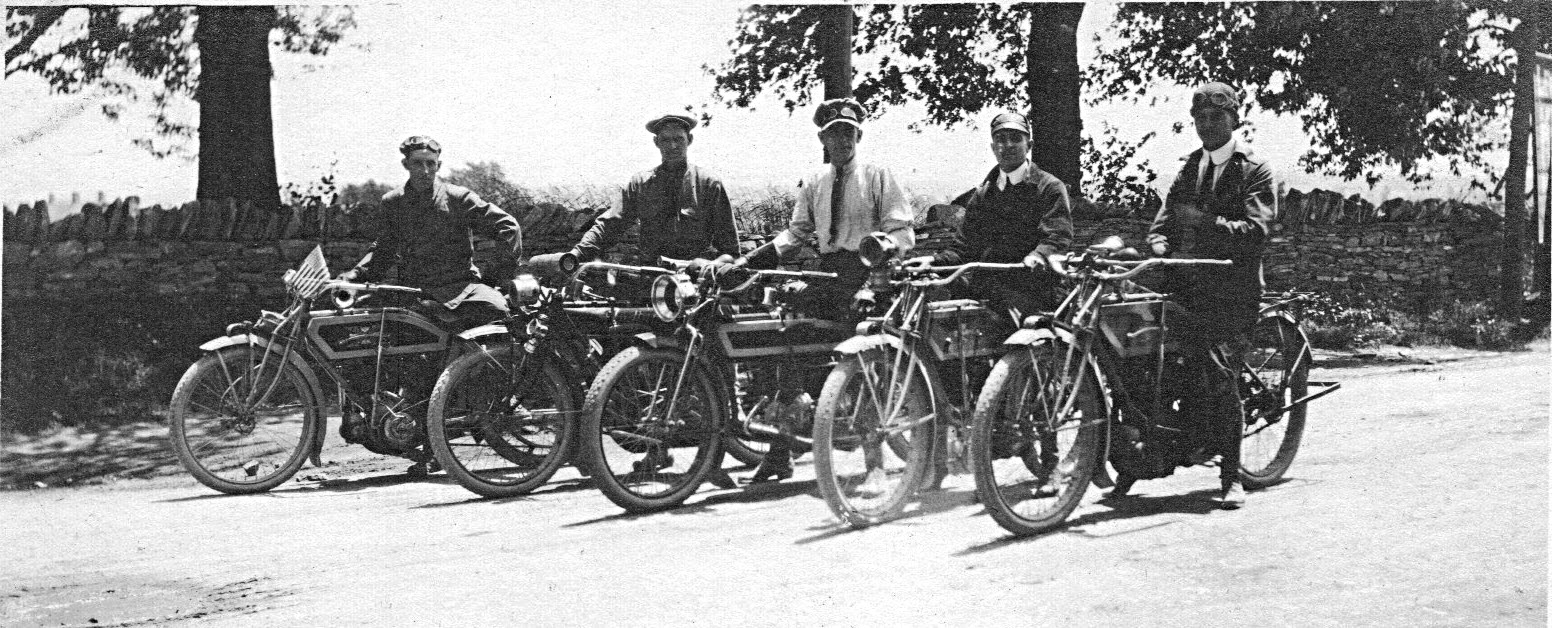
First motorcycle club in Rockville, Maryland. One Harley Davidson, one Indian, and Three Excelsior motorcycles on Park Avenue, 1912. Lewis Reed, far left.
As the curator of these archives and the granddaughter of Lewis Reed, I feel a great sense of pride in preserving these connections. Seeing the faces of men like Ben McGowan and John Hall reminds me that our family business was built on the shoulders of dedicated craftsmen who served their neighbors and their county. It is a legacy of service that I am honored to document and share with you today.
Then and Now: Hotel Cape May, 1919
People have been visiting Cape May, “the nation’s oldest seashore resort,” for longer than America has been a country. That makes Cape May the perfect place to look back on over 100 years ago and from today — then and now.
A bit of Hotel Cape May history: The Christian Admiral, formerly Admiral Hotel and Hotel Cape May, was a luxury beachfront hotel located in Cape May, New Jersey. Opened in 1908, as the Hotel Cape May, the ornate hotel was abandoned five years later due to bankruptcy. It was then sold at a Sheriff’s sale. The hotel was leased by the War Department as a hospital from 1918-1919 during WWI. Afterwards, it was again abandoned. In 1932, the Admiral Hotel company purchased it and renamed it the Admiral Hotel. They too went bankrupt in 1940. The military returned for WWII from 1941 to 1945 and afterwards it was once more sold at Sheriff’s sale. It opened and closed multiple times before being abandoned again in the 1950s. Reverend McIntire saved it from demolition in 1963, and operated it until his organization too, went bankrupt. The Christian Admiral never made a profit for any of its owners and was the cause of six bankruptcies. Nonetheless, it was a gorgeous hotel and one of the most recognizable and beloved buildings in Cape May. The people who liquidated McIntire’s organization shopped the hotel around, but it was deemed too far gone to save. Engineer estimates were $20 million and above, just to make it structurally sound and from $60-$80 million to restore it. The hotel was razed in 1996.
Hotel Cape May (THEN): The Christian Admiral Hotel, originally known as the Hotel Cape May, was erected in the Beaux-Arts style between 1905 and 1908. When opened on April 11, 1908, it was the world’s largest hotel. Completed behind schedule and over budget, Hotel Cape May was part of a development project intended to bring wealthy visitors to the city and rival East Coast resorts such as Newport, Rhode Island. During its existence it would undergo five bankruptcies and ownership changes.
Edgar was a partner with his brother Lewis Reed, in Reed Brothers Dodge. During WWI, Edgar served as a Sergeant in the U.S. Army Medical Corps from February 1918 to August 1919 and had been posted to GENERAL HOSPITAL NO. 11 in CAPE MAY, NEW JERSEY. The spirit of patriotic service which swept the country prompted many persons to offer their properties to the War Department for hospital purposes. These offers included buildings of every conceivable kind, such as department stores, private establishments, hospitals, and properties in large cities. It was found that many of these could be obtained and converted into hospitals much more expeditiously than barrack hospitals could be constructed, and at less cost.
The Surgeon General recommended that the War Department authorize the leasing of the Hotel Cape May for use as a general hospital on December 18, 1917. The Hotel Cape May was located on the Ocean Drive, at the eastern end of the city, and within 100 feet of the beach of the Atlantic Ocean. Opened first as GENERAL HOSPITAL NO. 16, the designation was changed to GENERAL HOSPITAL NO. 11, March 14, 1918. The enlisted personnel were quartered in tents which were located to the rear of the building.
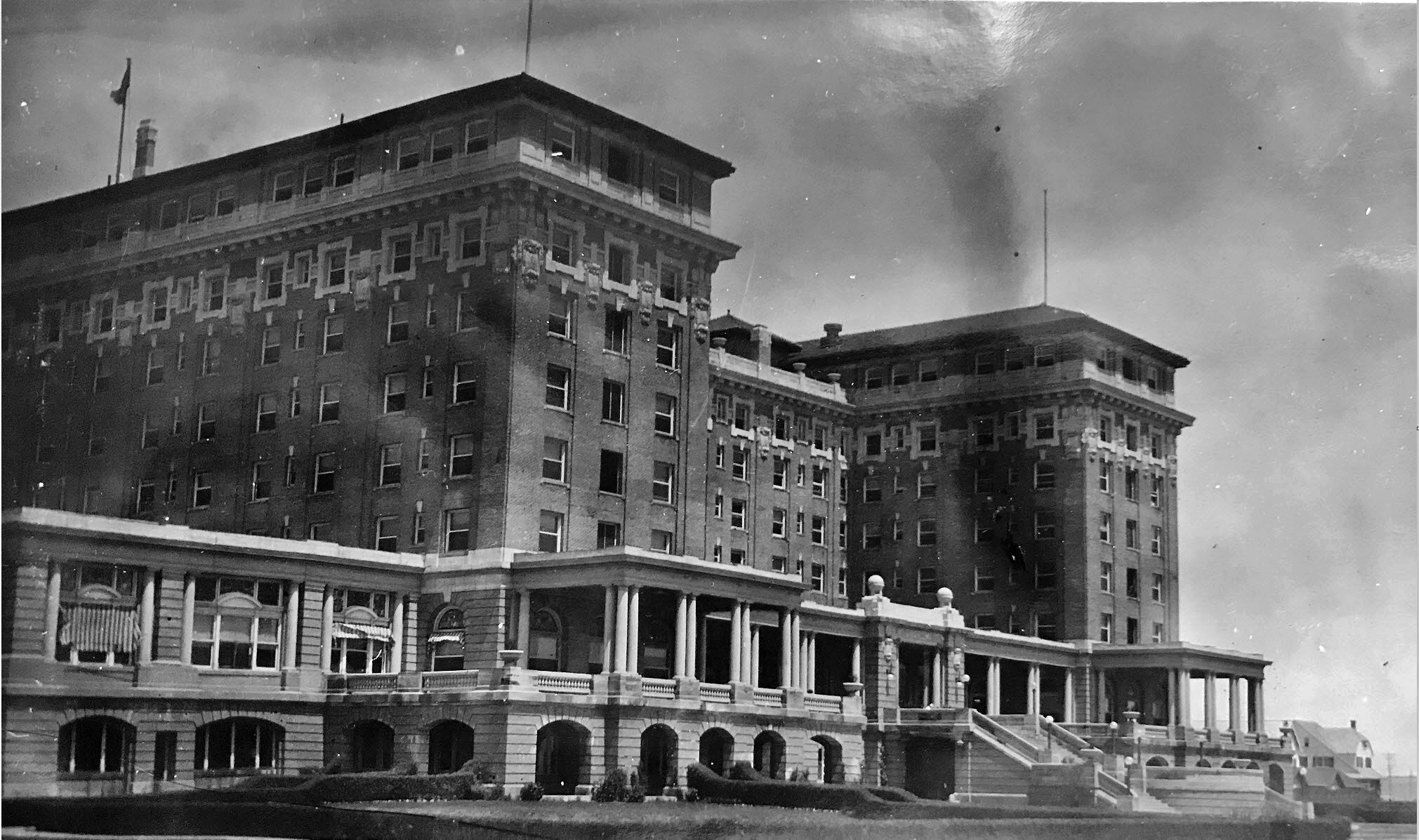
Hotel Cape May as it looked in 1919. Photo by Lewis Reed.
The Christian Admiral Hotel (NOW): In 1991, the hotel was closed by Cape May City officials. The hotel was demolished in 1996 and the site was reused for a development of single family homes. The demolition of the hotel placed the city’s National Historic Landmark status at risk.
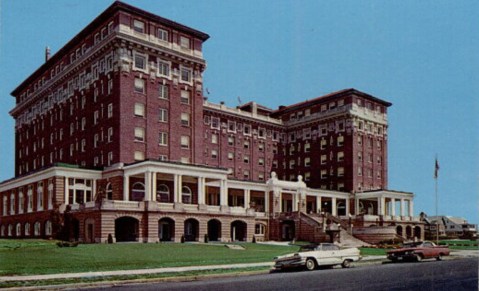
The Christian Admiral Hotel, late 1970s. Closed by Cape May City Officials, 1991 for want of tens of millions of dollars to bring up to modern codes. Destroyed: Feb, 1996.
Books

Related Resources


Copyright Notice

Reed Brothers Dodge History (1915-2012) by Jeanne Gartner is licensed under a Creative Commons Attribution-NonCommercial 3.0 Unported License.
 Reed Brothers Dodge History 1915 – 2012
Recent Comments