
Dodge Made a Car Just for Women
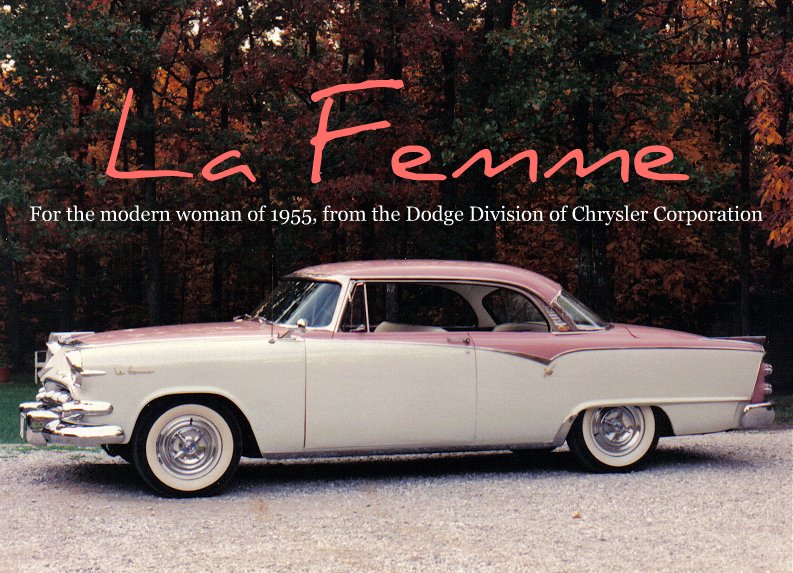 The Dodge La Femme stemmed from Chrysler’s marketing department’s observation that more and more women were taking an interest in automobiles during the 1950s, and that women’s opinions on which color car to buy was becoming part of the decision making process for couples buying an automobile. The La Femme was an attempt to gain a foothold in the women’s automobile market.
Dodge introduced the new La Femme option package in 1955: For $143, you could have the Custom Royal Lancer feminized, with rose paint, gold script, and a nauseating shade of Pepto-pink interior complete with rosebuds.
The accessories which came with the car as standard equipment were where things started getting weird. The car came with a calfskin purse in the same shade of pink as the car’s interior. There was a special compartment behind the passenger seat for this purse, where it could sit with the buckle facing outward. This buckle was large enough for owners to have their name engraved on them, and this is what they were encouraged to do. Inside the purse there was a makeup compact filled with pale pink powder, a lipstick holder, a gold-toned cigarette lighter and case, an imitation tortoiseshell comb, a cigarette lighter, a vanity mirror and silk change purse.
These accessories were all finished in gold-color metal and (you guessed it) pink. For those who wanted them, Dodge also offered an umbrella, boots, a cape (seriously?) and a hat, all matching the seat upholstery.
It went nowhere. La Femme became La Flop. Women stayed away in droves and men weren’t about to be seen driving around in the darling Rosebud. The Dodge La Femme was sold for two years in the U.S. — 1955 and 1956
(Line from a long-lost episode of “Leave it To Beaver”)
“Gee Wally…. all the guys are callin’ me a sissy…. a pink and white car and it says La Femme on the side …. I just can’t be driven to school in mom’s new car anymore …. Yeah, Beave …. I know what ya mean …. that’s why I ride with Eddie …. and besides, mom’s not all that thrilled with the car either!”
Info Source: Dodge La Femme Wikipedia
1946 Dodge Deluxe Fluid Drive
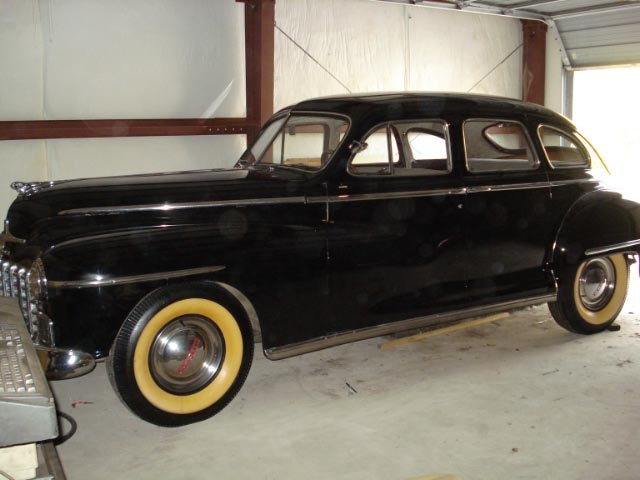
This 1946 Dodge Deluxe 4-Door Sedan Fluid Drive was a vehicle from Reed Brothers private collection of automobiles and was one of the first cars my father (Lee Gartner) sold as a salesman at Reed Brothers. When the original owner (Lewis Bell) could no longer drive, my dad purchased it back from him. As the story goes, Mr Bell nicknamed the old car “Charity” because it was the only car he ever drove and it always got him where he wanted to go.
Being married to Lewis Reed’s daughter and next President of the dealership had its perks. My dad could have had his pick of any new car on the lot to drive as his personal company car, but what did he choose to drive around most of the time? You guessed it … “Charity”.
Depending on your age, there are any number of ways for a parent to embarrass their children, and one of the easiest ways was via the kind of vehicle they drove. When I was a kid, nothing screamed “uncool” louder than this old car. I remember when I was a teenager, my dad drove me to school one day in “Charity”. The good thing was that this car was so big that I had plenty of room to duck down below eye level and not be seen by the outside world.
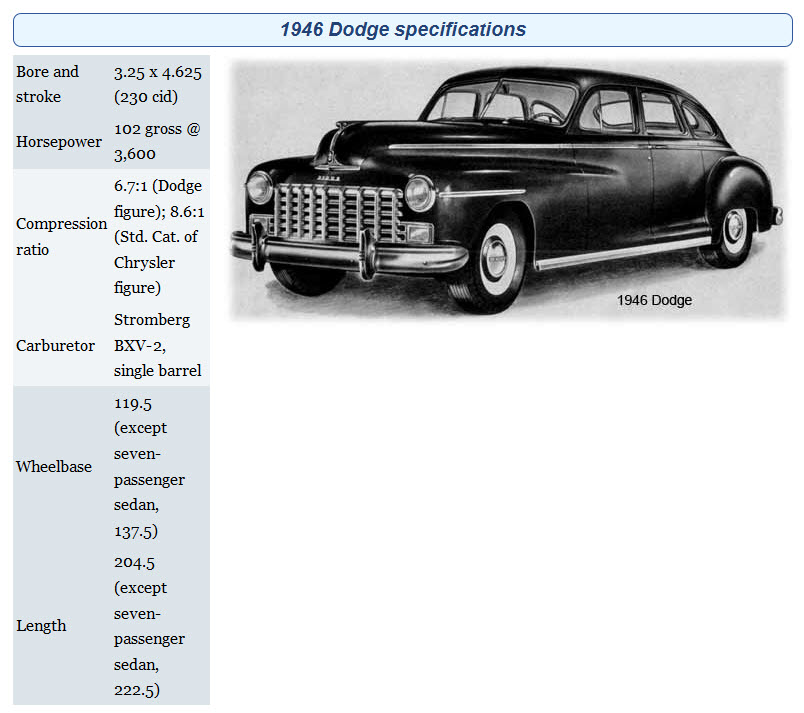
The first car after World War II was the 1946 Dodge, which sold for about $800, but with many options (Fluid Drive, radio, heater, clock, cigar lighter, antenna, sun visor, turn signals and seat covers), it probably sold for a couple hundred dollars more.
The 1946 Dodge featured numerous improvements over pre-war cars; the big news, though, was the new “All Fluid Drive”. The fluid drive transmission could be driven like an automatic, but it was simpler, less expensive, more efficient and more reliable than the full automatics available in the late 1940s. The Dodge engine was a 3.8 liter flathead 6 with a manual transmission or optional fluid drive. A new starter was operated by a button on the dash.
Photo captions are some notes from the brochures.
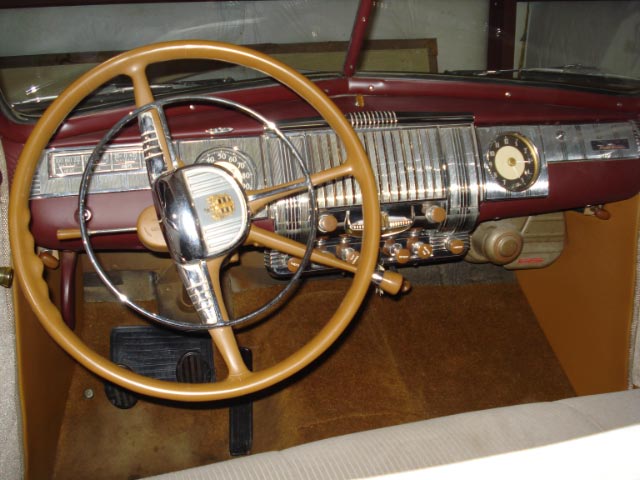
The steering wheel got a new horn-blowing ring and center ornament and new plastic control buttons were centrally grouped. The optional turn signals were put in their current position to the left of the steering column. Other options included a clock, radio, heater, and backup lights.
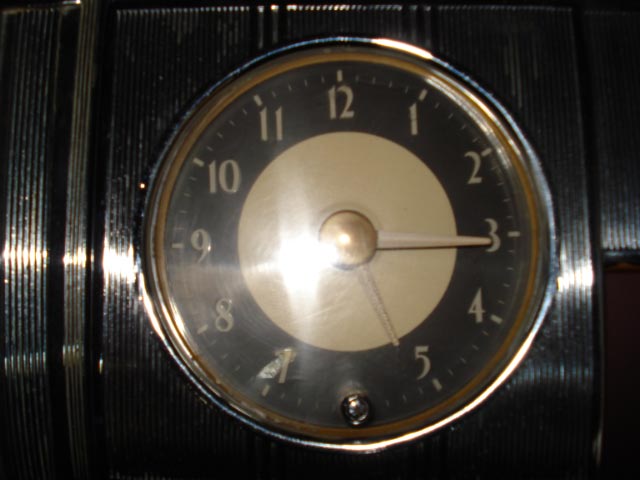
A new optional electric clock put the setting button onto the clock instead of in the glove compartment.
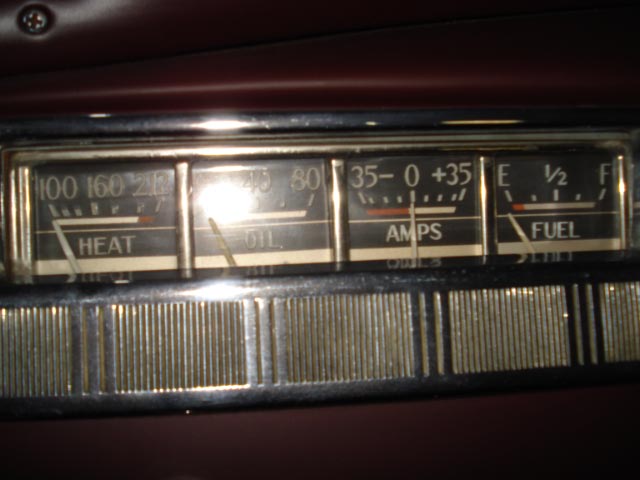
New instrument panel with brighter, safer non-glare edge lighting, with sharpened contrast that makes dials easier to read.
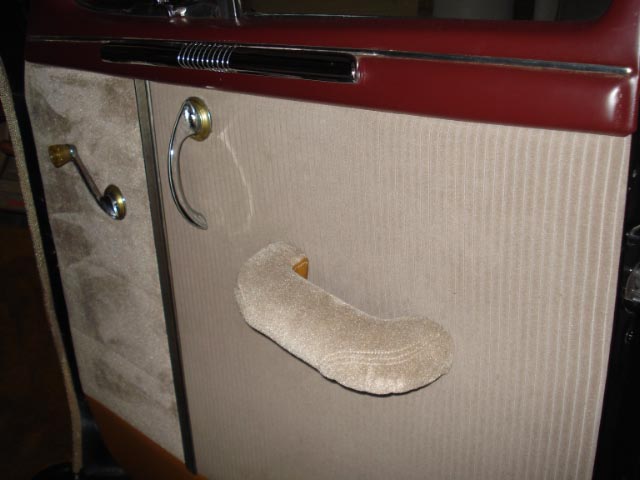
Inside, plastic was used for door knobs and controls on the instrument panel. Rotary door latches allowed for closing doors lightly; spring tension kept the doors closed. Rotary door latches have a continuous “take up” to keep doors snug … door handles are safety-curved to prevent catching of clothing and prevent injury. Window and door moldings have a rich woodgrain finish.
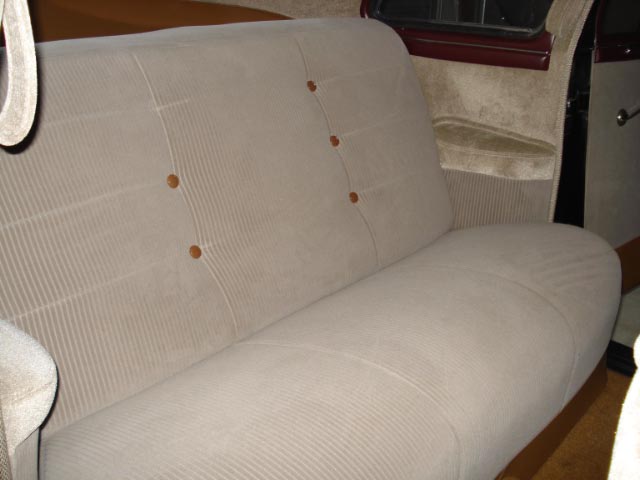
Room Galore! Just look at that wide expanse of cushion … much like your Davenport at home. You’ll appreciate the additional comfort of these rear seats which are almost 8 inches wider. Front seats, too, are a full 6 inches wider. Dodge is in reality a “three-couple” car in which SIX BIG PEOPLE can ride in comfort.
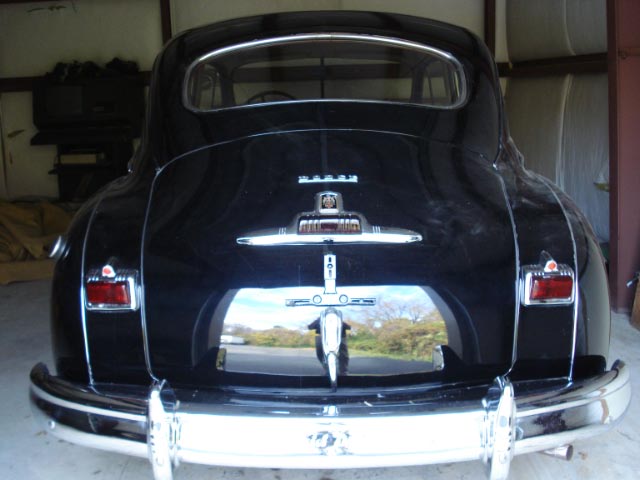
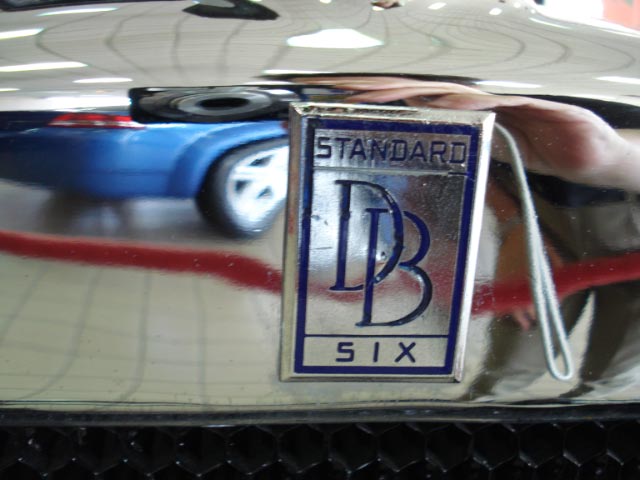
While taking pictures I caught part of my reflection in the chrome. I’m not all that great of a photographer and even trying to hide behind the trunk latch didn’t quite work out.
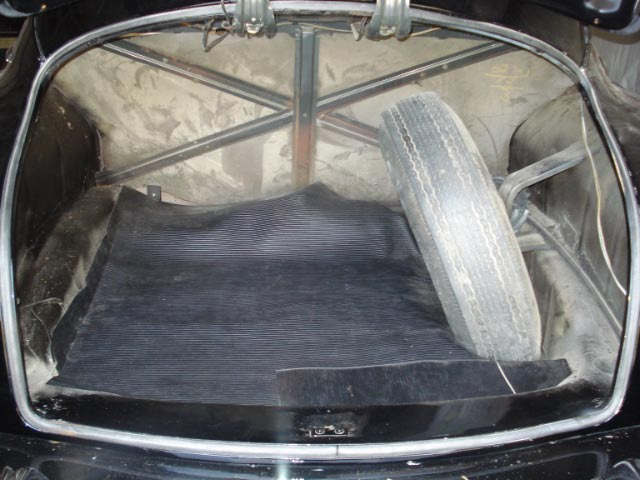
Super size trunk! Designed to add more usable space. Floor is level with opening – luggage slides right in.
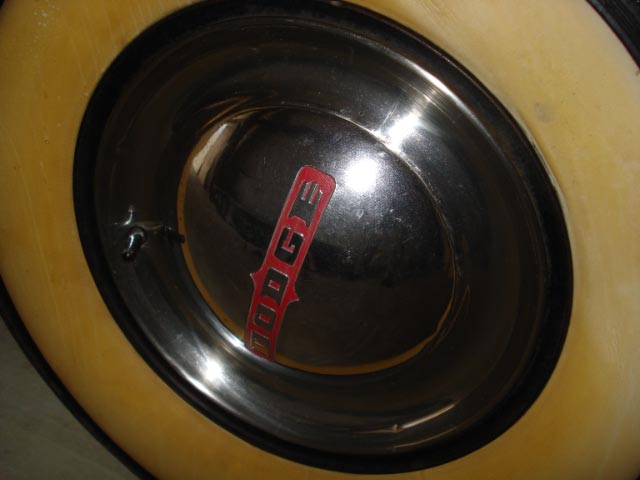
Dodge branded hubcaps “set off” the appearance of the car.
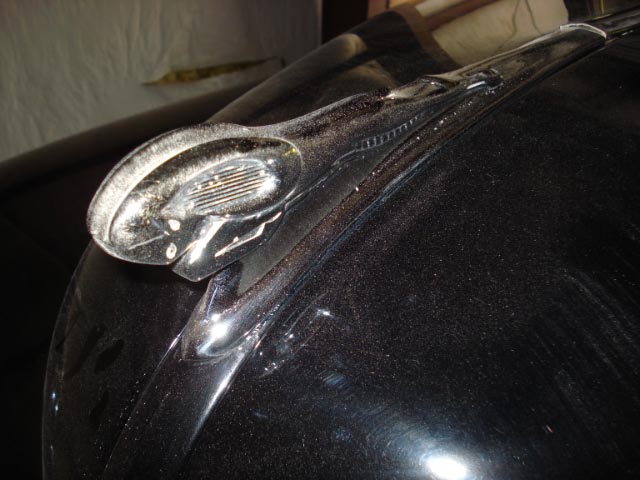
Dodge ram hood ornament and crest. This one had separate horns, and was a popular aftermarket accessory for Dodge trucks well into the late 1960s.
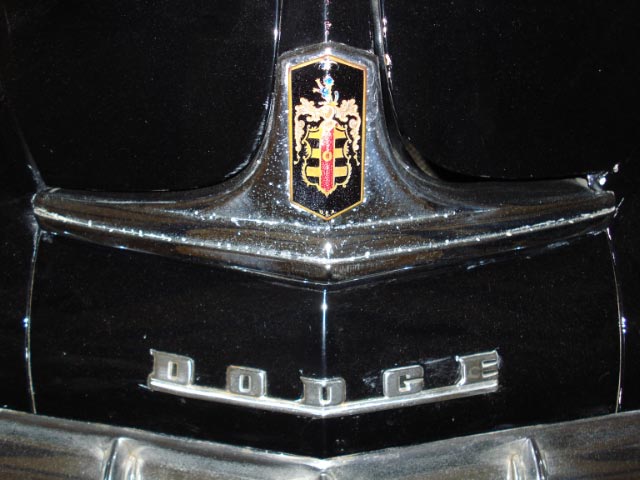
Hood is stamped with the Dodge coat of arms and “DODGE”. Dodge used a crest (the Dodge family coat of arms), starting in 1941; the Dodge coat of arms referred to changed shape in 1955, 1956 and 1957 before fading away at some time after 1960.
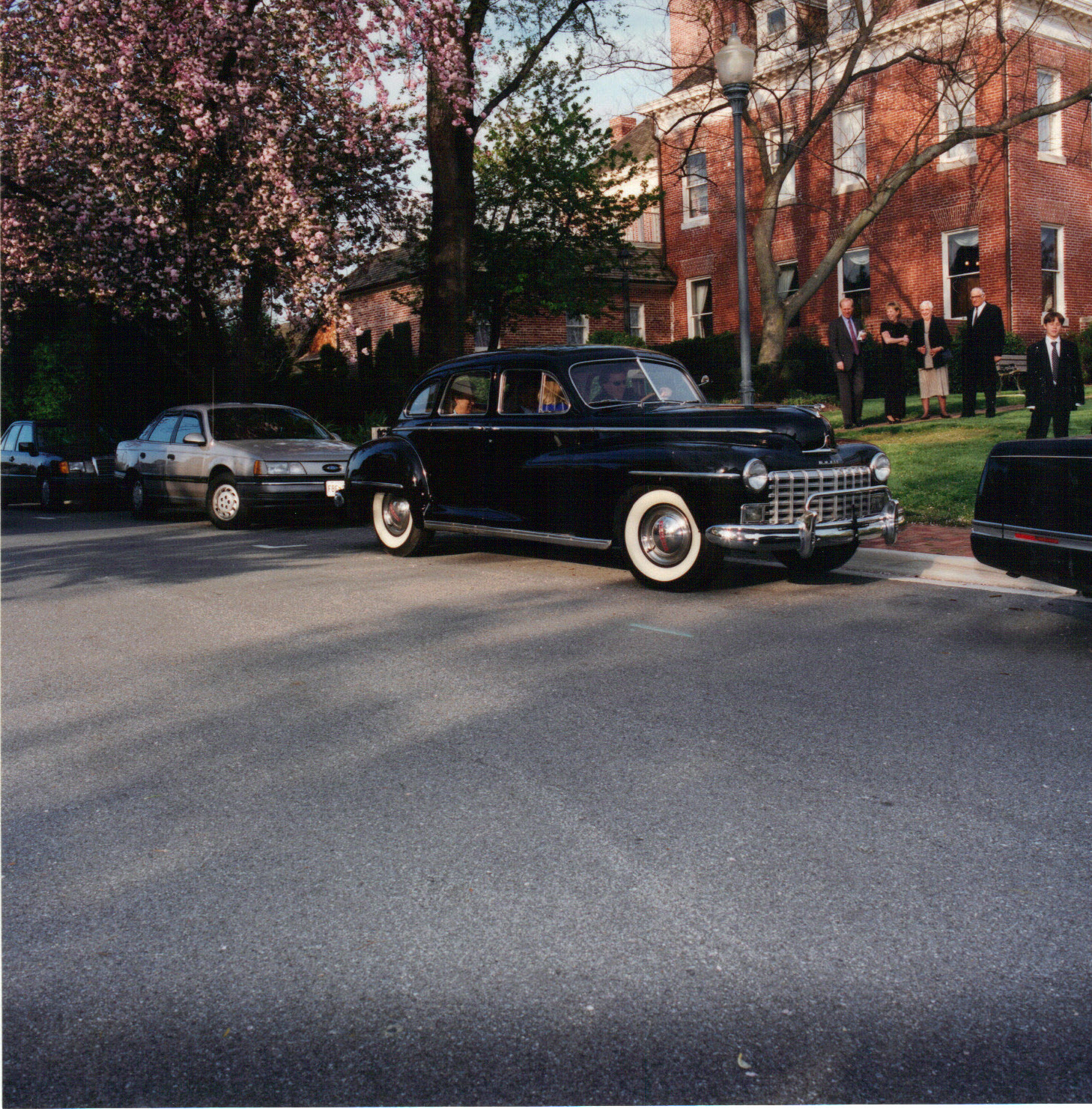
Here is the1946 Dodge Deluxe parked on the street at the Kentland’s Mansion
To commemorate Mary Jane and Lee Gartner’s 50th wedding anniversary on April 10, 1998, the dealership spruced up the vintage ’46 Dodge. Richard, the eldest son of Lee and Mary Jane, chauffeured his parents to and from the Kentland’s Mansion in this car for their Golden Wedding Anniversary celebration.
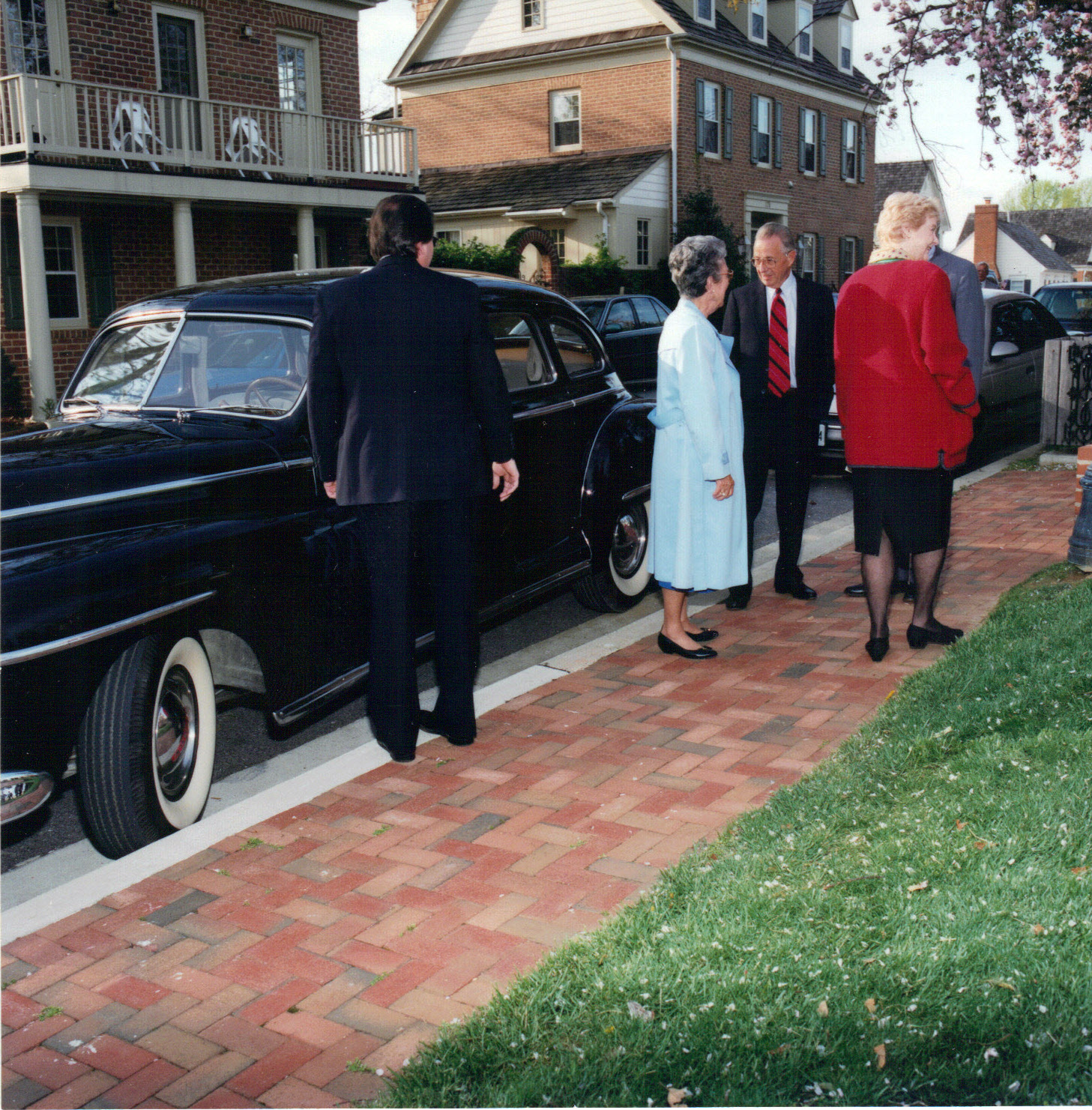
Mary Jane (blue coat) & Lee Gartner (red tie)
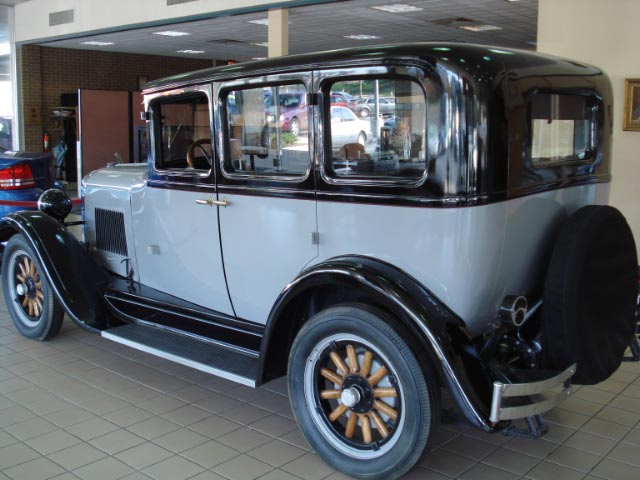
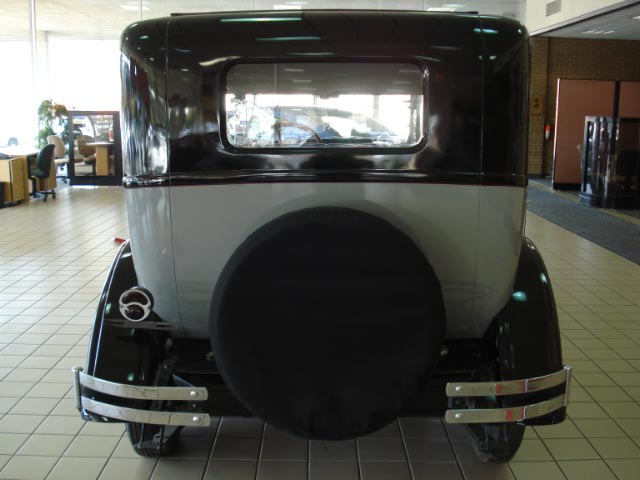
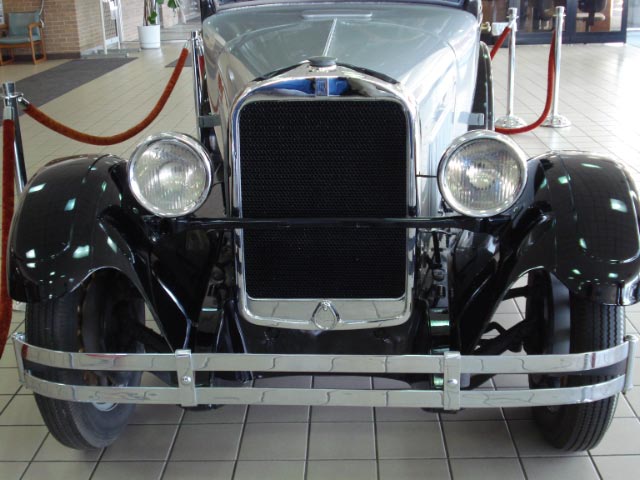
1928 Dodge Brothers Standard Six
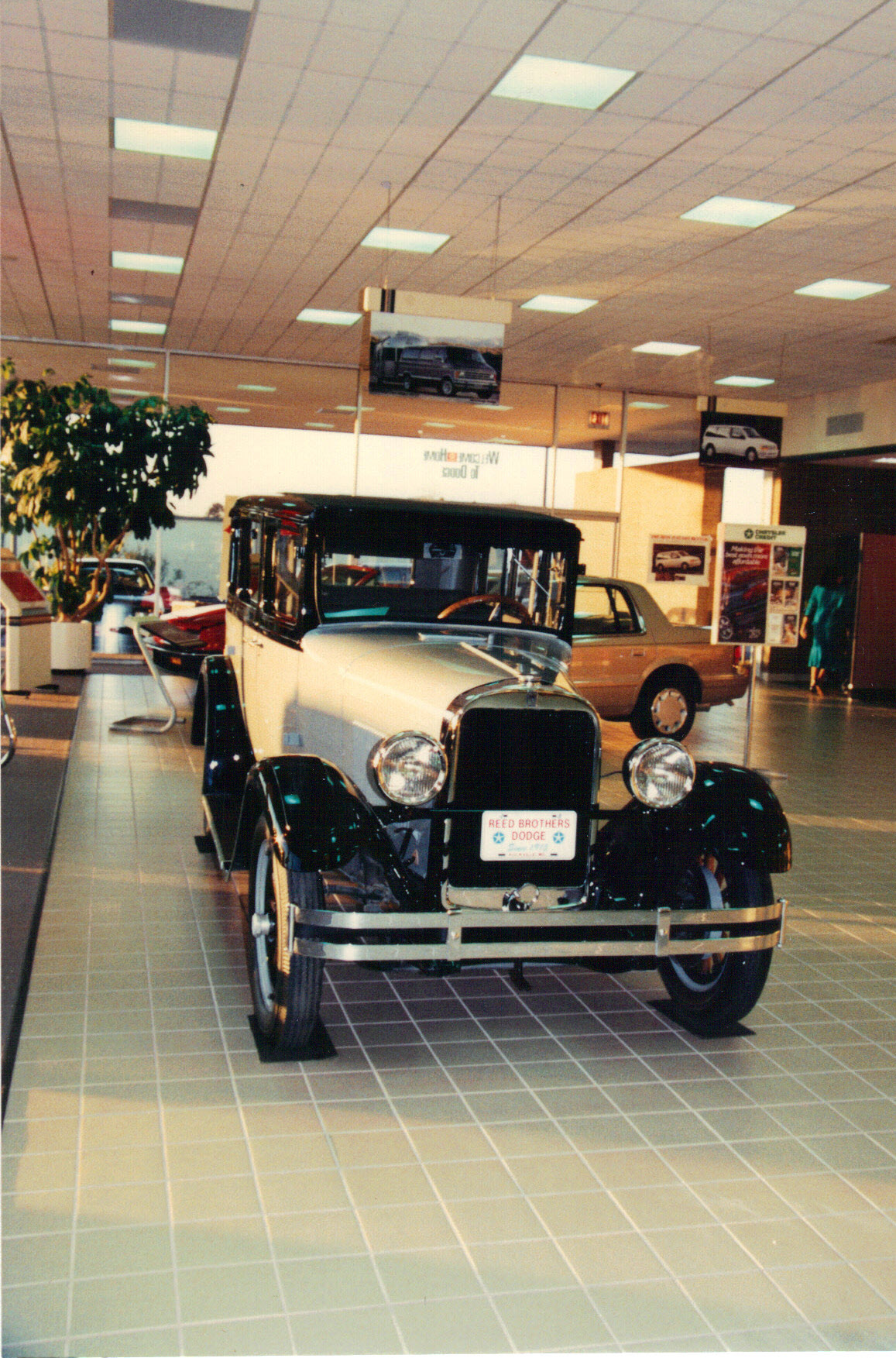
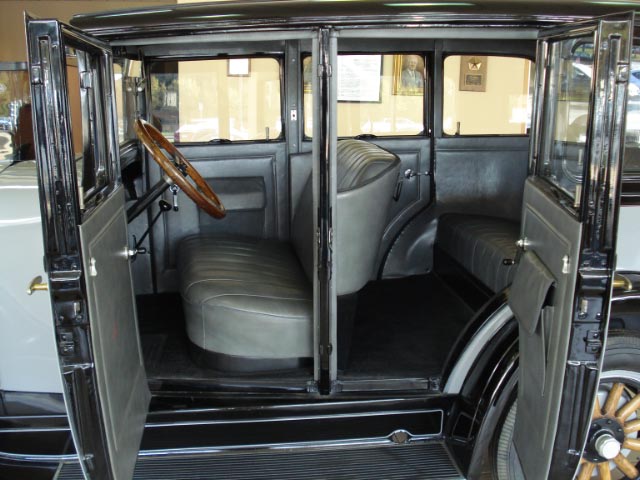
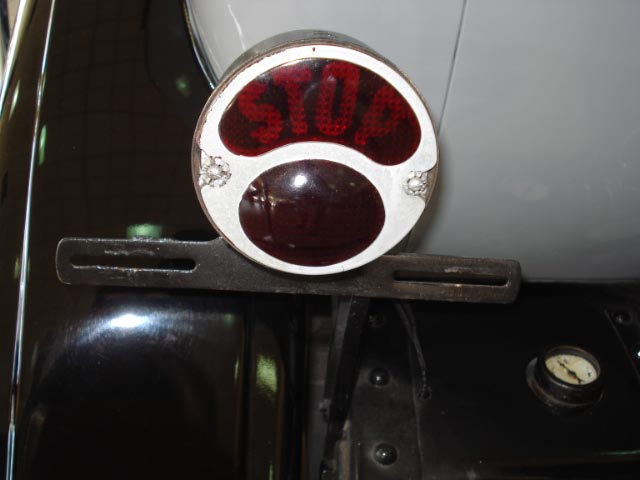
This 1928 Dodge Brothers Standard Six was a vehicle from Reed Brothers private collection of automobiles. It fell into the hands of Lee Gartner over 40 years ago from an upper Montgomery County, Maryland used car dealer at the price of $100. In dealer ownership for over forty years, this vintage car was restored and maintained over the years by Reed Brothers Body Shop and Service Department.
The history of the Dodge Brothers marque began in 1914. During their first year they introduced the ‘Old Betsy’ known for its reliability and durability. A total of 249 examples were created during the company’s first year. The name ‘Dodge Brothers’ was used from 1914 through 1927. In 1928 it was acquired by the Chrysler Corporation and its name was changed to ‘Dodge’.
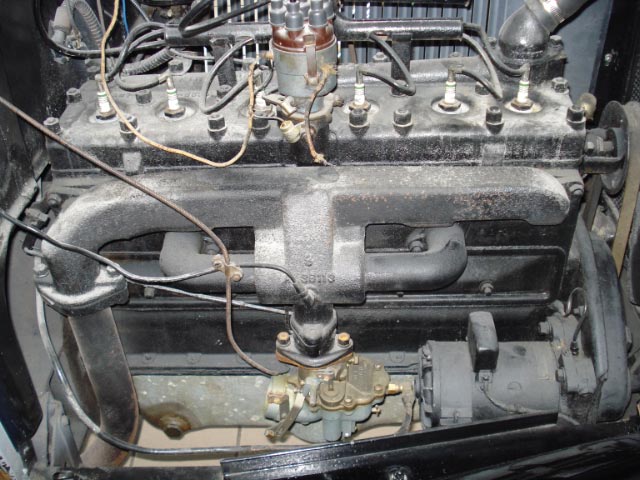
The Standard Six carried an $835 factory price and was powered by a 6-cylinder; L-head engine rated at 27.34 hp. The fully restored 1928 Dodge was proudly displayed on the showroom floor, and for many years served as a wonderful conversation piece. It had only 46,504 original miles on it and still ran well until it was sold in 2012.








Books

Related Resources


Copyright Notice

Reed Brothers Dodge History (1915-2012) by Jeanne Gartner is licensed under a Creative Commons Attribution-NonCommercial 3.0 Unported License.
 Reed Brothers Dodge History 1915 – 2012
Recent Comments