
Update: “Light Dodger” Sculpture Project by Tj Aitken
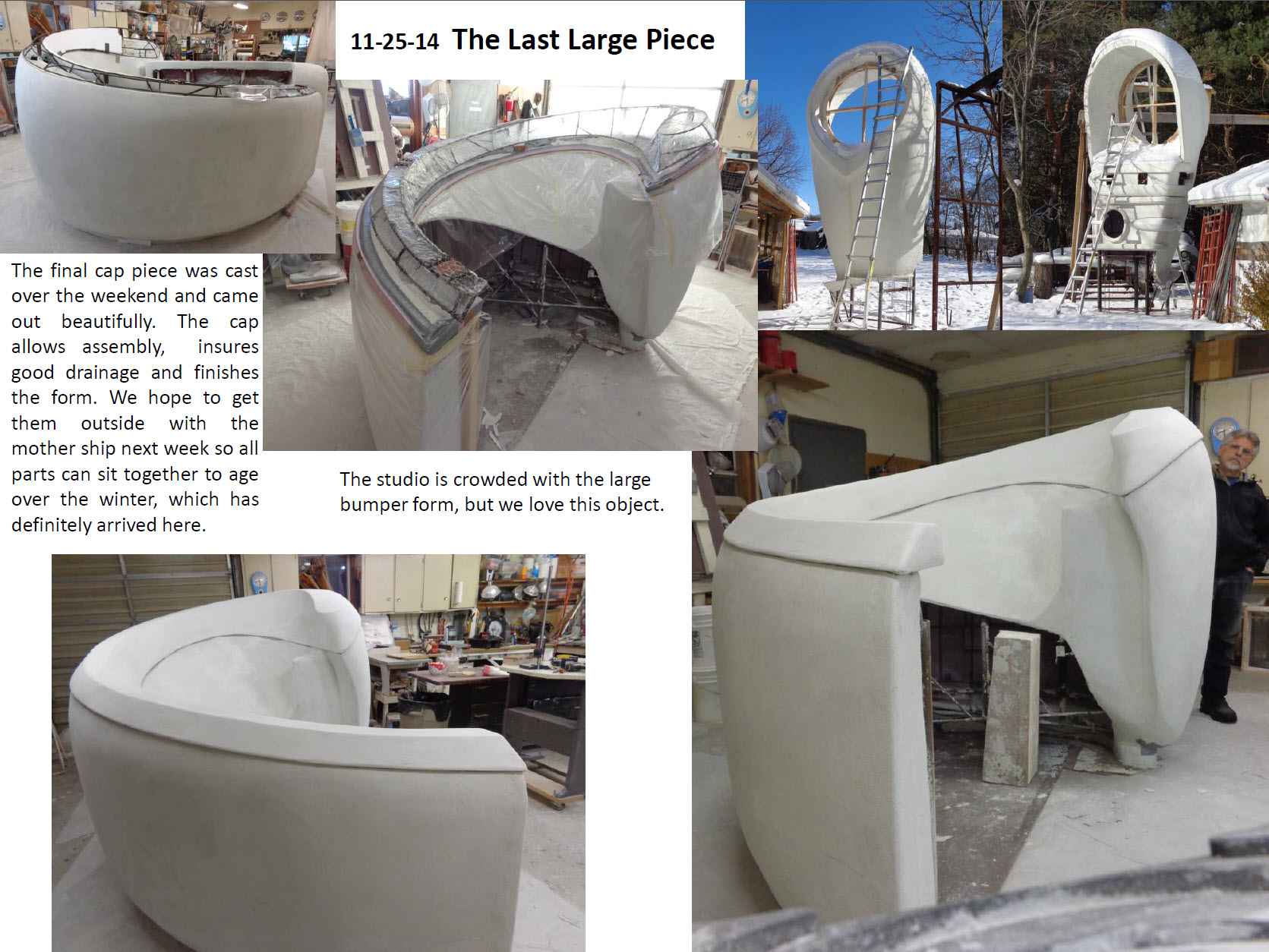
Titled “Light Dodger,” the sculpture by Tj Aitken will stand 20 feet high and will have stained glass lens components over 6 feet in diameter. Currently being fabricated in Holland, Michigan – the home of its accomplished sculpture, Tj Aitken – it is slated to be installed March 2015 at Bainbridge Shady Grove Apartments at the entrance to the Shady Grove Metro Station on the Red Line to Washington, DC. Reed Brothers Dodge stood at this location for more than 40 years.
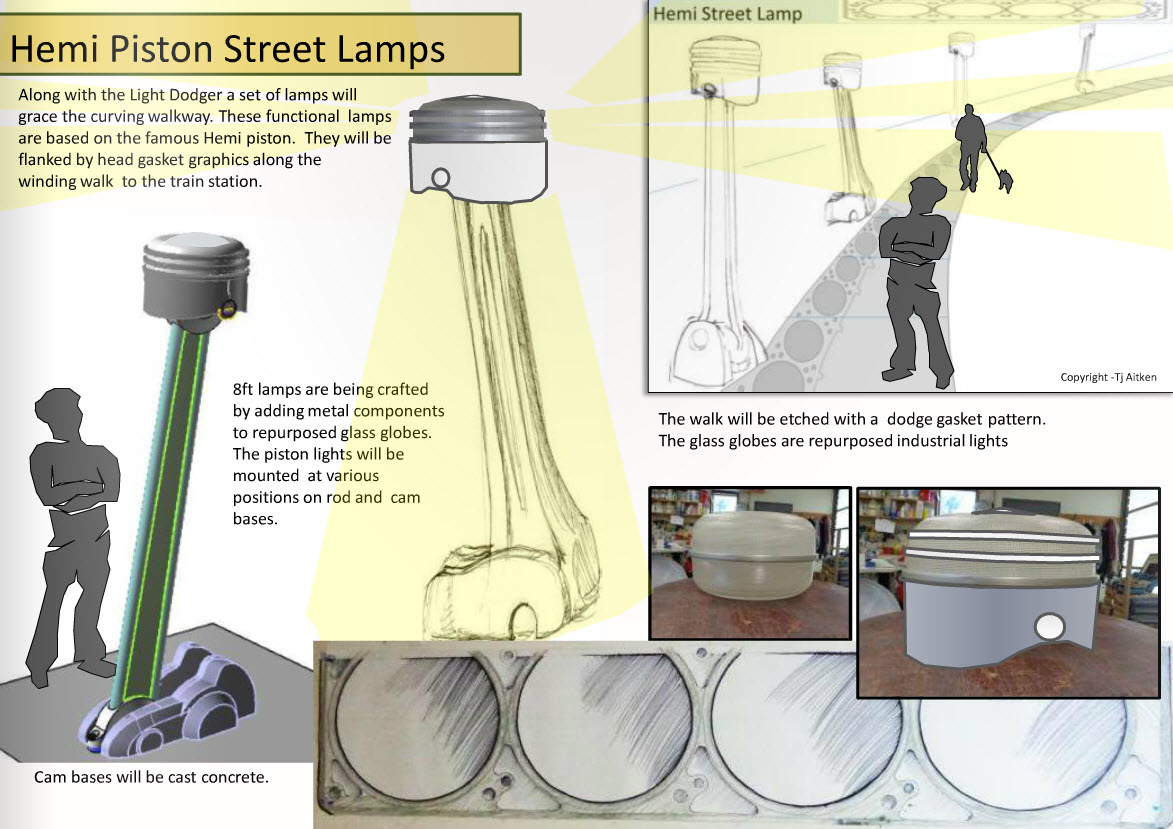
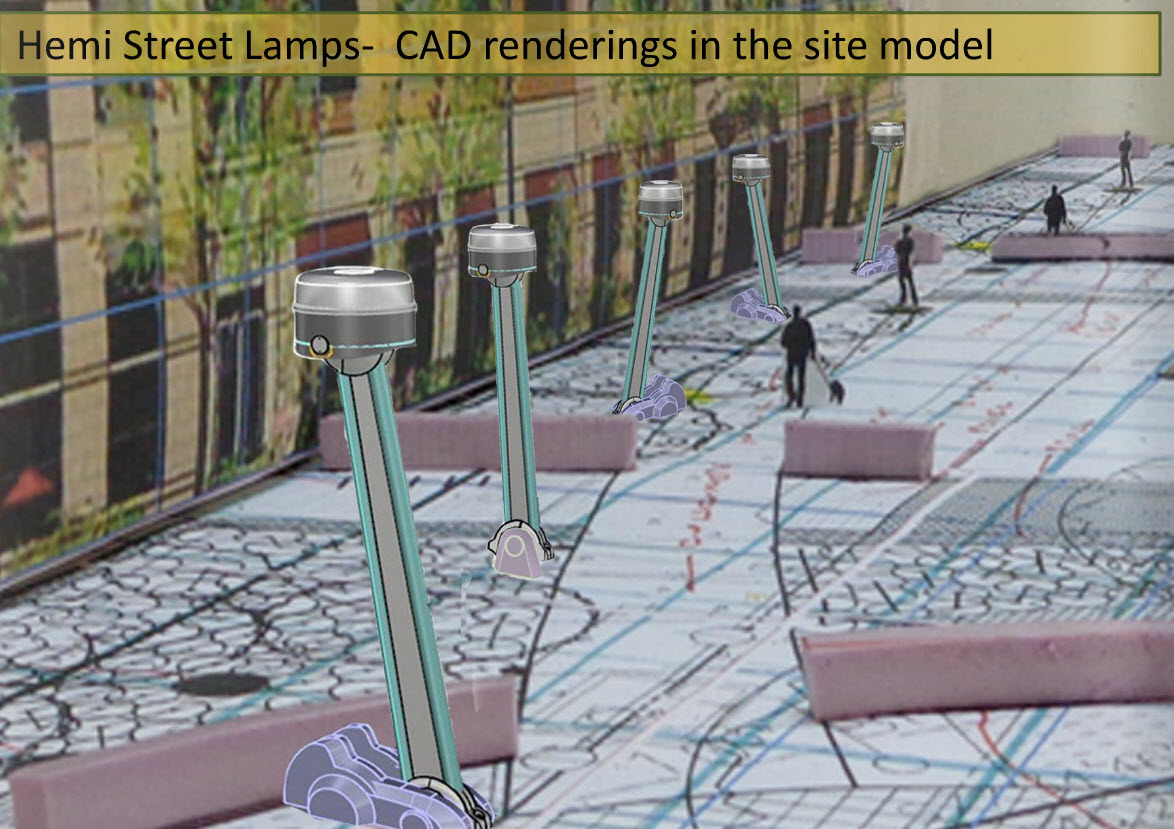
It is part of a project that commemorates the dealership that received the #8 Dodge from Detroit in 1915. The site will also include Tj’s “Hemi Piston Street Lamps”. (click on images to enlarge)




44 Years Ago Today: New Facility Grand Opening
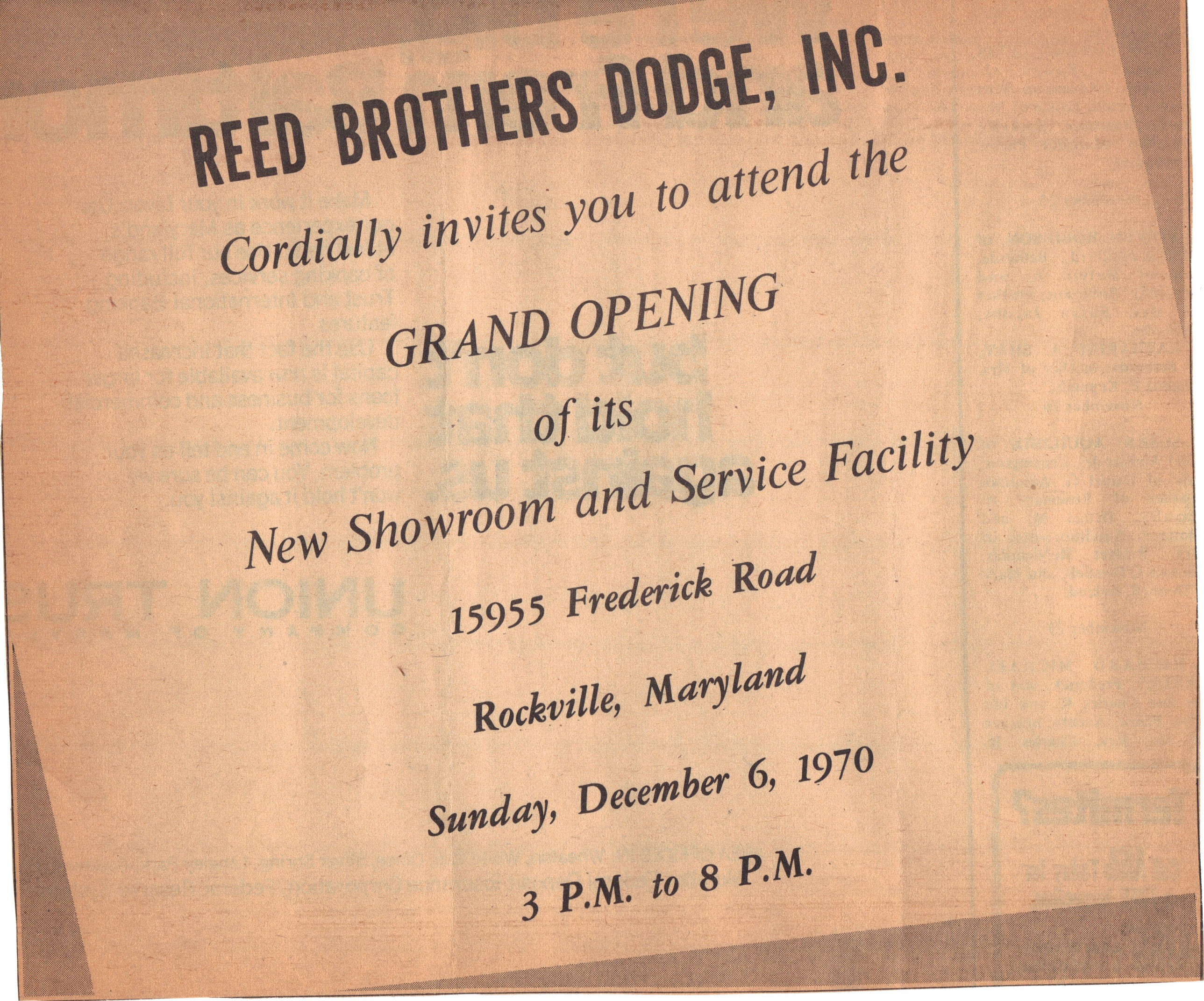
Today marks forty four years since the Grand Opening of Reed Brothers Dodge new showroom and service facility.
When the state widened the roads in 1970, Reed Brothers Dodge relocated from its original 1800 square foot facility at the intersection of Veirs Mill Road and Rockville Pike to a state-of-the-art 26,000 square foot showroom and Dodge/Chrysler/Jeep service complex on Route 355 at 15955 Frederick Road Rockville, Maryland. The new building, a complete automotive sales and service facility also marked their 55th year of selling Dodge’s.
The new dealership provided a modern new vehicle showroom, 30 service bays, a comprehensive detail and car wash area, Parts Department, Body Shop, the newest technologies to service customer’s vehicles and provided customers with a convenient location to purchase and service their vehicle needs.
Design and construction of the new dealership was managed by the Glen Construction Company.
Winner – 1931 Reed Brothers Third Annual Goodyear Dealers Zeppelin Race
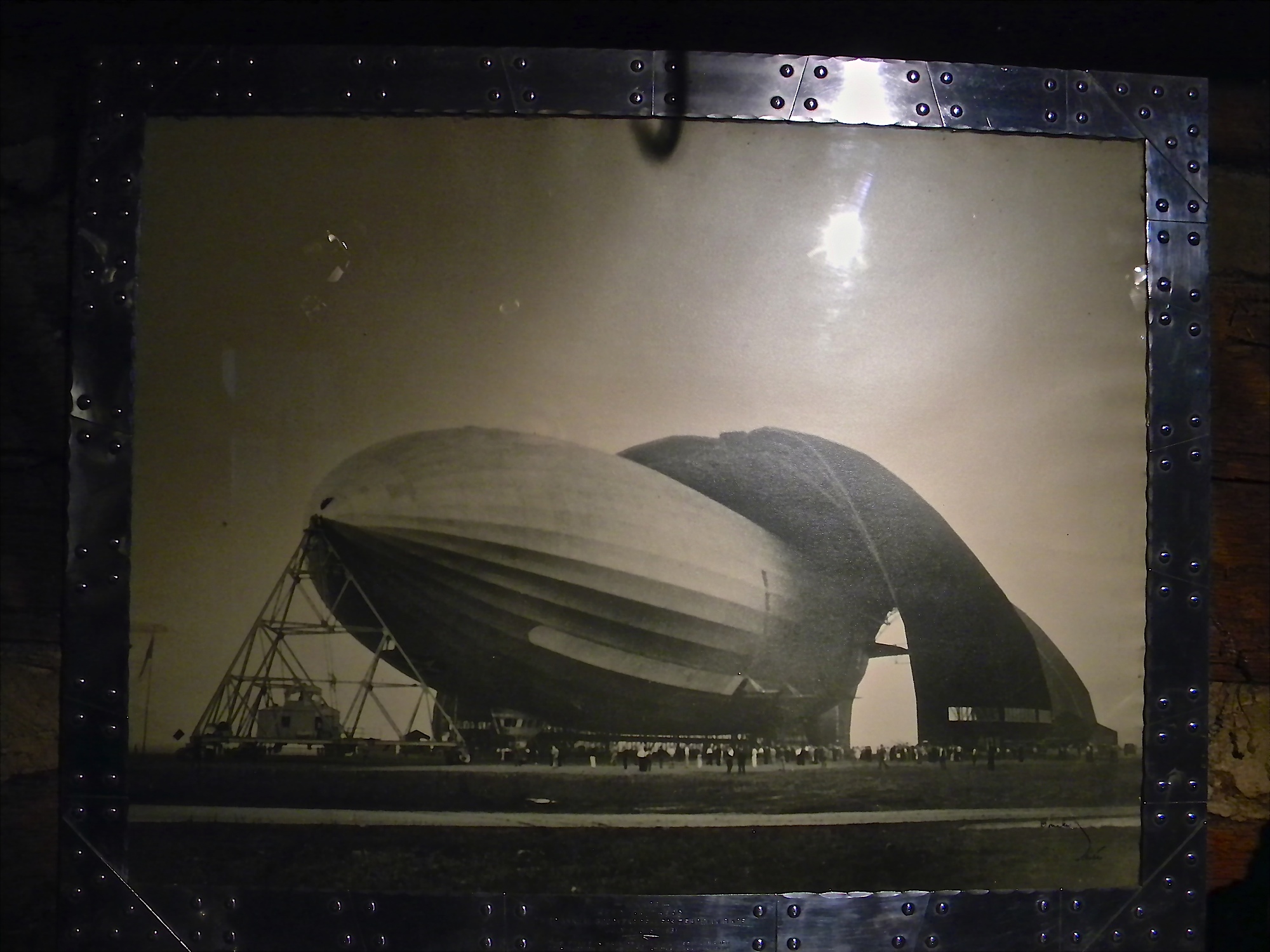
MARGARET BOURKE-WHITE, 1931 REED BROTHERS THIRD ANNUAL GOODYEAR DEALERS ZEPPELIN RACE WINNER
In the early 1930’s, the Goodyear Zeppelin Company produced a series of framed prints as rewards for Goodyear dealers as prizes for high sales. Sales was based on a two months quota, and participated in by thousands of dealers all over the country. The print shows USS Akron on a mobile mast, leaving her hanger. The frame is made of the sheet metal and rivets used in dirigible construction, and each frame has an engraved duralumin plaque at bottom center of the frame.
The inscription plaque reads:
-WINNER-
Reed Brothers
Third Annual Goodyear Dealers Zeppelin Race
July-August 1931
THIS FRAME IS MADE OF DURALUMIN USED IN THE GIRDER CONSTRUCTION OF THE UNITED STATES AIRSHIP “AKRON” BUILT BY THE GOODYEAR ZEPPELIN CORPORATION
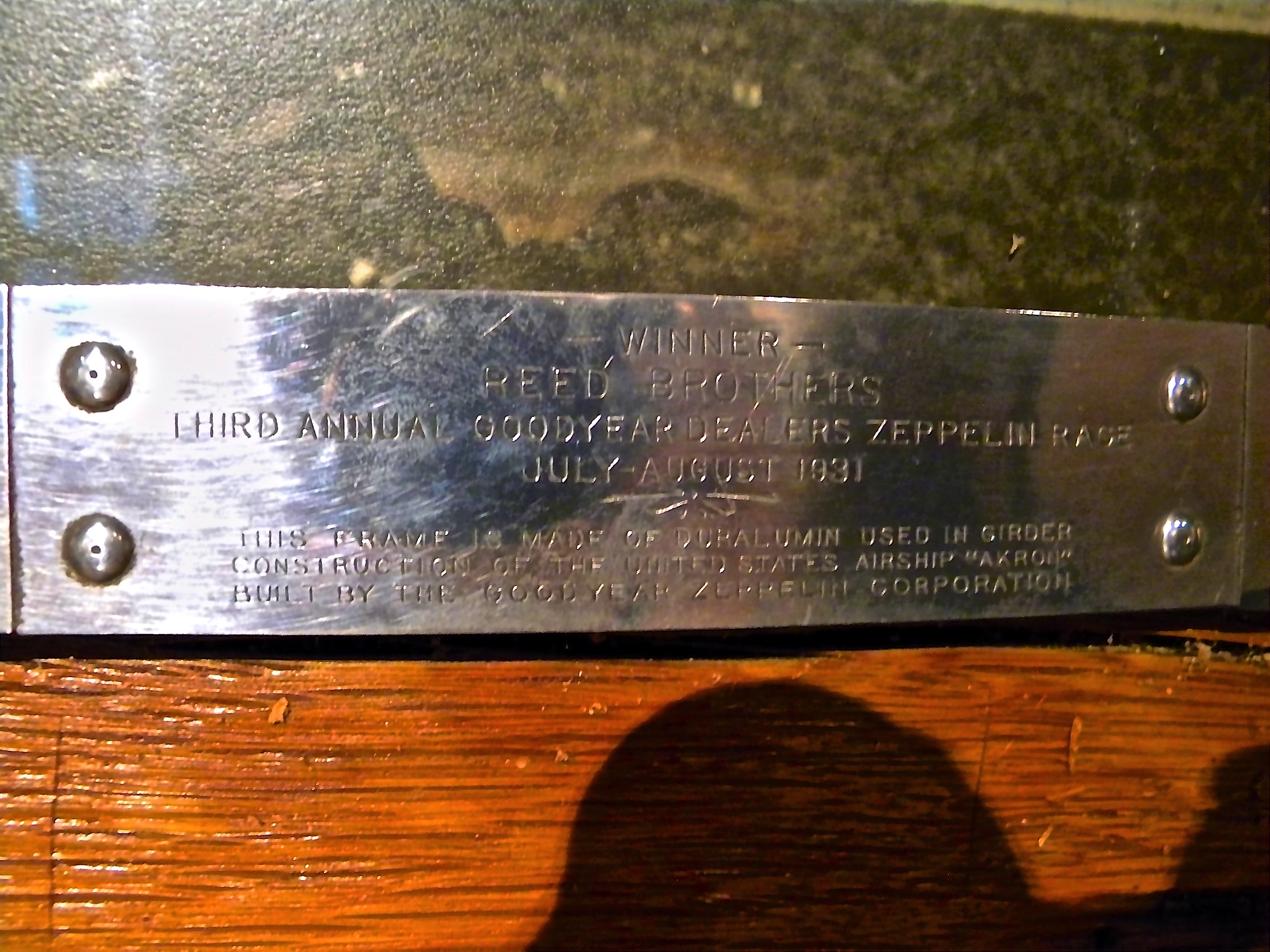
Inscription plaque
This original Margaret Bourke-White photograph of the United States Airship “Akron” is SIGNED in the lower right hand corner by the famed 20th Century photographer.

Photo is signed by the photographer, Margaret Bourke White
The USS Akron, first of a class of two 6,500,000 cubic foot rigid airships, was built at Akron, Ohio. Commissioned in late October 1931, she spent virtually all of her short career on technical and operational development tasks, exploring the potential of the rigid airship as an Naval weapons system. During the remainder of 1931 and the early part of 1932, the Akron made flights around the eastern United States and over the western Atlantic, including one trial of her capabilities as a scouting unit of the fleet. While beginning a trip to the New England area, Akron encountered a violent storm over the New Jersey coast and, shortly after midnight on 4 April 1933, crashed tail-first into the sea. Only three of the seventy-six men on board survived this tragic accident. During the search for other possible survivors, the Navy non-rigid airship J-3 also crashed, killing two more men.
Note: Margaret Bourke-White (1904 1971) is best known as the first foreign correspondent to be permitted to take photographs of Soviet industry, the first female war correspondent, and the first female correspondent permitted to work in war zones.
40th Anniversary with Goodyear
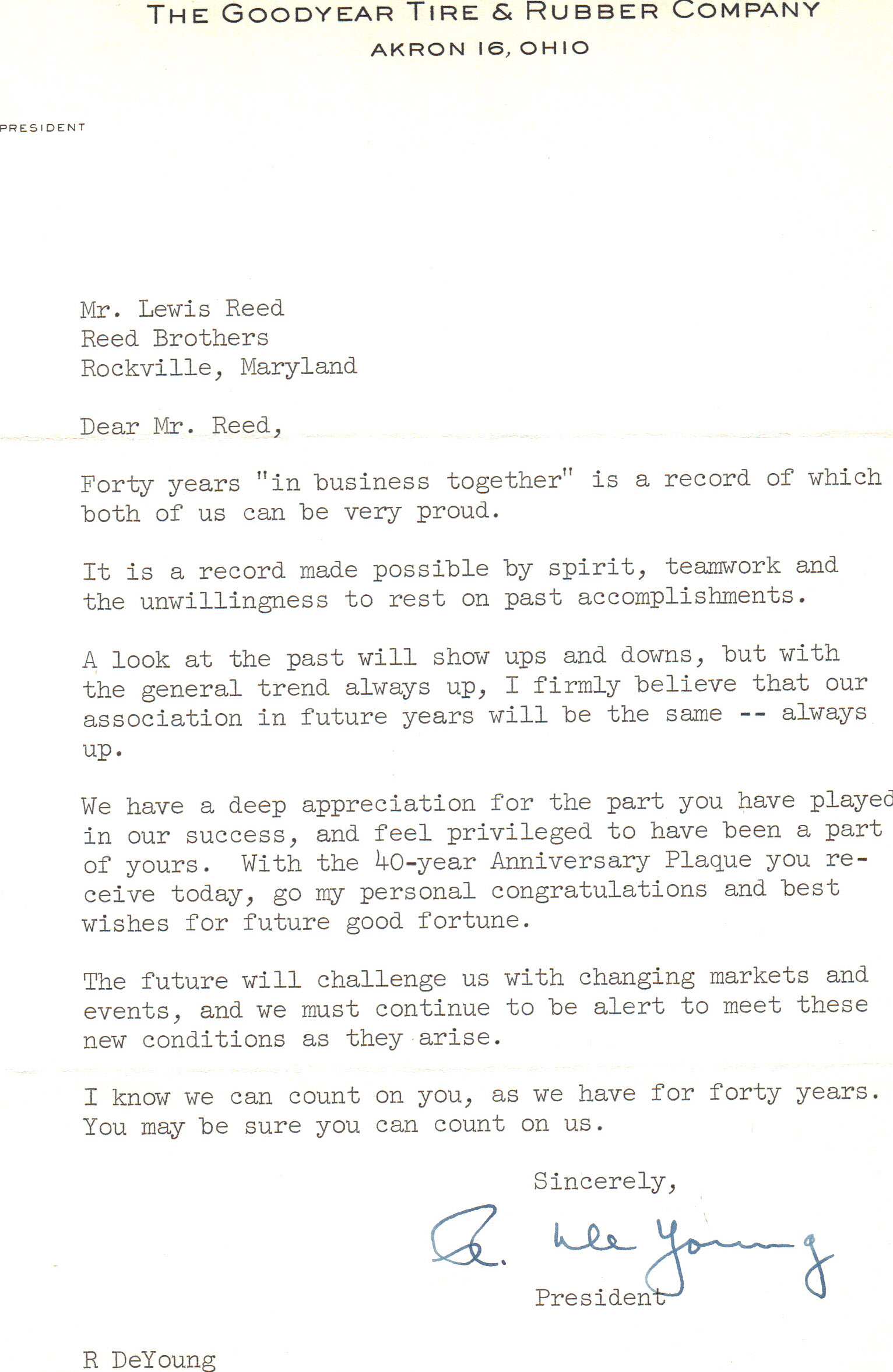
Lewis Reed was recognized by Goodyear Tire & Rubber Co. for reaching his 40th year as a Goodyear dealer. Reed Brothers Dodge began selling Goodyear tires in the 1920s. Below is a letter from Russell DeYoung thanking Lewis Reed for his 40 years “in business together”.
Please see Margaret Bourke-White: The Photography of Design, 1927 – 1936 for more information
Happy Thanksgiving!

I would like to wish all my friends and visitors to this blog the happiest of Thanksgivings with memorable moments, smiles, and laughter to carry you through many days ahead!
Happy Birthday Lewis Reed! Founder of Reed Brothers Dodge

Today marks my grandfather’s birthday. Lewis Reed was born in Darnestown, Maryland on November 25, 1887 and was the founder of Reed Brothers Dodge.
When Lewis Reed opened his car dealership in October 1915, he never knew he was starting a family tradition that would be carried out for 97 years and three generations. He founded what would become the oldest Dodge dealership under the same family ownership in the state of Maryland, and one of the oldest in the entire nation.
Lewis Reed was just a young man when he started selling cars built by brothers Horace and John Dodge in Detroit. Few people jumped onto the Dodge Brothers bandwagon earlier than Lewis Reed, and not many have lasted longer. Reed Brothers was franchised as a Dodge dealership and service facility only one year after the first Dodge automobile was made.
Lewis Reed’s Rockville Garage sold more than just Dodges. During the early years, Reed Brothers represented several franchise nameplates along with Dodge, including Oldsmobile, Hudson and Essex. The Hudson and Oldsmobile were sold at Reed Brothers from roughly 1917 through 1921.
However, his love of cars and entrepreneurial spirit began years before. Prior to World War I, Lewis Reed’s love of automobiles led him to becoming a chauffeur. Chauffeurs were trained to be proficient with their driving skills, but they also had to keep the luxury automobiles in tip top shape which is where his mechanic training would have come into play. He received his training as an automobile mechanic at the Pierce Arrow factory at Buffalo, New York, the Dodge and Hudson factories at Detroit and the Washington Auto College.
A mechanical aptitude was necessary to be a car dealer in the early 1900′s. When the cars were shipped to the dealer from the manufacturer they were only partially complete and they needed final assembly, so the new dealer quickly became skilled at repair. It was the dealer’s responsibility to assemble the cars at the rail yard and drive them back to the showroom.
Lewis Reed was very active in his community and in his church. He was a member of the Gaithersburg Grace Methodist Church, where he served as a member and Chairman of the Board of Stewards, a Lay Leader and President of the Men’s Bible Class. He was a charter member and Past President (Feb 1933 – Feb 1937) of the Gaithersburg-Washington Grove Volunteer Fire Department and a member of the advisory board of the Rockville branch of the First National Bank of Maryland. Lewis Reed belonged to the Masonic Lodge of Rockville, the Pentalph Chapter of the Eastern Star and the Rockville Rotary Club. He was a Rotarian for 34 years and also had served as President of that group.
Lewis Reed was the first to sell Dodge cars in Montgomery County, Maryland and his company was the first Gulf gas dealer in the Washington, D.C. area.
Active in the dealership daily until the day of his death, Lewis Reed died on January 28, 1967 at the age of 79. Shortly after his death, the Senate of Maryland passed SENATE RESOLUTION NO. 10 honoring the well-known Rockville automobile dealer for his personality and outstanding contributions. The resolution was sponsored by state Senators Anderson and Gore.
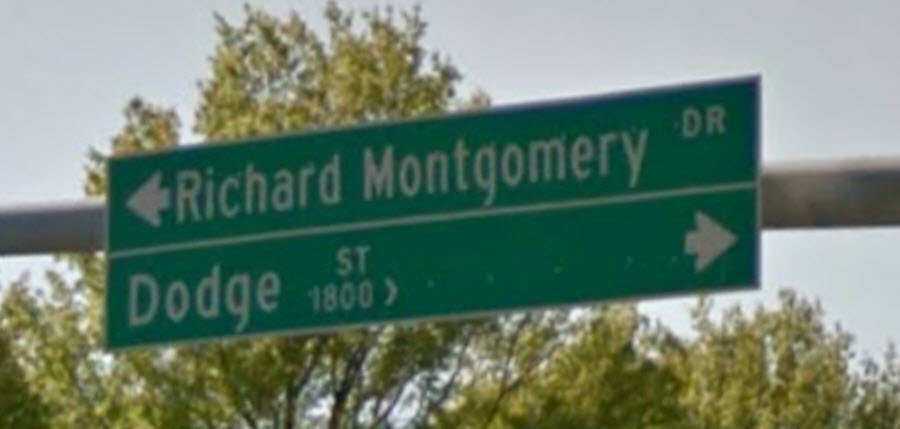
At the time of his death, he was in negotiations with the State Roads Commission on the Commission’s proposal to take over a portion of his business property for construction of an interchange at Rockville Pike, Hungerford Drive and Veirs Mill Road. In honor of Lewis Reed, the State of Maryland named the street behind the dealership’s original location, “Dodge Street” because Reed Brothers Dodge was located there for so many years (1914-1970).
When you look back and consider what has taken place in the world in the past 100 years or so, you gain a perspective of what Lewis Reed faced. He overcame a lot of obstacles throughout his life. He steered his dealership through World War I, The Great Depression and World War II. When Reed Brothers had no new cars to sell for three and a half years and many dealers went bankrupt, he converted his car showroom into a display room and sold GE washing machines and other appliances. He held a serious work ethic in the highest regard, and that was not lost on me.
Lewis Reed set an outstanding example through his success, but more importantly through his sacrifices and commitment to the community he served. It is in keeping with Lewis Reed’s spirit, that I proudly honor and preserve the legacy he left as the founder of his family’s 97-year old dealership that spanned three generations and over nine decades.
Books

Related Resources


Copyright Notice

Reed Brothers Dodge History (1915-2012) by Jeanne Gartner is licensed under a Creative Commons Attribution-NonCommercial 3.0 Unported License.


Recent Comments