
A Birthday Tribute to My Mother, Mary Jane (Reed) Gartner
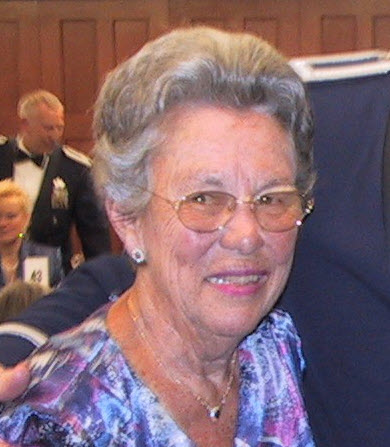
Mary Jane (Reed) Gartner September 24, 1922 – September 10, 2019
On September 24, 1922, Mary Jane (Reed) Gartner was born into a family whose name would become part of Rockville’s history. The daughter of Lewis Reed, founder of Reed Brothers Dodge, she came of age in the midst of a family business that spanned almost 100 years and three generations. Today, on her birthday, I dedicate this post to her memory.
It is impossible for me not to pause and reflect on what an extraordinary person she was. Like many, I have a handful of people in my life who truly inspire me, and my mom is at the very top of that list. From the earliest days of my life, she instilled in me a fundamental belief: if I set my mind to something, I could achieve it. She often said that “anything worth doing, is worth doing well,” and that motto has been a guiding light in everything I pursue. More than once, she reminded me that there is “no such thing as “can’t.” I should always look for reasons why I “can”. Because of that, I became fearless in reinventing myself as life changed, always striving to meet new challenges head-on.
One of the greatest joys of my adult life was the time we spent together exploring family history. On many afternoon visits with her, we went through hundreds of old photographs and stories that connected us to generations past. Many of the photographs had no documentation, so I relied on her remarkable memory; who the people were, where it was taken, the stories behind the faces. Those afternoons of listening and learning shaped the foundation of the books I’ve written and many of the posts I’ve shared on this blog. Without her willingness to share those details, the history I’ve documented would not be the same.
My mother carried the heart and energy of someone far younger. She never let age define what she could or couldn’t do. At 90 years old, she joined Facebook, and she didn’t stop there; she became a Skyper, a Texter, and easily navigated both iPhone and a Windows PC. Her fearless embrace of technology, when most would shy away, was inspiring to everyone around her. She proved that it’s never too late to learn something new.
Throughout my life, my mother was always my greatest supporter. She celebrated every achievement with pride, and one of my most cherished memories is having her in the audience in 2016 when I received the Arthur M. Wagman Award for Historic Preservation Communication from Peerless Rockville. The ceremony was held at Glenview Mansion, and while the recognition was a tremendous honor, what made it unforgettable was sharing it with her. As I looked out into the audience and saw her smile, I felt her joy. In that moment I knew the award wasn’t just mine, it was ours.
On this day, as I honor her birthday, I think of the countless ways she shaped my life. She taught me resilience, curiosity, and the importance of honoring the past while embracing the future. She lived with grace, humor, and a spirit that never grew old. Though I can no longer see her smile or hear her voice, I carry her with me every day in the lessons she taught, the love she gave, and the memories that continue to guide and inspire me.
The Montgomery County Poor Farm: A Glimpse Through Lewis Reed’s Lens
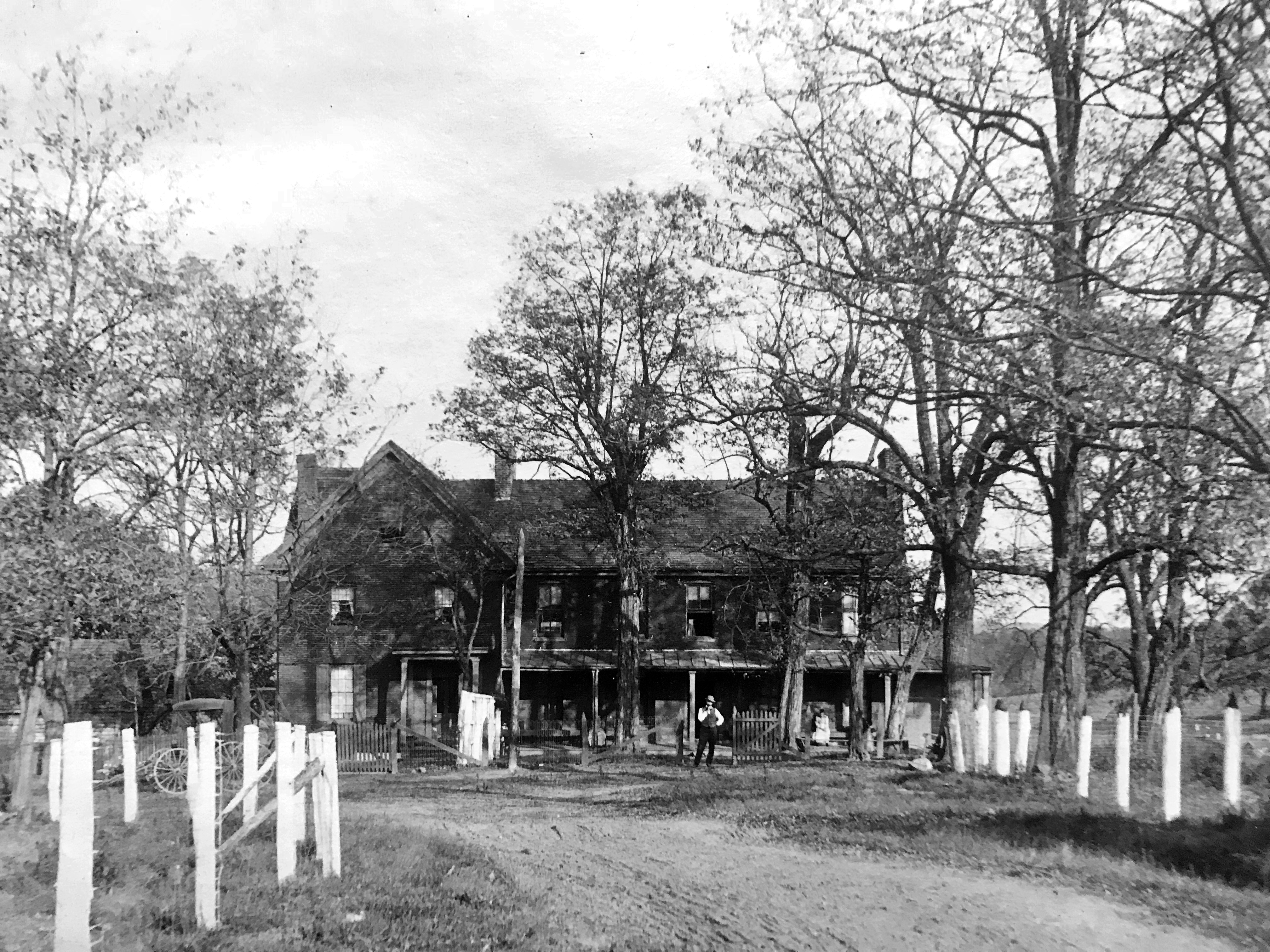
The Montgomery County Maryland Almshouse aka Poor Farm was established in 1789 and torn down in 1959. A modern jail is on its site on Seven Locks Road near Falls Road. Photo taken by Lewis Reed, ca. 1912.
When Lewis Reed raised his camera to capture the Montgomery County Poor Farm around 1912, he was doing more than photographing a building. He was making a choice about what deserved to be remembered.
Reed, known today as the founder of Reed Brothers Dodge, was also an avid photographer with a keen instinct for documenting the everyday life of his community. He photographed barns and bridges, parades and trains, town squares and quiet dirt roads. His lens turned toward the ordinary, and in doing so, he created an extraordinary record of Montgomery County as it was in the early 20th century.
The Poor Farm was not a picturesque subject. It carried with it a history of hardship; established in 1789 as a county-run farm for the poor, the elderly, and the sick, it was a place many preferred not to think about. By Reed’s time, reports described overcrowding, segregation, and unsanitary conditions. Countless residents who died there were buried in unmarked graves nearby. For most, the Almshouse stood as an uncomfortable reminder of poverty in a community that otherwise celebrated progress.
And yet, Lewis Reed photographed it.
Why? Perhaps because he understood, instinctively, that history is not just made up of celebrations and landmarks. It is also written in the places that society tried to hide. His photograph of the Poor Farm framed by leafless trees, a dirt road, and the faint figures of people at its entrance, reminds us that even the least visible institutions were part of the fabric of Montgomery County.
Lewis Reed’s eye was not sentimental, but it was honest. He recorded what was there, not just what was pleasant to see. By turning his lens on the Poor Farm, he acknowledged its existence and its place in the community’s story. Without that decision, we might have no image at all of this building that stood for more than a century and was torn down in 1959.
Today, this photograph is one of the few surviving visual records of the Montgomery County Poor Farm. It endures because Reed believed it mattered. As he might have said himself:
I photographed barns and houses, streets and machines, but also this place because it, too, was part of us. The Poor House was not grand, but it stood for something true about our county. Buildings vanish, memories fade, but a photograph holds them steady. Someday, when the Poor Farm is gone, this image may be all that remains. That is why I pressed the shutter.
Find more photos like this and much more on Montgomery History’s online exhibit, “Montgomery County 1900-1930: Through the Lens of Lewis Reed“.
A Century in Contrast: Then & Now at the Conowingo Dam
As part of our ongoing “Then & Now” series, we’re journeying through time using photographs from Lewis Reed’s remarkable photo collection. These powerful comparisons highlight how much, and sometimes how little, the world around us has changed. In this installment, we turn our lens to the Conowingo Dam, where echoes of the past still linger in the present. Step back in time and see how this historic site has evolved over the past 100 years.
Conowingo Dam (THEN): The Conowingo Dam, completed in 1928, is a large hydroelectric dam on the Susquehanna River in Maryland, known for its role in power generation and its impact on the Chesapeake Bay. When completed, it was the second-largest hydroelectric project by power output in the United States, after Niagara Falls.
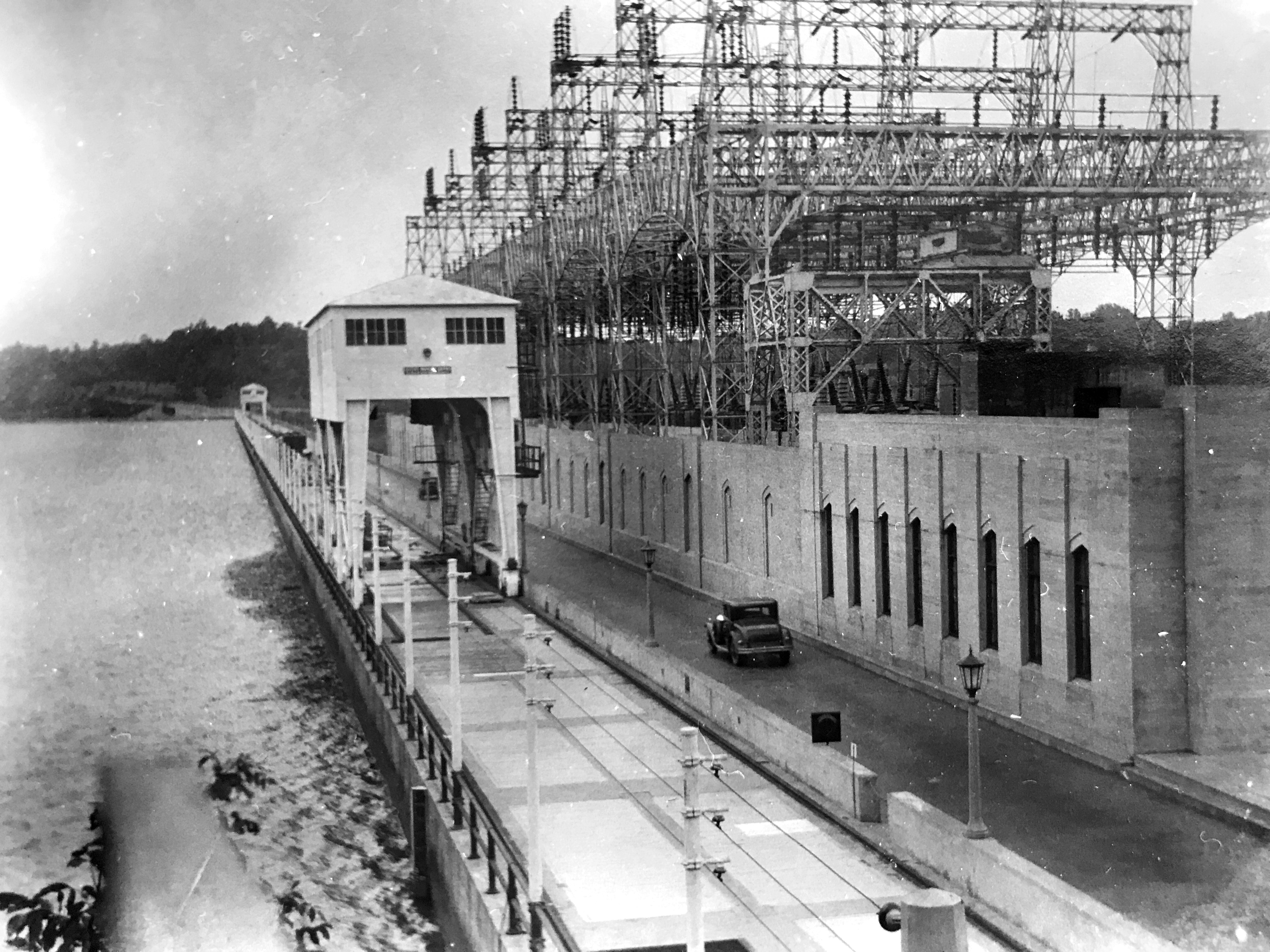
Power House and entrance to driveway crossing Conowingo Dam, Conowingo, Maryland. Photo by Lewis Reed, ca. 1928.
Conowingo Dam (NOW): Today, the Conowingo Dam is operated by the Susquehanna Electric Company, a part of Constellation Energy. The dam is one of the most popular destinations in the United States for seeing bald eagles. While the surrounding area is home to dozens of the eagles year-round, upwards of 200 more will migrate from places like New York and Canada, where lakes and rivers freeze over in the winter and limit fishing opportunities. Their numbers typically peak from November to January, with the eagles taking advantage of the dam’s turbines stunning fish swimming downriver to make for easy hunting. Once a fish is caught, eagles will often battle midair for it, and the spectacle attracts bird photographers from all over the world.
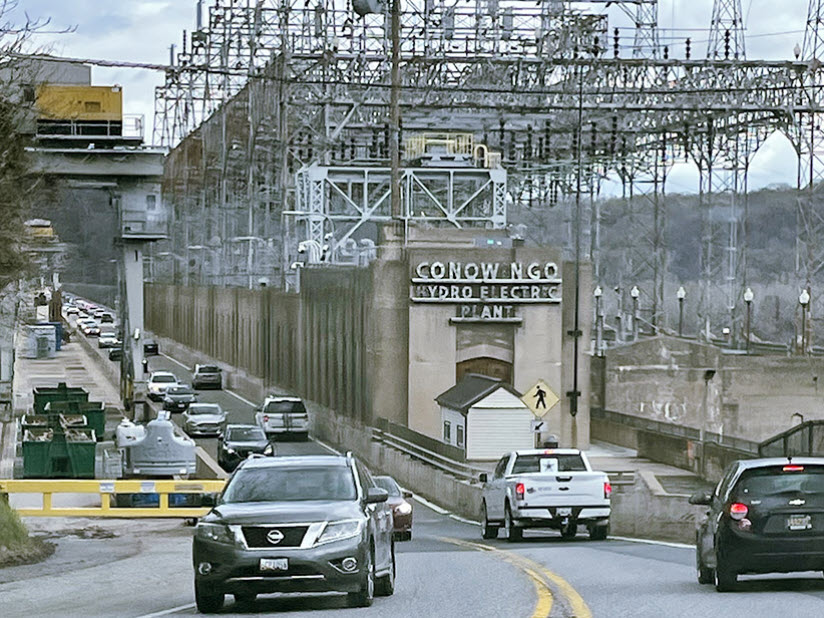
Conowingo Dam today. Google stock image
Source of Information: Conowingo Dam – Wikipedia
The Rockville VFD Firemen’s Carnival Revisited
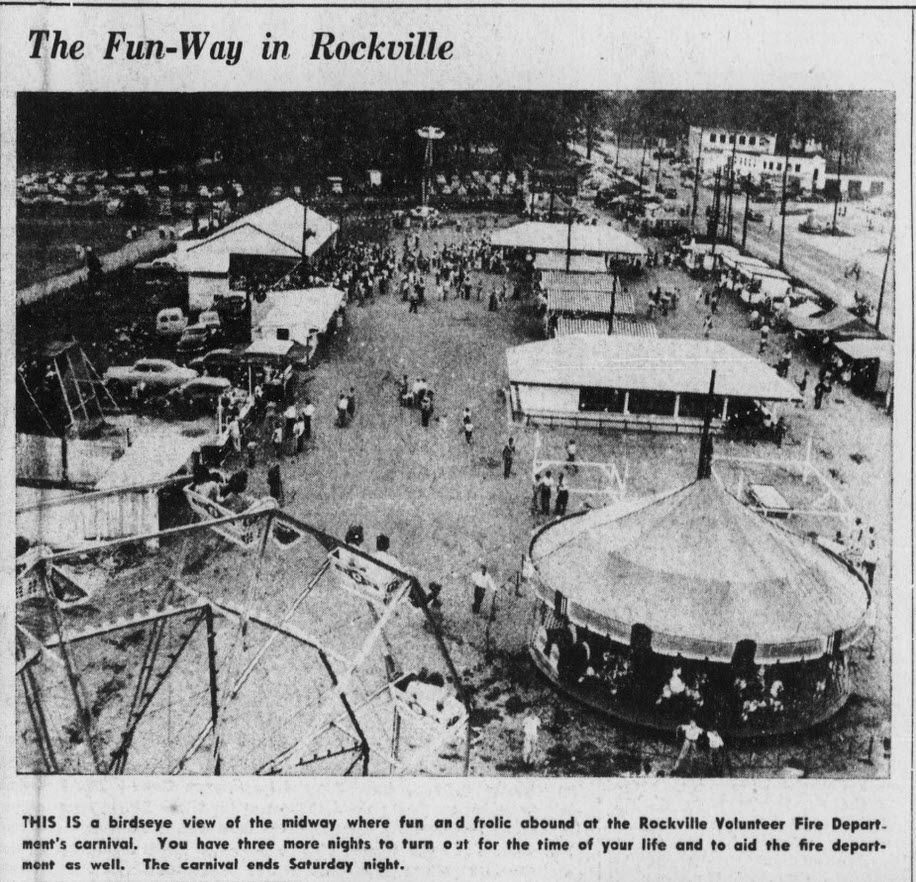
Reed Brothers Dodge can be seen across the Pike in the top right corner.
Ninety-three years ago today, the Rockville Volunteer Fire Department held its very first annual carnival. The article above, from the August 20, 1953 edition of the Montgomery County Sentinel, offers a bird’s-eye view of the bustling carnival midway. Based on what I’ve uncovered from newspaper archives, the carnival got its start in 1932 and appears to have ended sometime in the early 1970s.
From The Daily News, Frederick Maryland, August 10, 1932:
At a special meeting of the department August 5 it was unanimously voted that a carnival should be held on the Fairgrounds from September 3 to 10, inclusive. The first event will be a fireman’s parade and hook-up contests with three cups being offered as prizes. Other items of interest will be the baby show, the old-fashioned square dance, and the public wedding. An automobile and fifteen cash prizes are to be given away during the carnival.
The RVFD Carnival typically ran for eight nights during the month of August, becoming the primary fundraising event for the volunteer fire department for several decades. Locals eagerly anticipated the carnival each year, drawn by the promise of rides, raffle prizes, live music, and, of course, the food. It was a place where friends reconnected, families made memories, and many local children even held their first jobs.
The Carnival Parade
The carnival parade always kicked off the celebrations and were held on the first day, with the intent of drawing the spectators to the carnival grounds. There were always a few high school bands in the lineup, and most of the floats were simple, many being your average flatbed farm wagons decorated with yards of colored crepe paper and sponsored by a local business. Following the procession, teams of 10 men each, engaged in a tug-of-war contests in front of the dancing pavilion at the fair ground.

All of the buildings, including flood lights, fencing and metal frames for carnival stands, on the 10-acre site on the Rockville Pike were permanent fixtures all year long and remained unused until the carnival. Photo credit: RVFD Photo Archives, ca. 1960s.
The Music and Performances
Music was a significant draw, with big-name country acts performing nightly at the fairgrounds. Artists such as Conway Twitty & the Twittybirds, Loretta Lynn, Buck Owens, Jimmy Dean, and Patsy Cline graced the stage. Beyond country music, the carnival offered a variety of floor shows, including trapeze artists, hillbilly comedy, Punch and Judy shows, old-fashioned hoedowns, and performances by the Jamboree Boys of television fame. Local talent, such as the Rockville Municipal Band and the Tune Twisters, also contributed to the entertainment.
Not One, Not Two, but Three…
It is exciting to note that for many years, a car was the grand prize given away at the carnival. Three spanking new automobiles were awarded to lucky ticket holders.

Automobiles were given away as Grand Awards. Photo credit: RVFD Photo Archives.
The Games
“Dime to play, dime to win, come on in!” The carnival featured classic games that offered prizes and excitement. Popular options included the Duck Pond, Dunk Tank, Rifle Range, Hoop-la, Balloon Pitch, and Teddy Bear Toss. For those seeking a challenge, there was the “High Striker” strength test and ring toss games like Lamps and Panda Bear Stand. A unique, albeit short-lived, attraction was a “guess-which-hole” mouse game, which was discontinued after a mouse escaped. Bingo was a favorite among older attendees. In 1935, county residents voted in a special referendum to allow the Fire Department and other non-profit groups to hold raffles and bingo games.

Calling Bingo at RVFD Carnival, August 1961. Photo credit: RVFD Photo Archives.
The Rides
The heart of the carnival experience was its rides. Attendees could enjoy the Ferris Wheel, Merry-Go-Round, and various “Kiddy” rides like automobiles, aeroplanes, trains, and boats. More thrilling options included the Scrambler, Octopus, Paratrooper, Tilt-a-Whirl, Loop-O-Plane, and Round Up. One of the most entertaining rides that you can go on at any carnival is called The Octopus. The arms go up and down multiple times during the ride, but it is the spinning action of the ride itself which causes the carts to automatically spin, making this one of the most fun rides ever created.

The Octopus
The Public Weddings
A unique and popular feature of the carnival was the public wedding, a tradition originated by Chief W. Valentine Wilson in 1932. These ceremonies were solemn affairs, with couples speaking their vows over a loudspeaker in view of the merry-go-round, often before thousands of onlookers. The fire department provided a $500 furniture set, wedding license, ring, minister, bridal gown, and attire for the groom and ushers. Remarkably, all 17 couples married at the carnival between 1932 and 1949 remained married, leading Fire Department General Counsel David E. Betts to suggest that the public nature of the ceremony fostered enduring love.

The Evening Star., August 17, 1949
The Food
Did I mention the food? Carnivals are a feast for the senses. The smells of food floods the air with the toasty, oily, salty smell of french fried potatoes mingled with scents of buttered popcorn, spicy pizza, burgers, hot dogs, and other tasty treats. Those french fries in a paper cone with vinegar… didn’t you just love those french fries? There was fried chicken so good it could give Colonel Sanders a run for his money. And just when you thought you couldn’t eat another bite, it was snack time. No carnival night was complete without cotton candy spun into pastel clouds or a sticky caramel apple on a stick. And of course, I can’t leave out the legendary funnel cake… golden, crispy, dusted in powdered sugar. You either loved it or you didn’t. There was no in-between.
RVFD’s Broader History and Impact
The RVFD has long been part of a broader network of volunteer fire departments across Montgomery County. Like many of its counterparts, the department depended heavily on community support and fundraising efforts to sustain its operations. Annual events such as the RVFD Carnival played a major role in raising funds and strengthening ties with the community. These carnivals were not only vital financially, but they also served as social gatherings that brought residents together.
Though the Rockville Volunteer Fire Department Carnival ended in the early 1970s, it lives on in the memories of those who experienced it. More than just a fundraiser, it was a symbol of community spirit and a tribute to the dedicated volunteers who have protected Rockville for over a century.
Sources of Information:
Library of Congress digital collection of Sanborn maps
Chronicling America digitized newspapers
Newspapers.com historical newspapers
Reed Brothers Car Stories: The 1928 Dodge That Started at $100
Where every car has a story — and every story has a little Reed Brothers history.
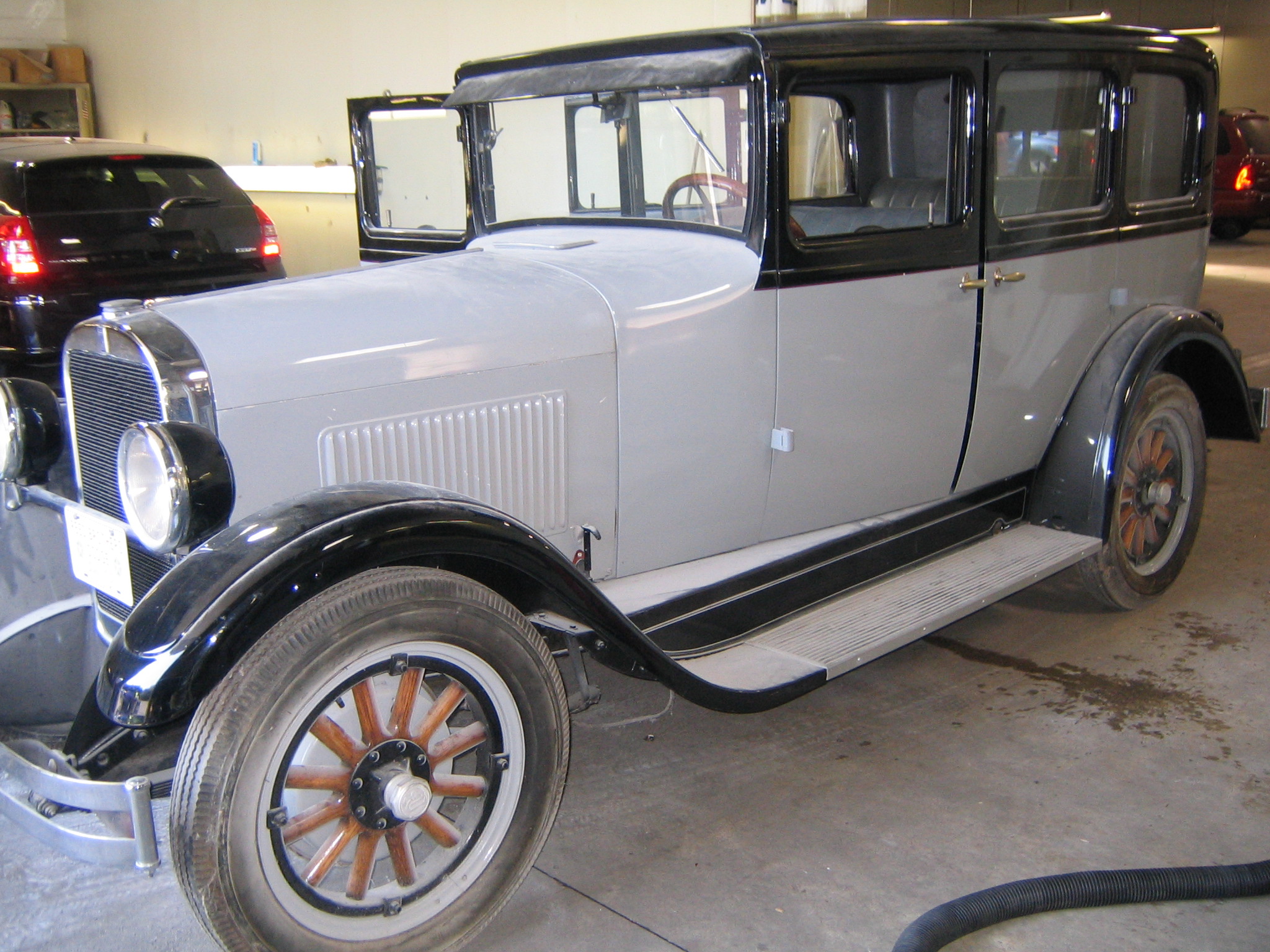
1928 Dodge Brothers Standard Six in the Service Department
Sometimes history rolls into your life when you least expect it. Over a half century ago, a phone call from a Montgomery County used car dealer changed the course of Reed Brothers’ history. The dealer told my dad, “Lee, I have something I want you to see.” What he had was a 1928 Dodge Brothers Standard Six — priced at just $100!
Lee knew the car was in rough shape, but he also knew it was something special. With its vintage charm and connection to Dodge history, the Standard Six was exactly the kind of treasure that belonged with Reed Brothers.
Reed Brothers Restoration: Preserving Automotive History
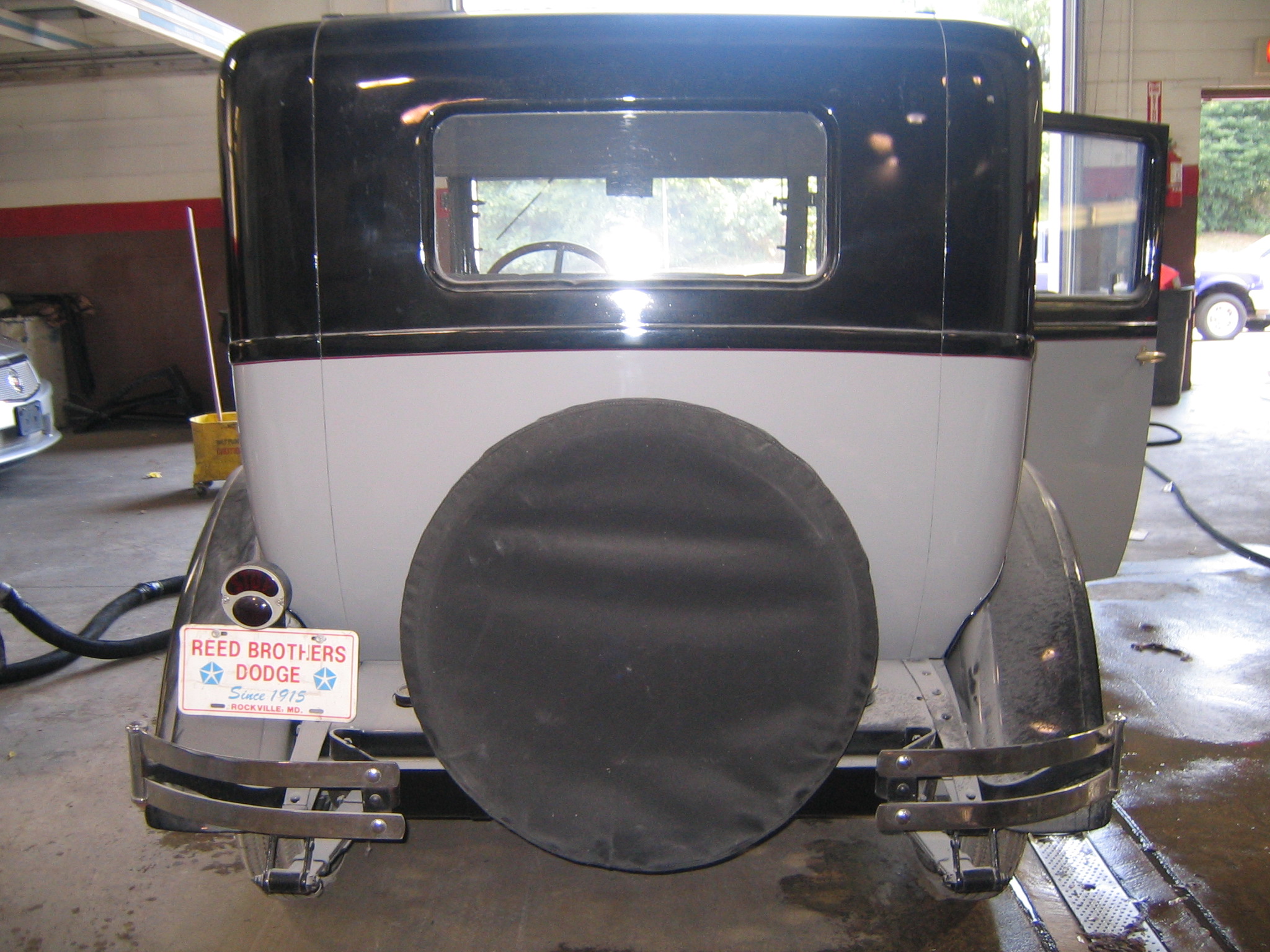
1928 Dodge Brothers Standard Six in the Service Department
In dealer ownership for more than fifty years, the Standard Six became a long-term project and point of pride. Restored and maintained by the Reed Brothers Body Shop and Service Department, the car was not just preserved but celebrated.
Originally selling for $835, the Dodge Brothers Standard Six was powered by a 6-cylinder L-head engine rated at 27.34 hp and had just 46,504 original miles. Over the decades, Reed Brothers’ Body Shop and Service Department meticulously restored and maintained it, giving the vintage Dodge a second life.
A Showroom Conversation Piece
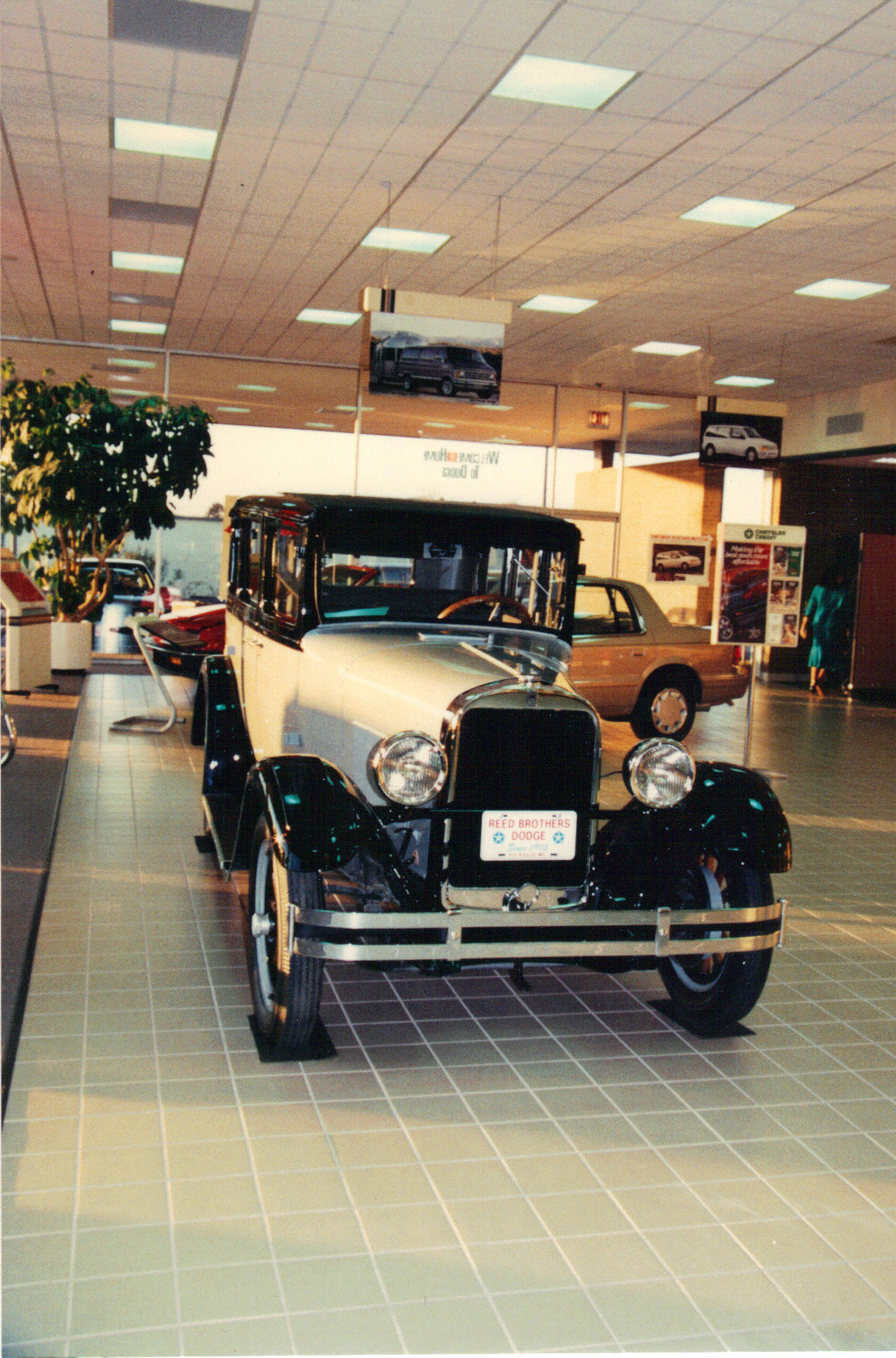
1928 Dodge Brothers Standard Six on the Showroom Floor
Once fully restored, the car was showcased prominently in the showroom, where it became more than just an antique; it was a conversation starter, a link to the past, and a tangible reminder of Dodge heritage. For years, visitors admired it, marveled at its history, and swapped their own car stories in front of it.
In 2012, with the closing of the dealership, the 1928 Dodge Brothers Standard Six ended its decades-long stay with the Reed Brothers family. But the memories of that $100 find, and the dedication it took to bring it back to life, remain an enduring part of Reed Brothers’ story.
Books

Related Resources


Copyright Notice

Reed Brothers Dodge History (1915-2012) by Jeanne Gartner is licensed under a Creative Commons Attribution-NonCommercial 3.0 Unported License.
 Reed Brothers Dodge History 1915 – 2012
Recent Comments