
During World War II Some Sent Their Sons… 5 at a Time!
With Veterans Day taking place on Monday, November 11, I would like to recognize 5 of Philip Reed’s sons who served in the military. Philip Reed was employed by Reed Brothers Dodge owned and operated by his brothers Lewis and Edgar.
According to the article below from the 1943 edition of The Montgomery County Sentinel, this was a record, taking into account a 6th son who was turned down at the induction station for failure to pass his physical examination.
Philip Reed family members who served:
Philip Reed Jr, US Army
Dwight Reed, US Army Air Force
John Beverly Reed, US Navy
Joseph Wayne Reed, US Navy
Robert Dexter Reed, US Army
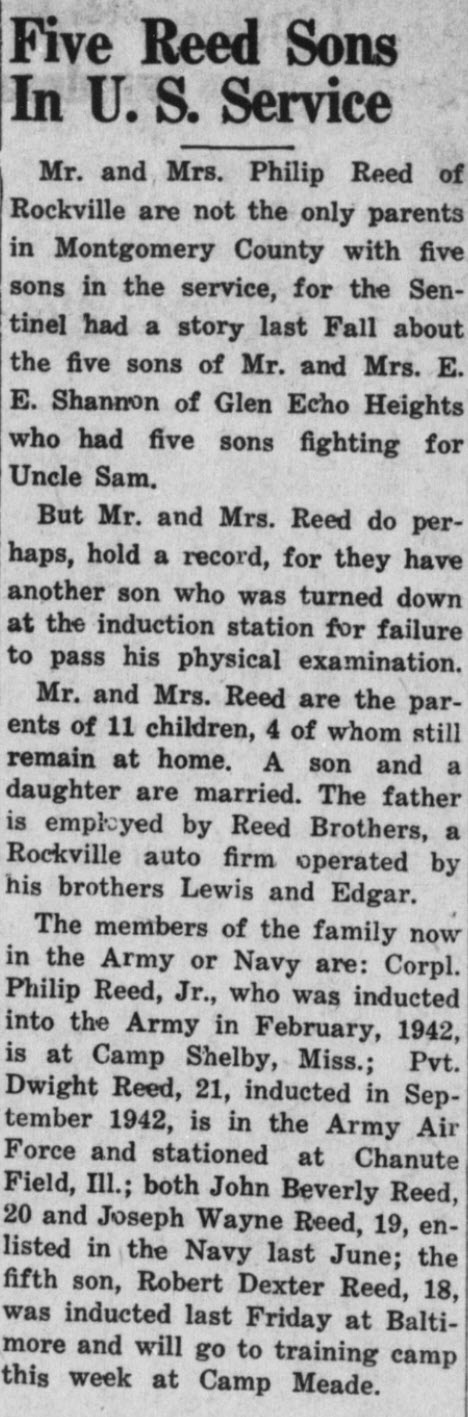
Montgomery County Sentinel, March 18, 1943
So while we honor all who served on Veterans Day, on this day, I salute Philip Reed’s five sons, and thank them for their service to our country.
Halloween in Montgomery County, 100 Years Ago
Ever wondered how Montgomery County families celebrated Halloween 100 years ago? Thanks to the these photographs from Lewis Reed’s collection, we can travel all the way back to 1914.
At the turn of the century, women often wore their regular clothes topped with homemade masks. The first Halloween costumes were usually worn by women and reflected the idea of masquerades that was extremely popular in the early 1900s. People only began to buy manufactured costumes in the second and third decades of the 20th century.

Halloween, ca. 1914. These women are holding homemade Halloween masks for their upcoming celebration. Photo by Lewis Reed
Oh the good ol’ days, when wearing a mask was enough to be dressed up for celebrations! Do you know how your ancestors’ celebrated Halloween? Newspapers are a great source to get a better understanding of life in the past. This special post is a look back through newspaper articles and Lewis Reed’s photographs at how Halloween was celebrated 100 years ago.
Stocked Stores: Stores were stocked with all the Halloween supplies needed for a fun celebration. Below is an ad for costumes and masquerade suits for those participating in Halloween parties and other seasonal affairs.

The Washington Post, 30 October 1916
Dancing and Parties: Halloween parties and dancing were enjoyed by many. Some announcements even included a list of guests in attendance!

The Baltimore Sun, Nov 3, 1912
Here is the description of a Halloween party from the Society Section of the November, 1916 issue of The Evening Star (Washington, District of Columbia):
A Halloween party was given last evening… and a merry evening spent by those present. The reception hall, living and dining rooms were artistically decorated with autumn leaves, lanterns, chrysanthemums and orange and black streamers. The evening was spent in old-fashioned games, concluding with the entire assemblage gathering about an open fireplace in the dark, while the guests were led by a ghost through various parts of the darkened home. The evening’s entertainment concluded with music, dancing and the serving of refreshments.
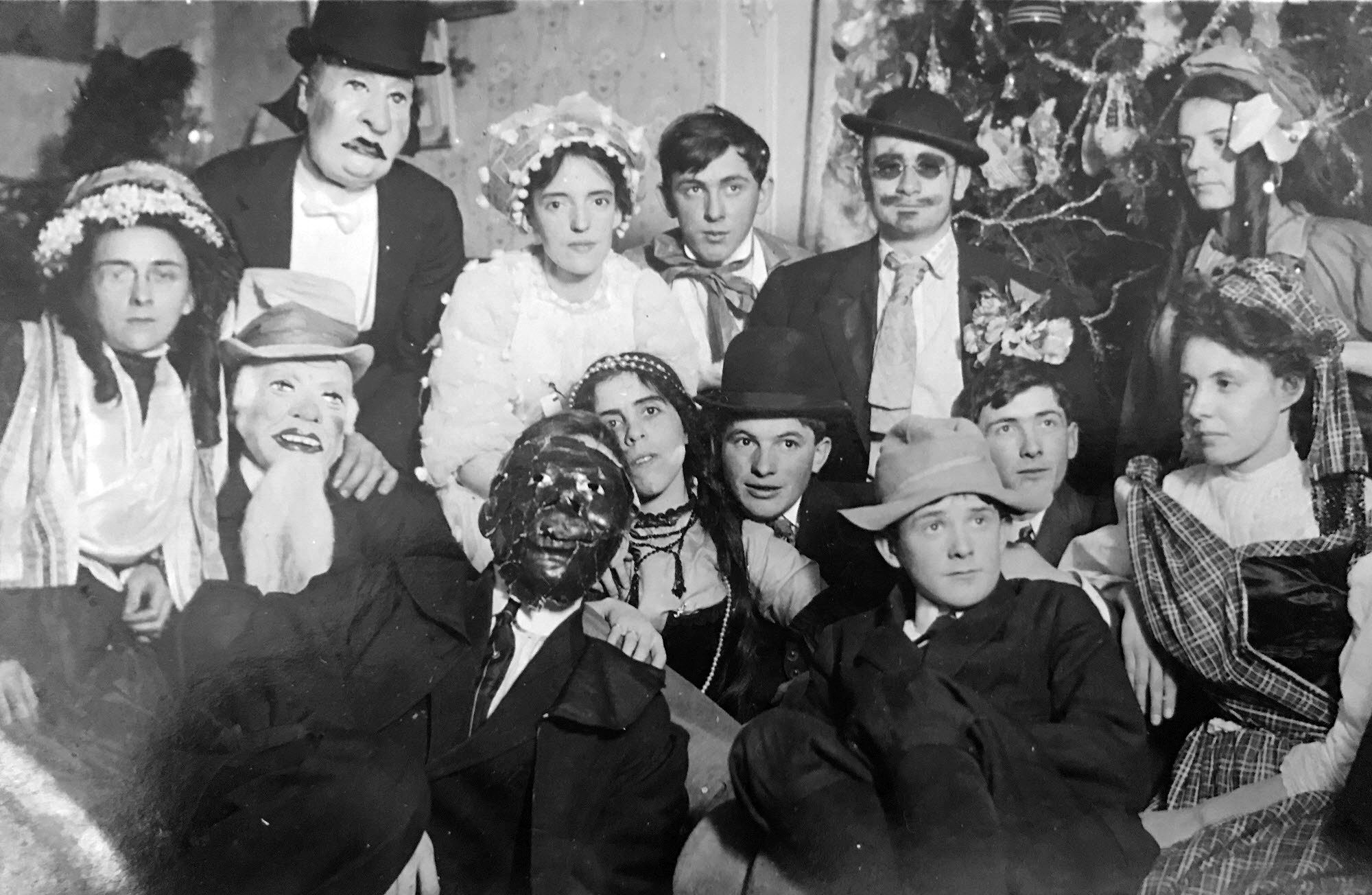
This photo captures a moment from a Halloween party over 100 years ago and is equal parts amusing and creepy. Photo by Lewis Reed
Any sort of Halloween festivities demanded some sort of refreshment. In addition to traditional pumpkin pies and molasses cookies, a suggested dish to serve at Halloween parties was a Halloween salad.

The Evening Star, October 24, 1915
Halloween Pranks: Witches and goblins, ghosts and mischief-making youngsters were permitted to enjoy all the Halloween revelry they liked … BUT DON’T THROW FLOUR. Yes, apparently in the early 1900s, there wasn’t much to do for entertainment, so kids would knock on doors on Halloween night and throw flour at whoever answered. To the modern observer, some of the traditions of Halloween 100 years ago are downright bizarre.
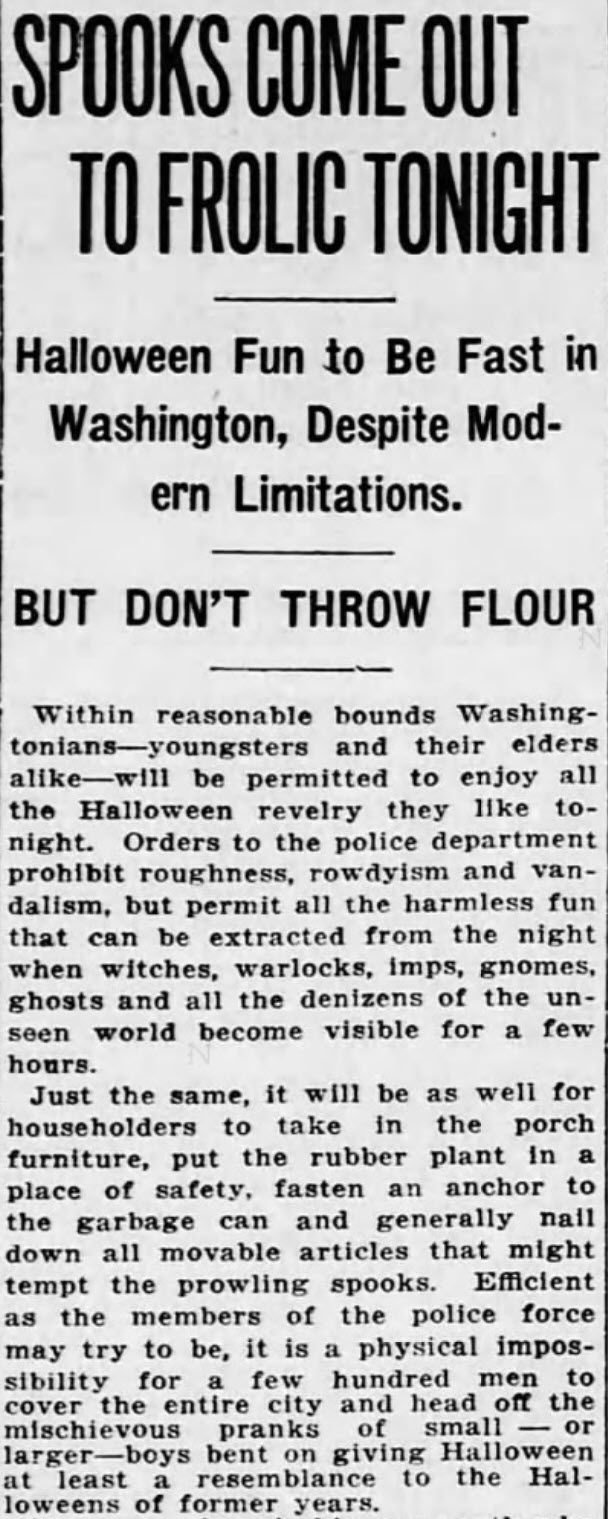
The Evening Star, October 31, 1916
Halloween Parades: Halloween parades actually began because pranks and mischief had gotten out of control. By 1920, there was a push to turn Halloween into a holiday centered around community gatherings and festive Halloween parades, rather than mischief.
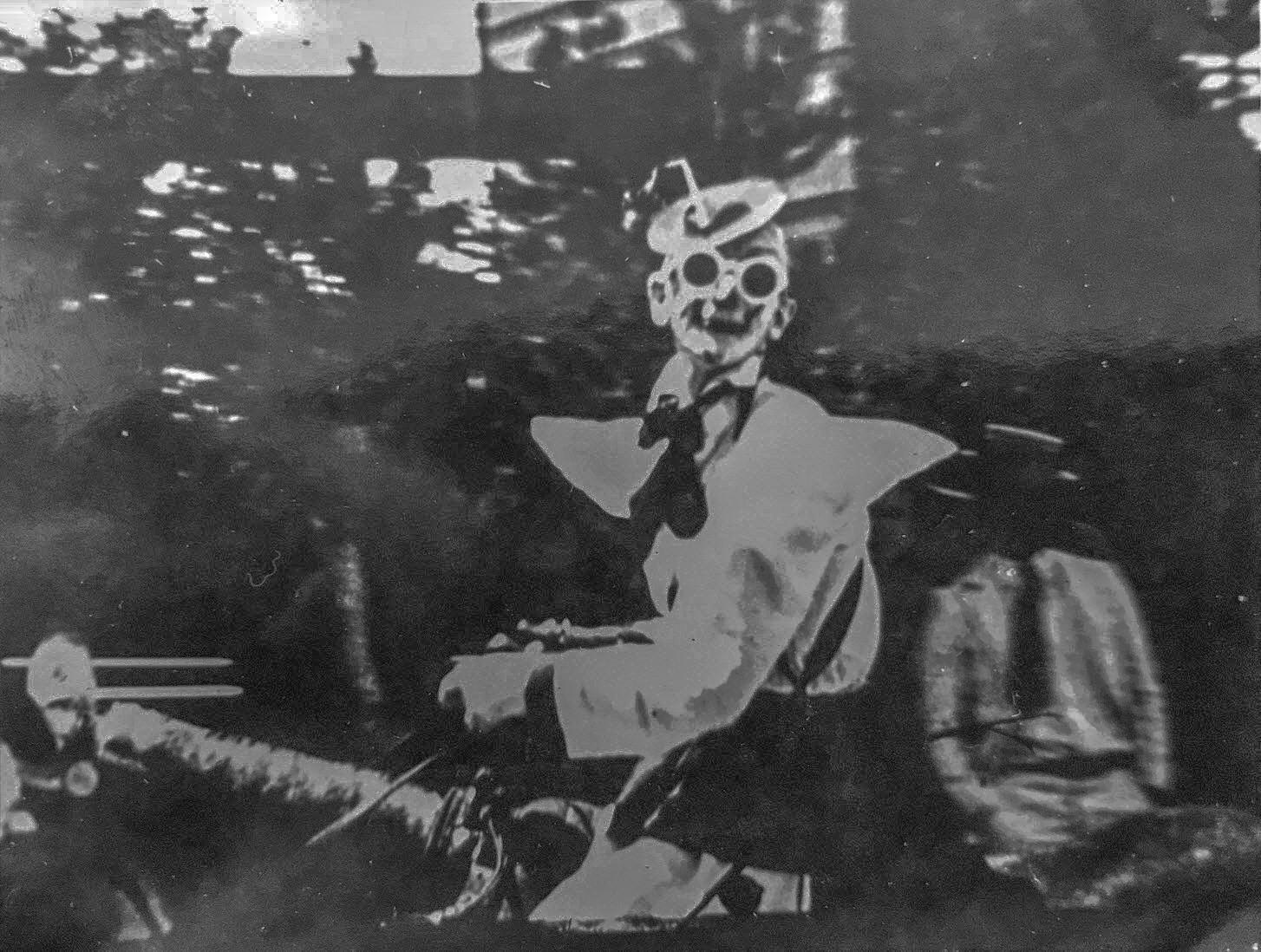
There is something undeniably creepy about this clown in sunglasses riding on a horse in a Halloween Parade. Location is unknown. Photo by Lewis Reed
Wishing all my friends, followers, and visitors of this blog a very safe and happy Halloween!
Thomas Kelley’s Pumpkin Patch
When the leaves begin to change and the air takes on a chill that means it’s time for one thing – pumpkin picking! This is a rare photograph of three well-dressed men pumpkin picking in Thomas Kelley’s field of pumpkins in Pleasant Hills, circa early 1900s. Tom Kelley farmed much of the land around the Pleasant Hills homestead and was famous for his “Kelley Corn” farm wagon of fresh dairy produce during the summer months, as well as the corn that fed visitors to the Montgomery County Fair each August and, of course, his pumpkin patch in the fall.

Pumpkin picking in Thomas Kelley’s Pumpkin Patch, Darnestown, Maryland circa. early 1900s. Photo by Lewis Reed
Then & Now: Monrovia Post Office
This post is a continuation of a series of “Then & Now” images from Lewis Reed’s Photo Collection alongside photographs of how they appear today. Lewis Reed worked hard to preserve a visual history of Montgomery County, Maryland and surrounding areas long before automobiles were even around. As early as 1905, he toured on his motorcycle across the states of Maryland, Virginia, and Washington, D.C. and took photographs of many historic locations. Taken approximately 114 years apart, you can see how the Post Office of Monrovia Maryland looks almost the same from over a century ago.
Monrovia Post Office (THEN): On November 15, 1901, the Monrovia Post Office was one of the first places in the U.S. to participate in the Rural Free Delivery (RFD) experiment established by the U.S. Post Office. RFD was established on an experimental basis in 1896. In 1902, it became an official part of the Post Office Department’s services.
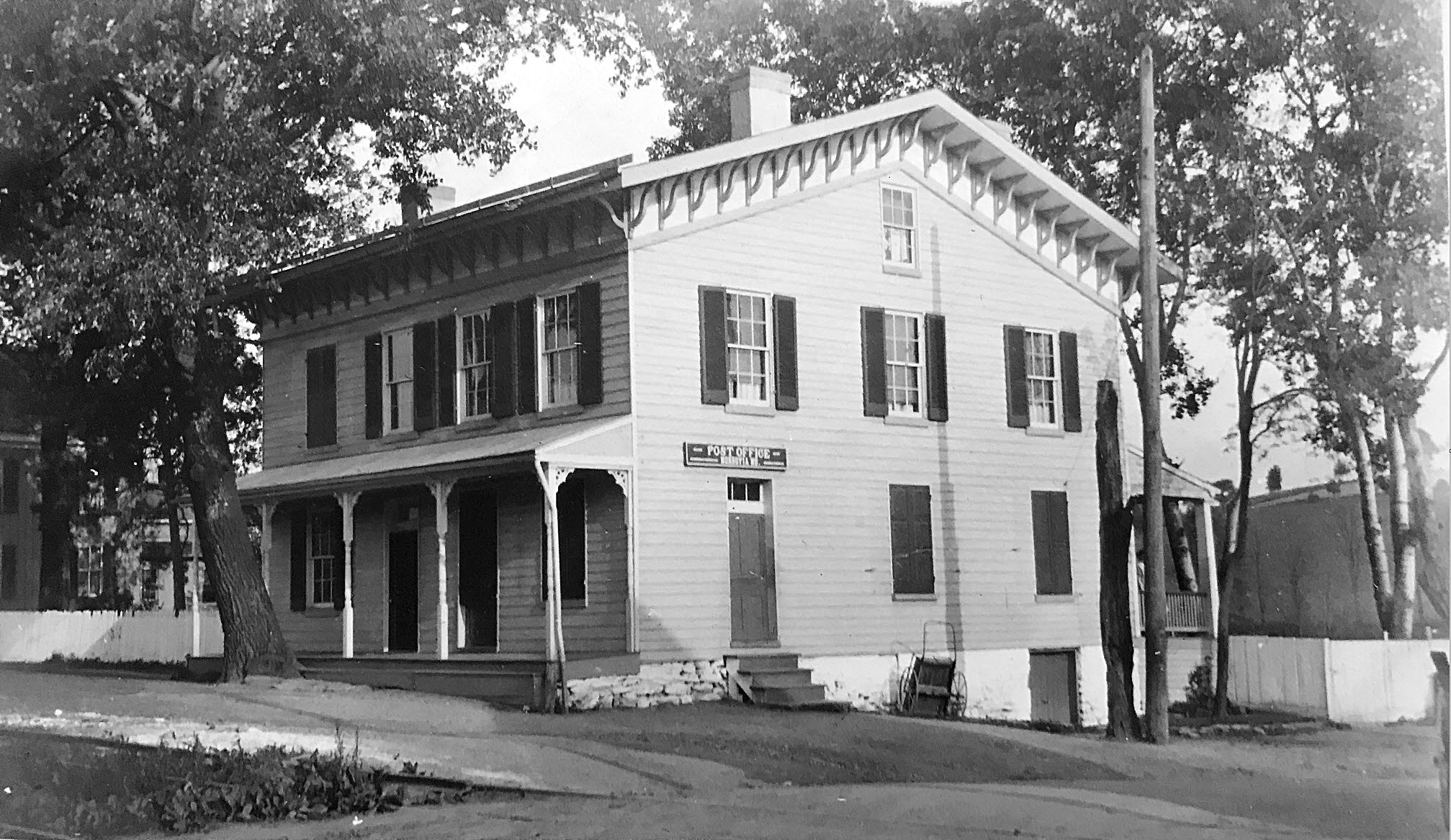
Monrovia Post Office, 1910. Photo by Lewis Reed
Monrovia Post Office (NOW): The little village of Monrovia is today not much more than an underpass, a post office, and a few abandoned buildings. The old post office building is now an Office Park area in Monrovia.
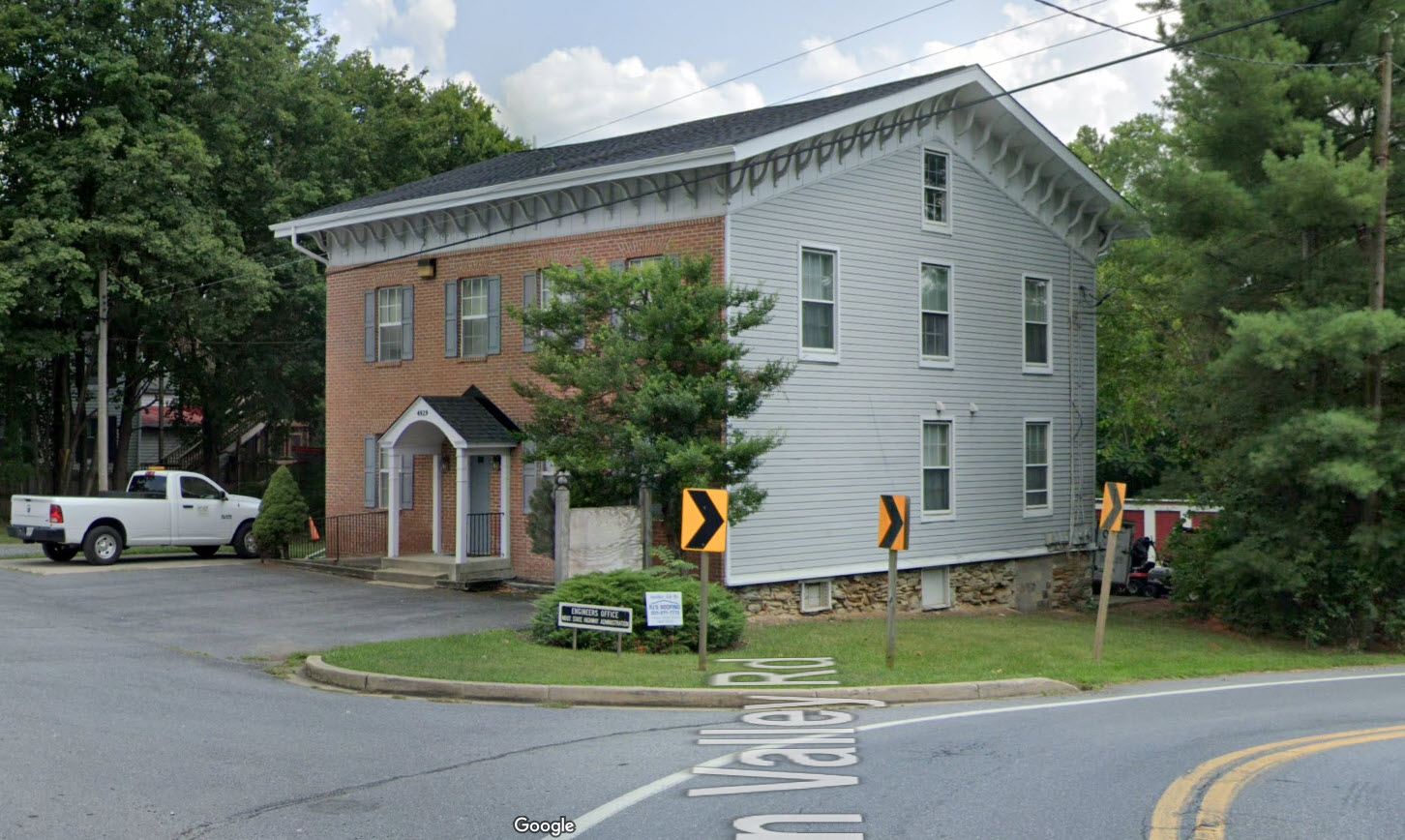
This google image of Monrovia Post Office today is still very recognizable.
Source: Wikipedia
First RDF Maryland
Montgomery History Online Exhibit: Reed Brothers Dodge

Opened September 24, 2024
Curated by Jeanne Gartner and Sarah Hedlund
Montgomery History has unveiled a new online exhibition titled “Reed Brothers Dodge – Montgomery County’s Oldest Dodge Dealership.” Officially launched on September 24, 2024, the exhibition was co-curated by Jeanne Gartner, author of the Reed Brothers Dodge History blog and co-owner of the former dealership, in collaboration with Sarah Hedlund, Montgomery History’s Librarian and Archivist.
This digital exhibition presents a comprehensive narrative of Reed Brothers Dodge, tracing its evolution from its founding in the early twentieth century through its decades of service to the Montgomery County community. Organized into distinct historical periods, the exhibition highlights rare artifacts, photographs, and memorabilia; offering insights into not only the dealership’s operations but also broader cultural contexts such as automotive service, local sports, and mid-century fashion. The full exhibition is available online at https://sites.google.com/view/reedbrothersdodge/home
Jeanne Gartner, granddaughter of Lewis Reed, founder of Reed Brothers Dodge, serves as the curator and historian behind the Reed Brothers Dodge History blog. Honored with the 2016 Arthur M. Wagman Award for Historic Preservation Communication from Peerless Rockville, the blog functions as a living digital archive that preserves the dealership’s enduring legacy and its integral role in Montgomery County’s development. Since its debut in April 2012, the site has garnered more than half a million views, documenting over a century of the family business’s history, community engagement, and contributions to the American automobile industry. Drawing from Lewis Reed’s extensive photographic collection and business records, Gartner’s work offers a richly detailed portrait of local enterprise, early transportation, and the entrepreneurial spirit that helped shape both the region and the broader American story.
Books

Related Resources


Copyright Notice

Reed Brothers Dodge History (1915-2012) by Jeanne Gartner is licensed under a Creative Commons Attribution-NonCommercial 3.0 Unported License.
 Reed Brothers Dodge History 1915 – 2012
Recent Comments