
Front-of-the-House Photography of the Early 20th Century
Get the kids, the horses, the cats and dogs, buggies and tractors. Lewis Reed is here, and it’s time to gather in front of the house for a family picture!
Front-of-the-house family photographs were popular from the 1880s through the first decade of the 20th century. Until the early 1900s, people went to the photographer’s studio in town to get a picture, a “likeness” as they sometimes called it. But soon after, the reverse was possible: the photographer sometimes came to the family house to take a picture (and yes, a single picture!).
In the early 1900s, families rarely took their own photographs. Most people would never even consider owning a camera, which then was an expensive and complicated piece of equipment. If they wanted a picture of their family or their home, they called on a photographer like Lewis Reed to take it for them.
Below are some houses on which Lewis Reed trained his lens in the first decade of the 1900s–some identified, some not–but all a fascinating glimpse into the everyday world as it was back then. As always, click on the photos to get a better look.
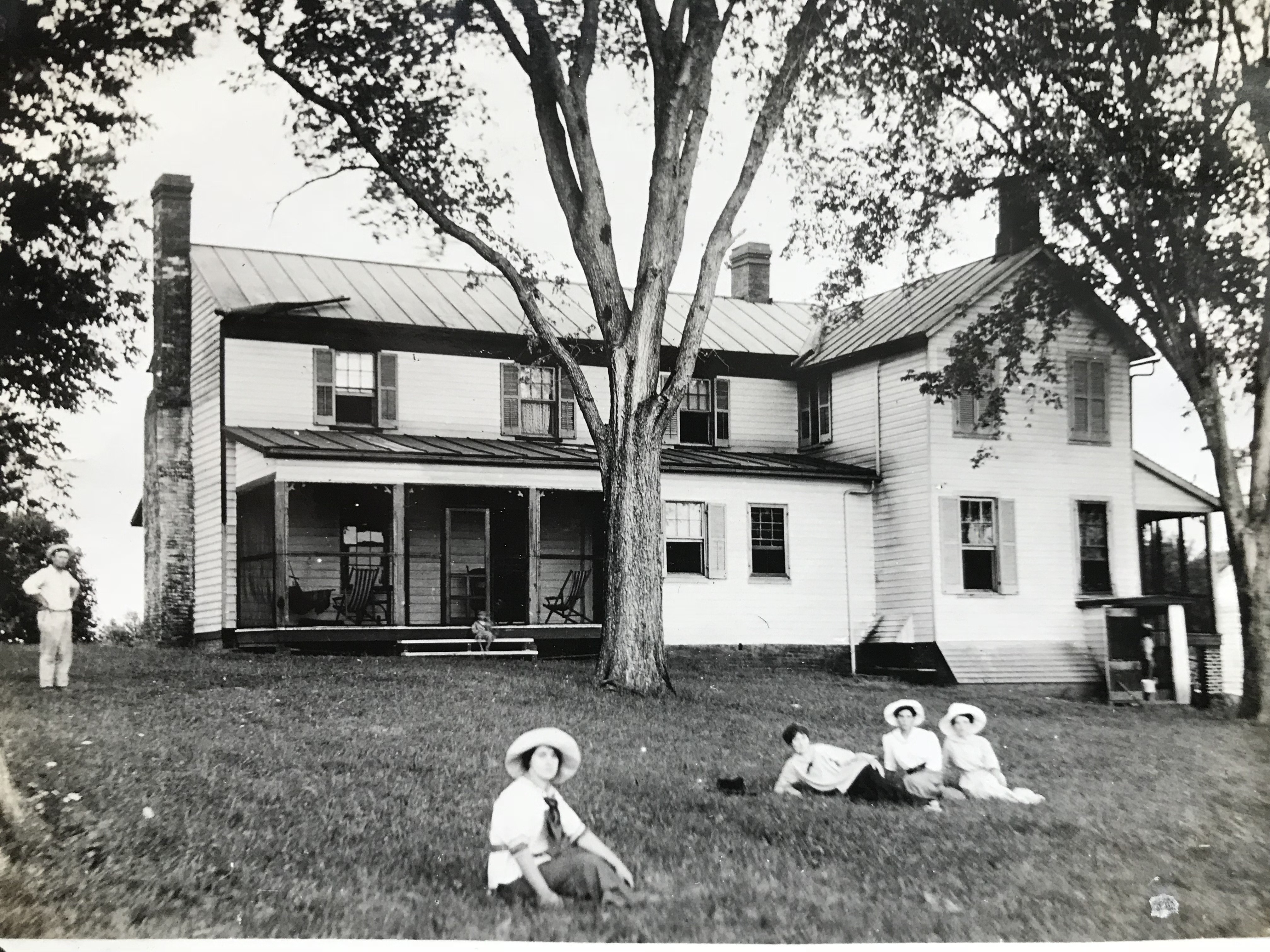
An unusual view of the backyard of a house, with its screened-in porch and children relaxing in big floppy hats.

This photo and the one below it, are very interesting in that they depict a small child posing with likely her nursemaid or a house servant who is African American, and still a child herself. Above, a view of the front porch…

…and the same house as above with the girls now playing in the side yard. The smaller child is in a buggy styled to look like a sleigh.

Here, the women of the family pose for the camera (while a young man photo-bombs from behind a bush).
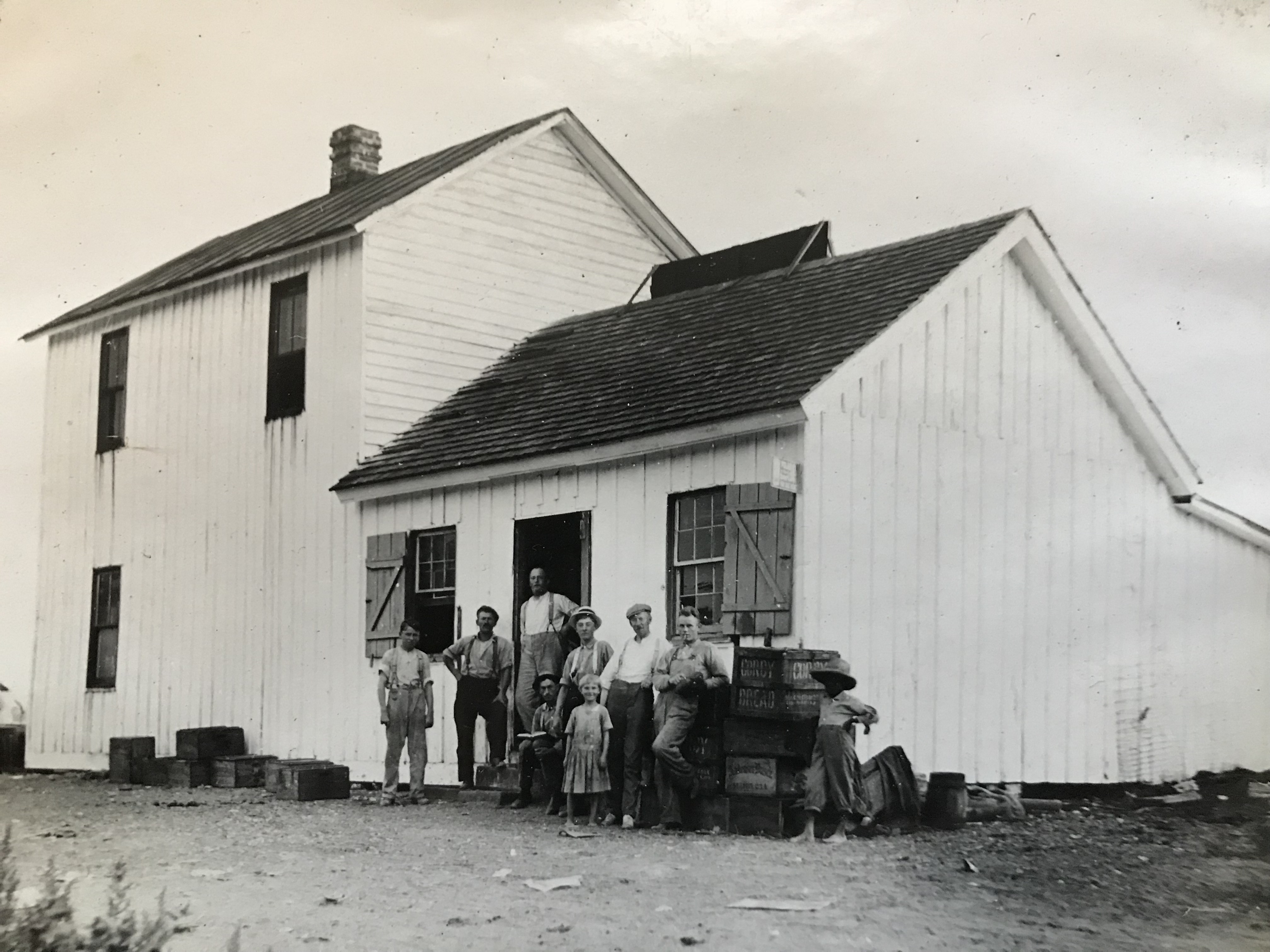
This unusual group of people posing at the back door of an unidentified building may be running a store. The crates and debris on the ground, and the back side of a possible sign on the roof indicate a mercantile rather than a home.

This family is clearly dressed in their Sunday best on a winter day. The sidewalk in front of their house is made of wooden planking.

Several women can be seen on this house’s front porch, with its flowering vines strung from trellis to rail.
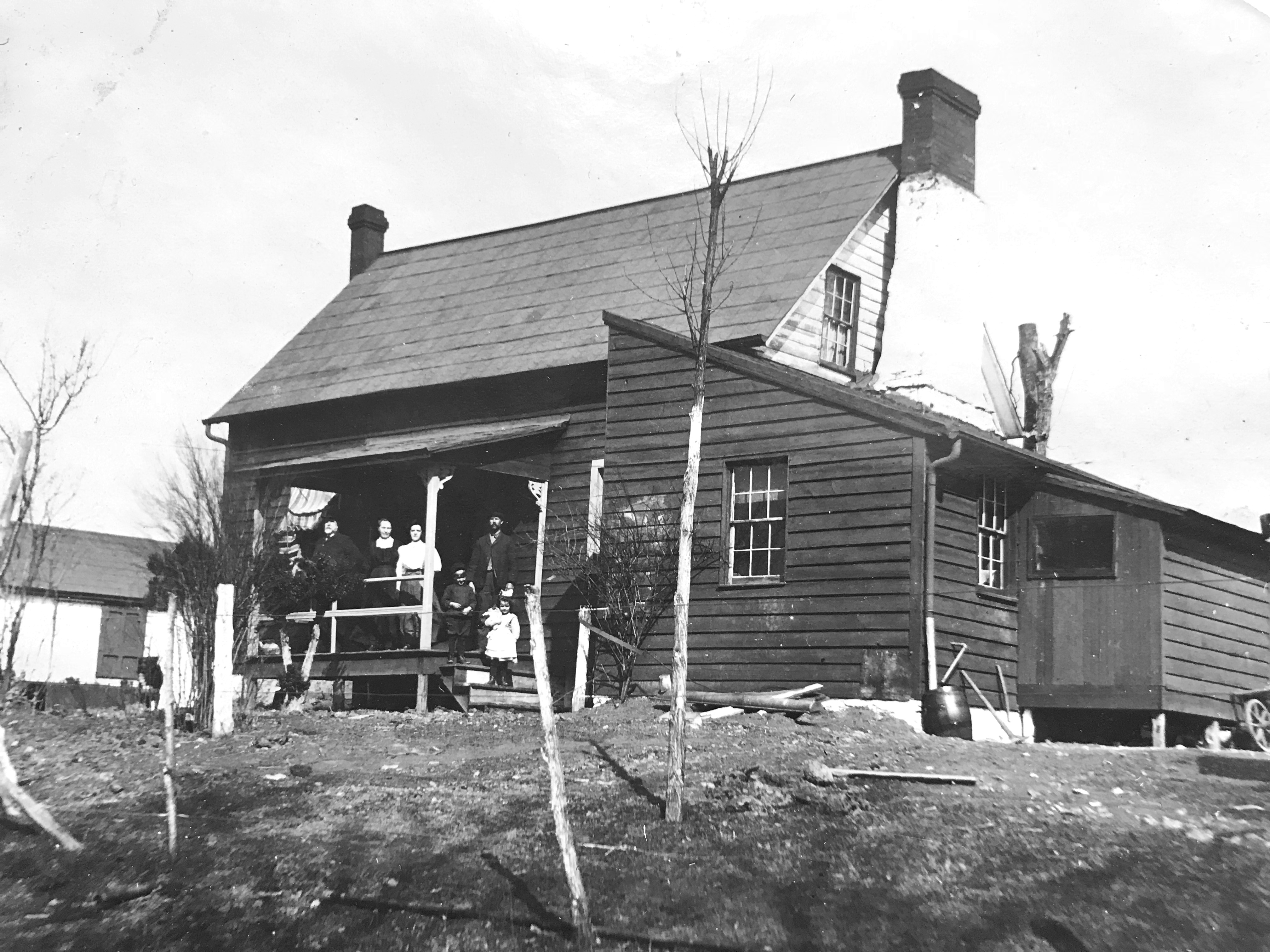
This modest house has had an addition put on–it looks rather new and perhaps Father wished to show it off. Here, a portion of the family poses on the front porch (possibly with a set of in-laws)…
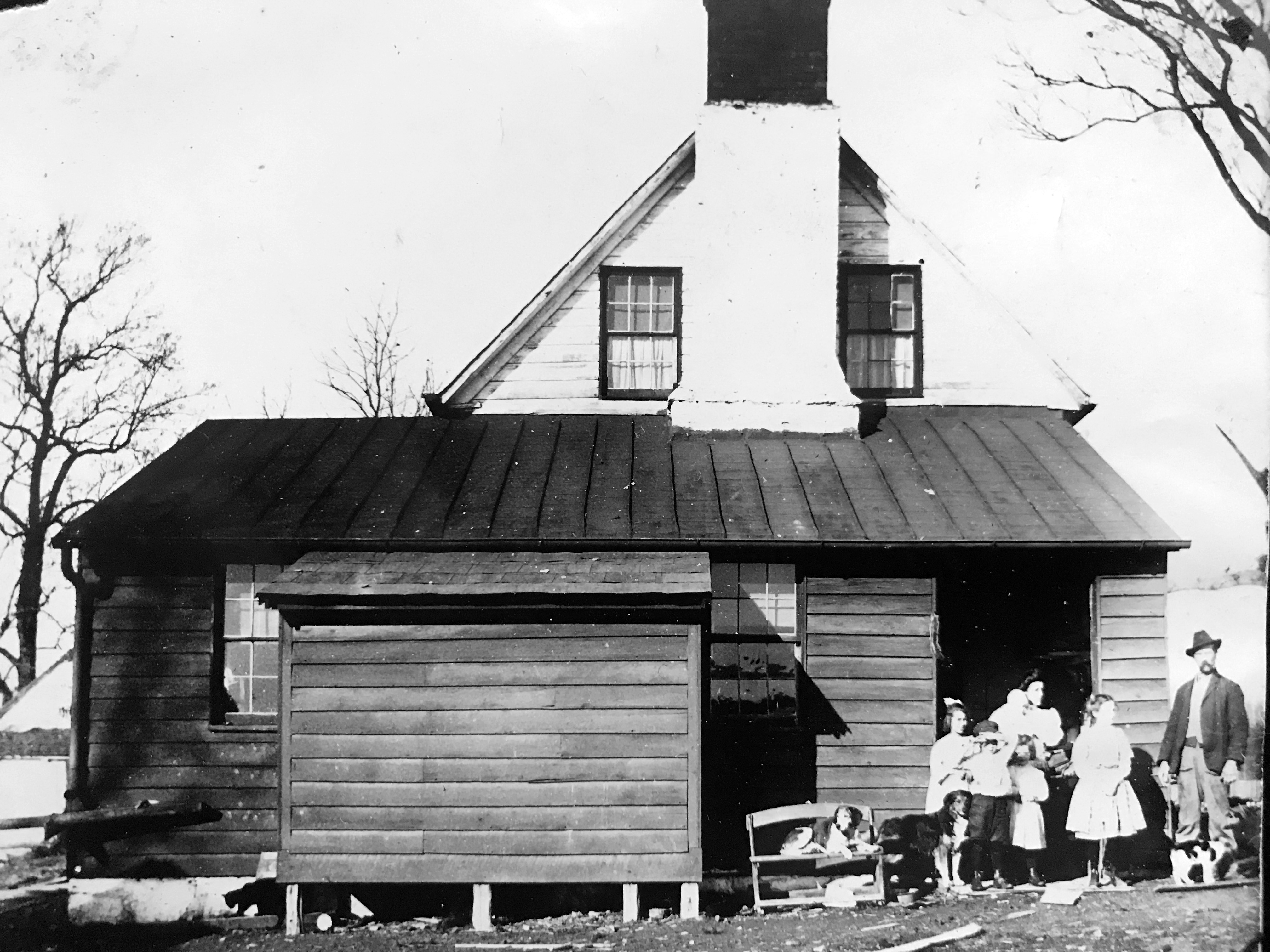
…and here a different grouping are at the side door. In this less formal shot, there are far more children, as well as two dogs and a cat in the picture.

One downside to photographing an entire house is you lose the detail of each family member. The families in this photo and the one below, clearly cared more about seeing their faces than their houses. Notice the youngest girl above couldn’t keep still long enough, so her face is blurred.
Modern observers of these photographs are often drawn to the poverty, or at least the relative poverty of the people in the images. In reality, however, the front-of-home family photograph was a sign of wealth. It’s function was to record a moment in which a family was prosperous enough to have their own homes, their own horses or tractor.

There is a chicken near the steps in the photo.
Around the turn of the century, middle class Americans could start to afford their own personal cameras.

Books

Related Resources


Copyright Notice

Reed Brothers Dodge History (1915-2012) by Jeanne Gartner is licensed under a Creative Commons Attribution-NonCommercial 3.0 Unported License.
 Reed Brothers Dodge History 1915 – 2012
Recent Comments