
From Auto Dealer to Bank Director: Edgar Reed’s Legacy of Trust in Rockville History
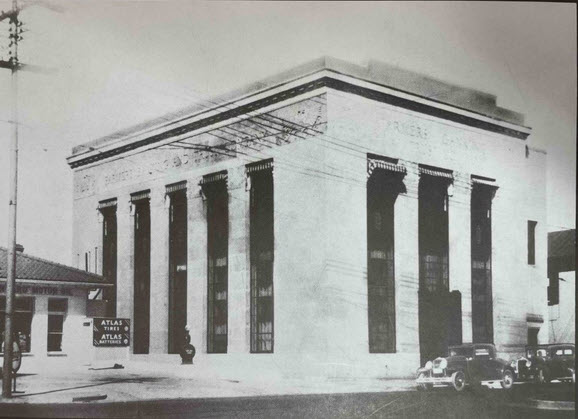
Farmers Banking and Trust building, 1930. From the collections of Peerless Rockville (Malcolm Walter collection)
For decades, Edgar Reed wore two hats that helped shape the future of Rockville. Best known as the co-founder of Reed Brothers Dodge, he was also a longtime Director of Farmers Banking and Trust Company, providing steady leadership to one of the community’s most important financial institutions while helping build Maryland’s oldest family-owned Dodge dealership.
A Timeline of Trust in the Montgomery County Sentinel
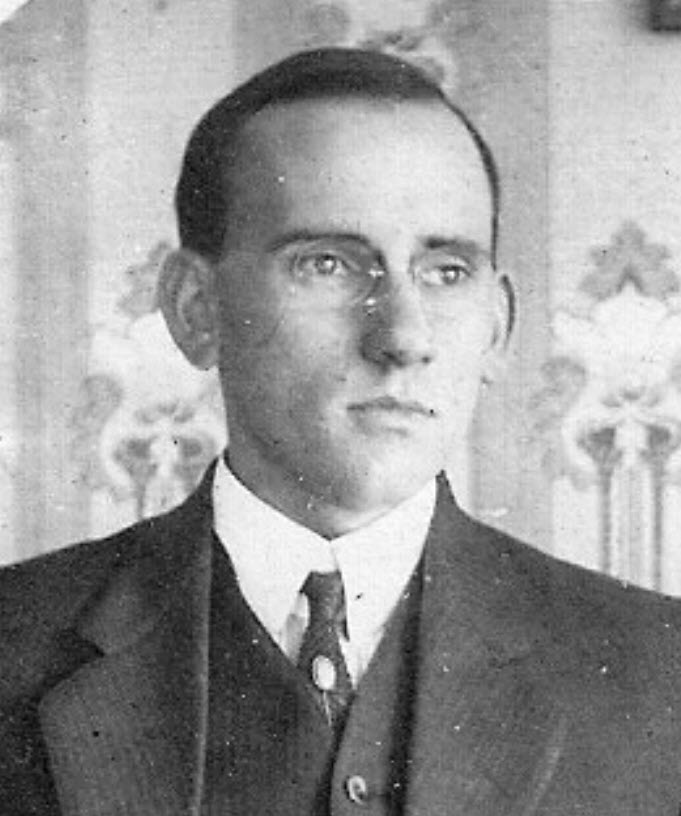
Beyond putting Montgomery County on wheels, Edgar Reed was a foundational figure in Rockville’s financial sector and civic life. In addition to his formidable 18-year tenure as a Director of Farmers Banking and Trust, he served as acting mayor of Rockville, President of the Montgomery County Municipal League, and was a charter member of both the Rockville Volunteer Fire Department and the Rockville Rotary Club.
Archival accounts from the Montgomery County Sentinel offer a vivid window into how Reed’s 18-year tenure began during one of the most volatile eras in American banking, maintaining an unbroken line of stewardship through mid-century:
- May 4, 1933 — “Richard F. Green Elected President of Farmers Bank”: Following the historic federal banking holidays of that spring, the Sentinel recorded the vital restructuring of the institution. Under the newly elected leadership of President Richard F. Green, Farmers Banking and Trust positioned itself as a bedrock of regional commerce. Edgar Reed’s appointment to this resilient board of directors signaled to local farmers and merchants that their capital was guarded by hands thoroughly invested in the community’s future.
- July 12, 1934 — Annual Meeting Updates: As the federal government rolled out stringent New Deal regulations to patch the holes in the American financial system, the newspaper reaffirmed the bank’s steady, prosperous course, detailing Reed’s ongoing, active oversight at the annual meetings.
- January 10, 1935 — “Report of Condition of Farmers’ Banking and Trust Company”: Published statements of condition from this era routinely listed the directors responsible for the bank’s assets. Reed’s name on these public reports stood as a symbol of accountability as the institution steadily rebuilt local consumer confidence during the later years of the Depression.
- January 27, 1938 — “Upper County Banks Elect 1938 Officers and Directors”: On the eve of World War II, the Sentinel highlighted the continuity of Rockville’s financial leadership, noting Reed’s steady re-election to the board as the county seat began transitioning from an agricultural hub into a modern center.
- January 13, 1944 — “Report of Condition of Farmers’ Banking and Trust Company”: In the thick of wartime home-front financing, official bank reports continued to list Reed as a vital director, steering institutional support toward war bonds and keeping local credit fluid despite strict wartime supply controls.
-
November 1, 1951 — “Edgar Reed” (Obituary): Following his passing on October 24, 1951, the Sentinel paid final tribute to Reed’s life of service. His obituary cemented his legacy not just as a pioneering auto dealer, but as an unwavering financial steward who gave nearly two decades of continuous devotion to the stability of Rockville.
A New Chapter: The Montgomery History Center
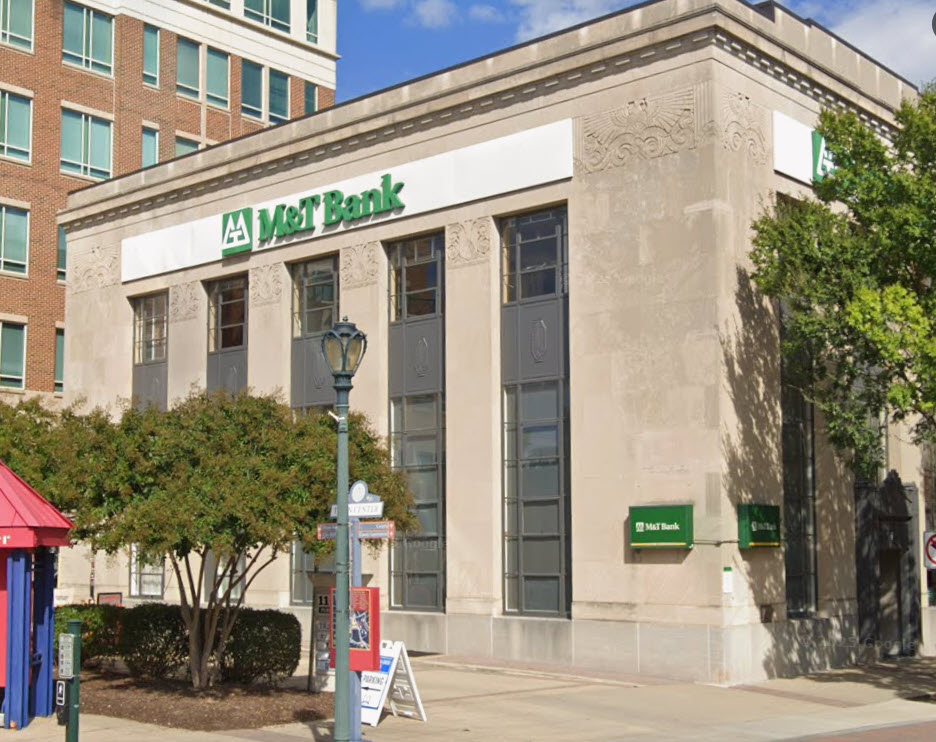
The historic Art Deco building at 4 Courthouse Square in Rockville, captured during its years operating as an M&T Bank branch prior to its acquisition by Montgomery History. (Image source: Google Street View)
In January 2025, Montgomery History purchased the historic 4 Courthouse Square building with a grand vision for its future. The organization is currently transforming the historic Art Deco structure into its permanent headquarters: the Montgomery History Center.
Scheduled to open in 2026, coinciding with the 250th anniversary of Montgomery County, the newly renovated space will serve as a vibrant community hub. The center will feature spaces for historical exhibits, lectures, and community receptions, as well as the new home of the Jane Sween Research Library and Special Collections.
Though the day-to-day records of Edgar Reed’s era are gone, the building’s legacy of serving Montgomery County endures. By adaptive reuse of this architectural landmark, the stories of early 20th-century leaders like Edgar Reed will live on, anchoring the community’s past directly into its future.
Sources of Information:
“Richard F. Green Elected President of Farmers Bank.” Montgomery County Sentinel, May 04, 1933
“Report of Condition of Farmers’ Banking and Trust Company.” Montgomery County Sentinel, Thursday, January 10, 1935
“Upper County Banks Elect 1938 Officers and Directors.” Montgomery County Sentinel, Thursday, January 27, 1938
“Report of Condition of Farmers’ Banking and Trust Company.” Montgomery County Sentinel, Thursday, January 13, 1944
“Edgar Reed.” Montgomery County Sentinel, November 01, 1951
Hedlund, Sarah. “History of the Farmers Banking and Trust Company building” February 2026.
From Rockville Garage to Reed Brothers Dodge
In early 20th-century Rockville, Maryland, a modest garage marked the beginning of a new era in transportation. From this starting point, Lewis Reed established what would become Reed Brothers Dodge; one of the nation’s earliest Dodge dealerships. Far more than a business, it grew into a lasting institution that reflected the progress of Rockville itself as the community transitioned from rural roads to suburban thoroughfares.

The dealership was originally located at the junction of Rockville & Georgetown Turnpike and Washington (Veirs Mill) Road in Rockville from 1915-1970, during which it expanded from a small-scale garage and dealership to one of the largest and most recognized commercial enterprises on Rockville Pike.
Origins of the Rockville Garage
From The Montgomery County Sentinel. May 20, 1914:
Mr. Alva Ricketts has purchased the vacant lot opposite the fair grounds, in this town, from Mr. Benjamin Haney and will in the course of a few days erect upon it a garage, in which will be kept his autos for the accommodation of the traveling public.
The Ricketts family, Leonidas “Lee” Ricketts and his sons Raymond, Emory, and Alva, managed the local Overland Agency at this pivotal location near the intersection of Veirs Mill Road and Rockville Pike from 1914 to 1915. Despite the promise of the burgeoning automobile market, the Overland Agency was short-lived. By July 1915, Lewis Reed, along with brothers Robert L. and Griffith Warfield, acquired the property from the Ricketts family and established the Rockville Garage.
Lewis Reed, originally an employee of the Rockville Garage, began his deeper involvement by purchasing a one-third interest from the Warfield brothers in January 1916. Over the next few years, his stake increased until by 1919, he became sole owner after acquiring the remainder from the Warfields. Shortly thereafter, in August 1919, Lewis’s brother Edgar joined the business, prompting the transformation of the company’s identity to Reed Brothers Dodge–marking the true beginning of a legacy that would drive Rockville’s automotive future for generations to come.
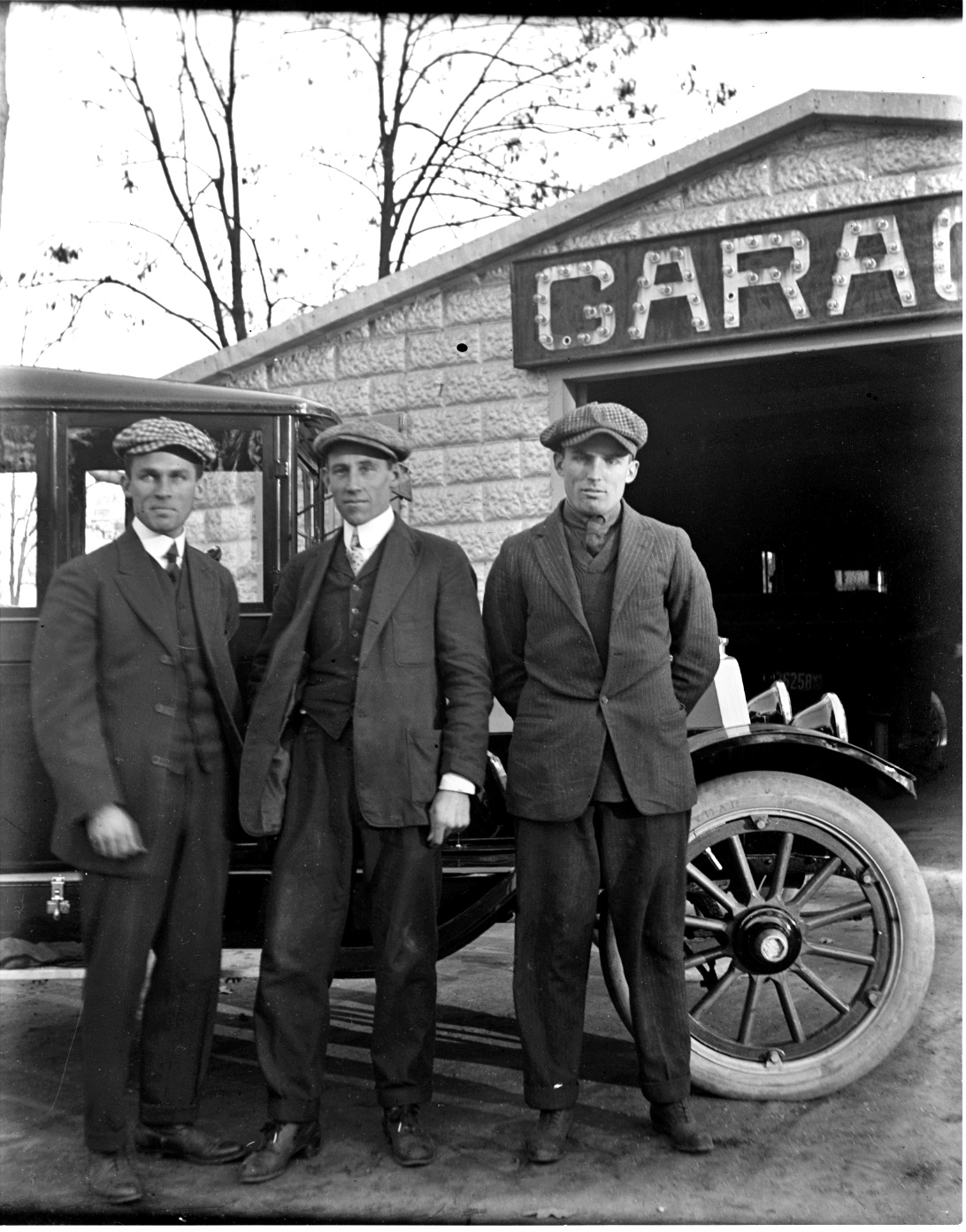
Original owners of the Rockville Garage, 1916. L-R: Roy Warfield, Lewis Reed, Griffith Warfield
The Rockville Garage: A New Era in Transportation
At a time when horses and wagons still crowded the streets of Rockville, the garage provided a range of critical services to early motorists, from fuel and tire repair to mechanical work. The business quickly became more than just a repair shop; it was a gathering place for locals fascinated by the emerging world of motor travel. Visitors could fill up with gasoline, get their cars serviced, or simply stop to marvel as these novel machines rumbled along Rockville Pike.
A Dodge Brothers Franchise
In October 1915, Reed Brothers took an important step that would define its trajectory for the next nine decades: it became one of the nation’s first Dodge Brothers Motor Car dealerships. This move reflected the Reeds’ forward-looking vision and their confidence in the automobile’s growing role in American life. The Dodge franchise brought credibility, new customers, and a steady stream of business opportunities for Reed Brothers, marking the transition from a small-town garage to a full-service dealership.
The First Building to Display the Reed Name
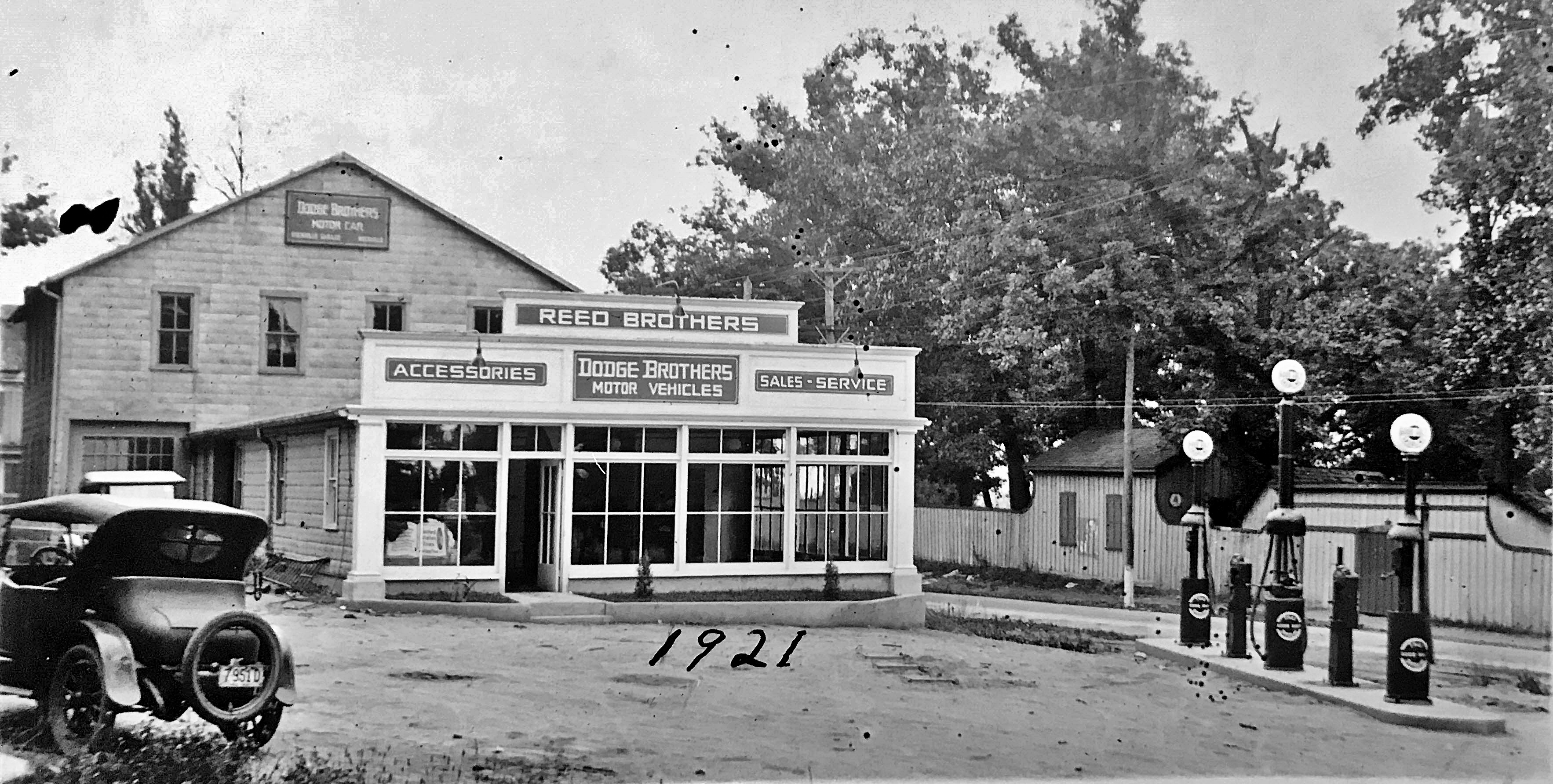
Reed Brothers Dodge got a new remodel in 1921. Note the new signage and three new modern gas pumps. The Rockville Fair Grounds are beyond the boarded fence on the right.
This 1921 photograph captures an important milestone in the history of Reed Brothers Dodge. Shown above is the first building to display the Reed Brothers name across the front, proudly advertising “Dodge Brothers Motor Vehicles Sales & Service.” With its remodeled façade and a row of brand new gas pumps out front, the building symbolized the dealership’s growth from a small garage into a full-service automobile business.
The addition of gasoline pumps was significant, marking the transition into a one-stop location where customers could not only purchase and service their Dodge vehicles but also fuel them conveniently on site. This was the earliest step in Reed Brothers’ evolution into a modern dealership; and the first time their name became a landmark in the Rockville community.
Serving Montgomery County Through the Years
Over the decades, Reed Brothers Dodge grew right alongside the county it served. As farming communities gave way to new neighborhoods, and Route 355 became one of Maryland’s busiest thoroughfares, the dealership adapted to meet the changing needs of its customers. The business expanded its showroom, introduced innovative advertising campaigns, and built a reputation for honest service and long-term customer relationships.
During the mid-20th century, Reed Brothers Dodge wasn’t just a place to buy a car; it was part of the fabric of Rockville life. Generations of local families purchased their first cars there, passed them down, and returned when it was time to buy the next one.
A Family Legacy
What set Reed Brothers apart from many other dealerships was its strong sense of continuity and stewardship. For more than 97 years, the dealership remained under the careful management of the Reed family, embodying values of integrity, community service, and dedication to employees. This family-run aspect fostered deep loyalty among customers and helped the dealership weather the ups and downs of the automotive industry.
The End of an Era, the Preservation of History

Reed Brothers Dodge in Rockville, Maryland, circa 2006, captured near the end of its nearly century-long legacy as one of the oldest family-owned Dodge dealerships in the nation.
When Reed Brothers Dodge eventually closed its dealership doors after more than 97 years, it left behind more than just a business. It left a legacy that continues to resonate in Montgomery County’s history. From the original Rockville Garage to the modern dealership that bore the Reed name, the enterprise represents an important chapter in how automobiles reshaped the physical and social landscape of the county.
The Reed: A Legacy Remembered
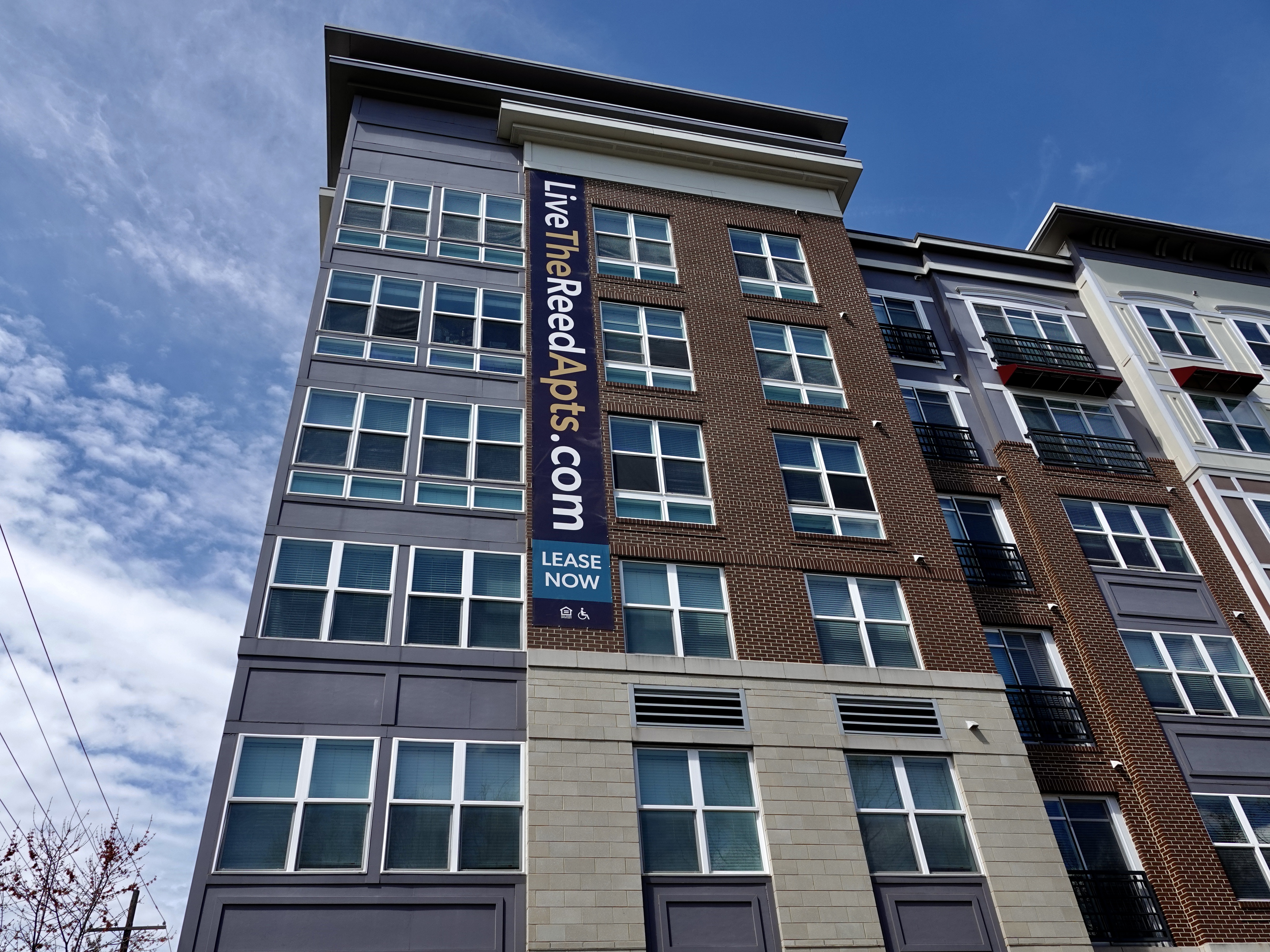
The Reed apartments in Rockville, named in tribute to the historic Reed Brothers Dodge dealership that once stood on this site.
Today, the dealership’s legacy endures not only in history but also in the fabric of the community. The modern apartment complex known as The Reed, located on the former site of Reed Brothers Dodge, was named in tribute to the pioneering dealership and the family whose business helped shape Rockville’s identity for nearly a century. In this way, the Reed name continues to stand as a landmark of resilience, progress, and community presence – just as it did when the first automobiles arrived on Rockville’s streets.
Books

Related Resources


Copyright Notice

Reed Brothers Dodge History (1915-2012) by Jeanne Gartner is licensed under a Creative Commons Attribution-NonCommercial 3.0 Unported License.


Recent Comments