
1918: Rockville Garage Displaying New Cars at Rockville Fair Grounds
An annual County Fair used to be held for four days in the month of August at the old Fairgrounds of Rockville, Maryland. Families came from every section of the Montgomery County in wagons and carriages, and stayed for the duration of the Fair. Harness racing was one of the main attractions, but the Fair also provided other events such as horse pulls, games of chance, showing of prized livestock and poultry, needlework, homegrown produce, baked and canned goods. A building called the Exhibit House displayed the prize-winning entries of the various categories.
The Fair also gave automobile dealers the opportunity to display their new models. Below is new car show time as fair-goers get their first glimpse at the latest models that Rockville Garage had to offer. Initially, Reed Brothers sold Oldsmobile and Hudson, along with Dodge.

1918 – Hudson Super Six, Oldsmobile, and Dodge Brothers Motor Cars on display. Lewis Reed in drivers seat.

1918 – Rockville Garage displaying their new models at the Rockville Fair Grounds
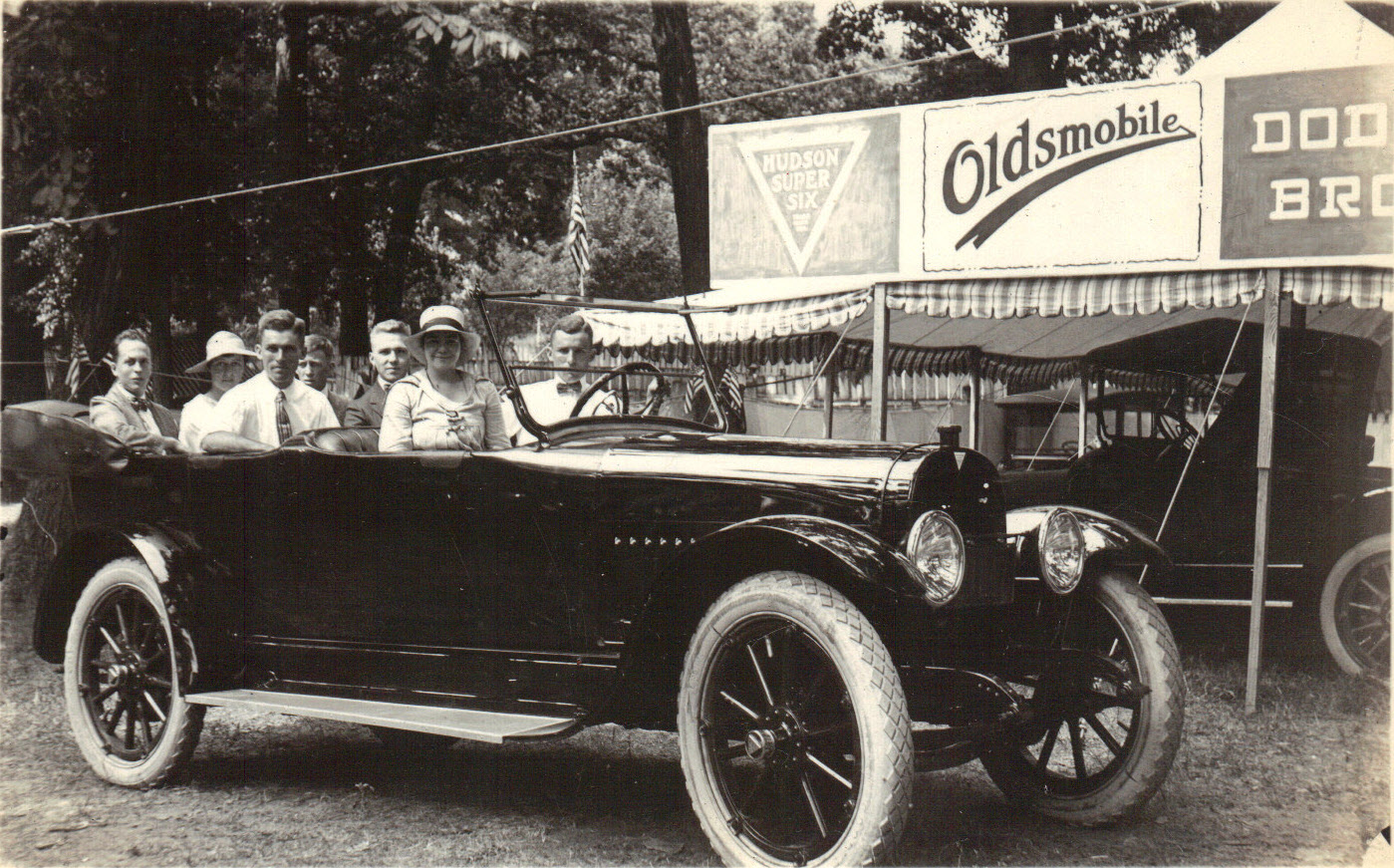
Anybody for a demonstration drive?

1918 – At Your Service Rockville Garage. Lewis Reed on the left
Source: History PDF
Vintage Dodge TV Commercials
I like to browse YouTube for old school car commercials occasionally to reminisce, or at least in a few cases, watch clips from a time before some of us were even born. So take a trip down memory lane and enjoy watching these cool, vintage Dodge TV commercials.
Rockville Garage

1916 Rockville Garage
Many early car dealers grew out of existing garages. Lewis Reed became a partner in Rockville Garage with Robert L. and Griffith Warfield. The Warfield Brothers had purchased this building in July 1915, from Lee Ricketts and Sons who had the Overland Agency. The business continued to operate under the old name until it was changed at the suggestion of the late Judge Edward Peter shortly after Edgar Reed joined his brother.
The first shop force of Rockville Garage consisted of Lewis Reed, Philip Reed and (first name unknown) Long. A third brother, Philip Reed, came to work for them in 1916 as a mechanic until 1944. A mechanical aptitude was necessary to be a dealer in the early 1900’s. When the cars were shipped to the dealer from the manufacturer they were only partially complete and they needed final assembly, so the new dealer quickly became skilled at repair.

Lewis Reed, Philip Reed and (first name unknown) Long.
Lewis Reed received his training at the Pierce Arrow factory at Buffalo, New York, the Dodge and Hudson factories at Detroit and the Washington Auto College. Pierce-Arrow was once one of the most recognized and respected names in the automobile industry. For 38 years, the Pierce-Arrow Motor Car Company in Buffalo, New York, produced some of the finest automobiles made.
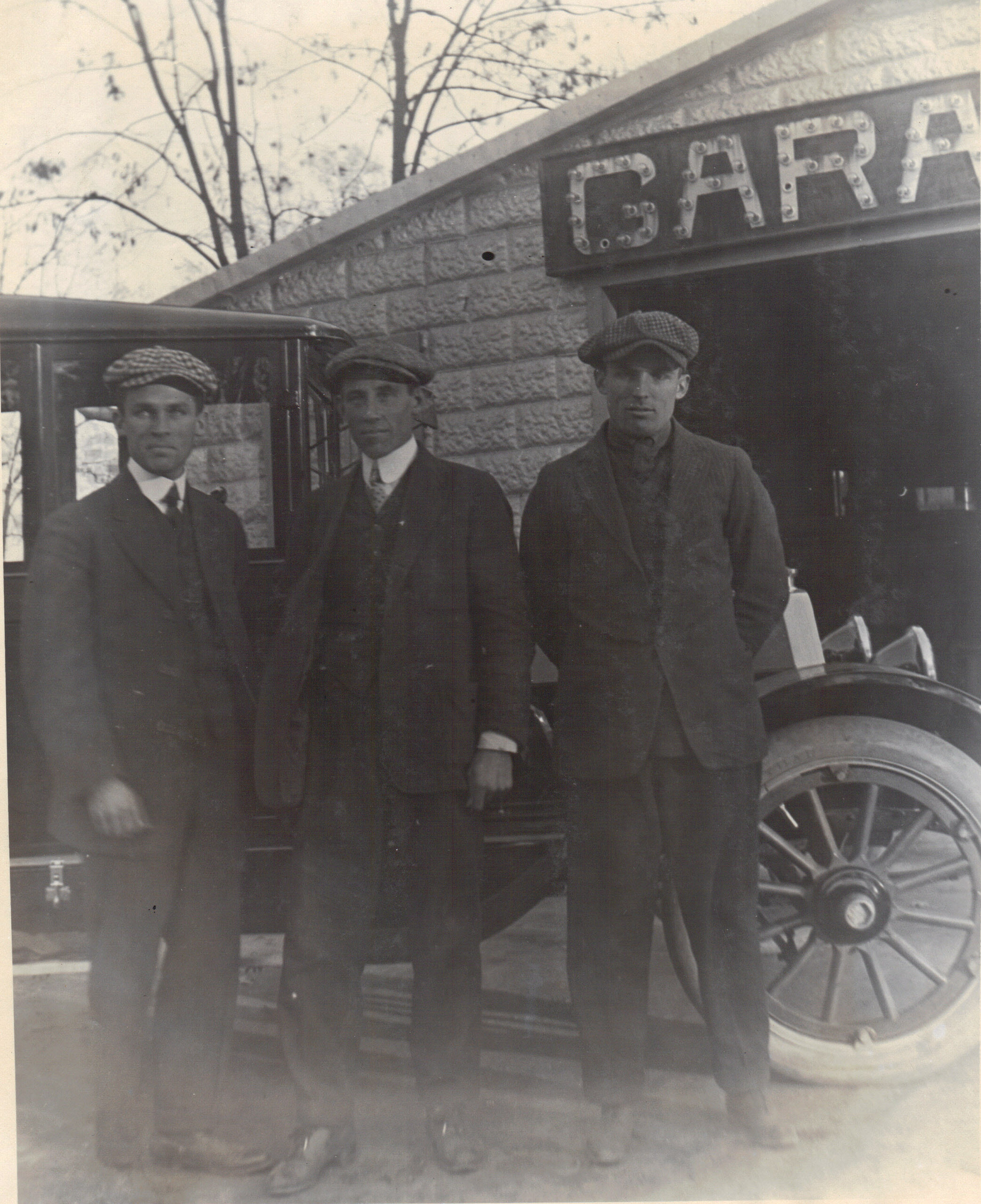
1916 – The original owners of Rockville Garage. From left: Roy Warfield – Lewis Reed – Griffith Warfield
In 1918, Lewis Reed bought out Rockville Garage from the Warfield’s and changed the name to Reed Brothers Dodge. Reed Brothers Dodge was the first to sell Dodge cars in Montgomery County, Maryland. Initially, Reed Brothers sold Oldsmobile and Hudson, along with Dodge. Later they became Dodge Plymouth dealers.
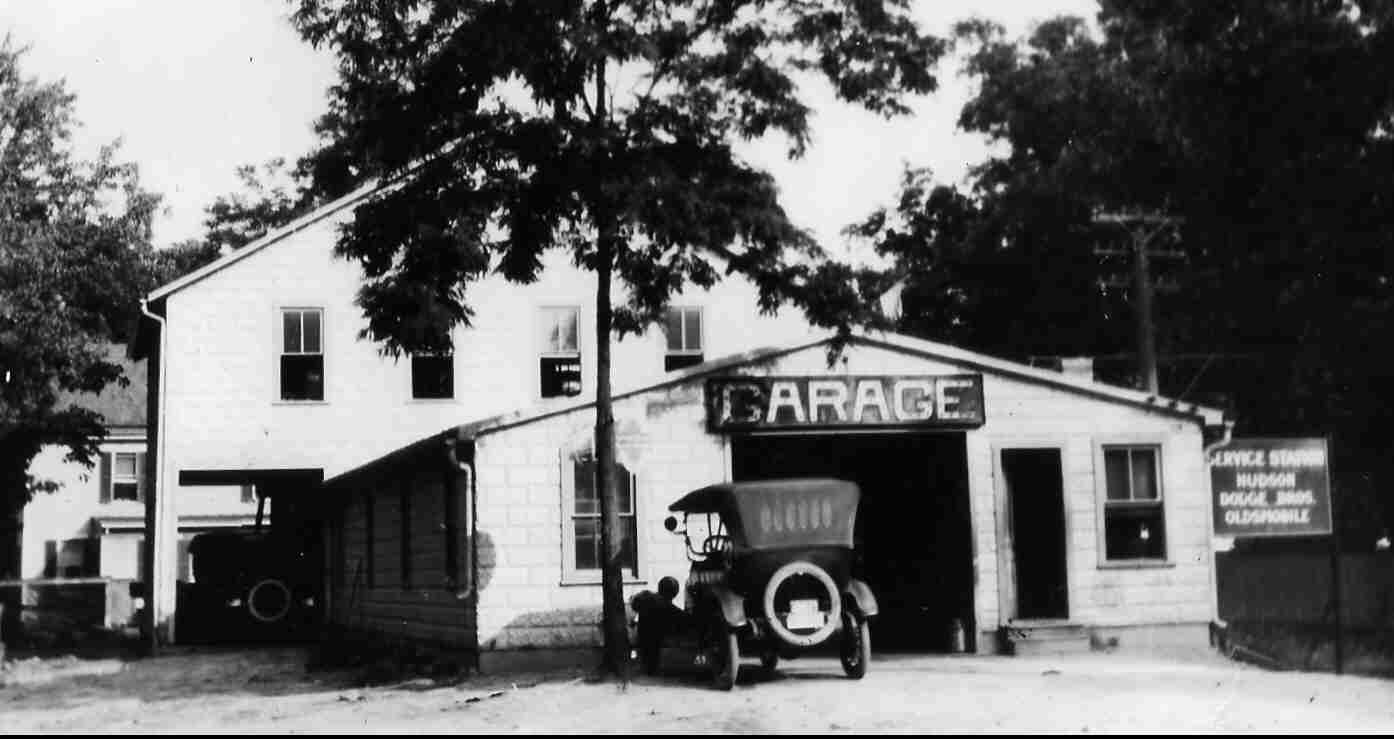
1917 Rockville Garage
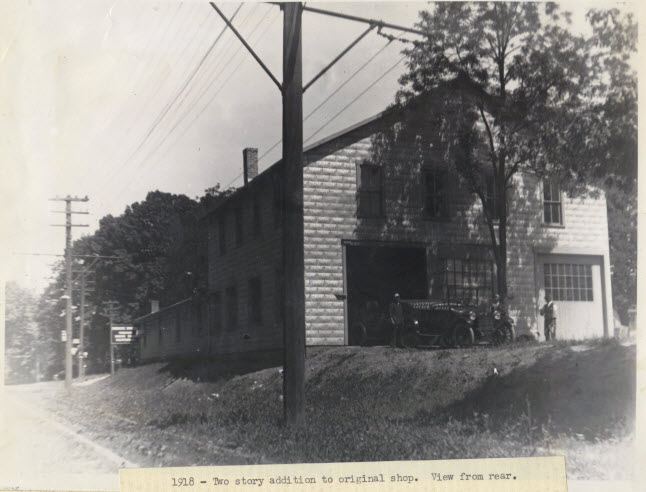
1918 Two Story Addition to Original Shop. View From Rear
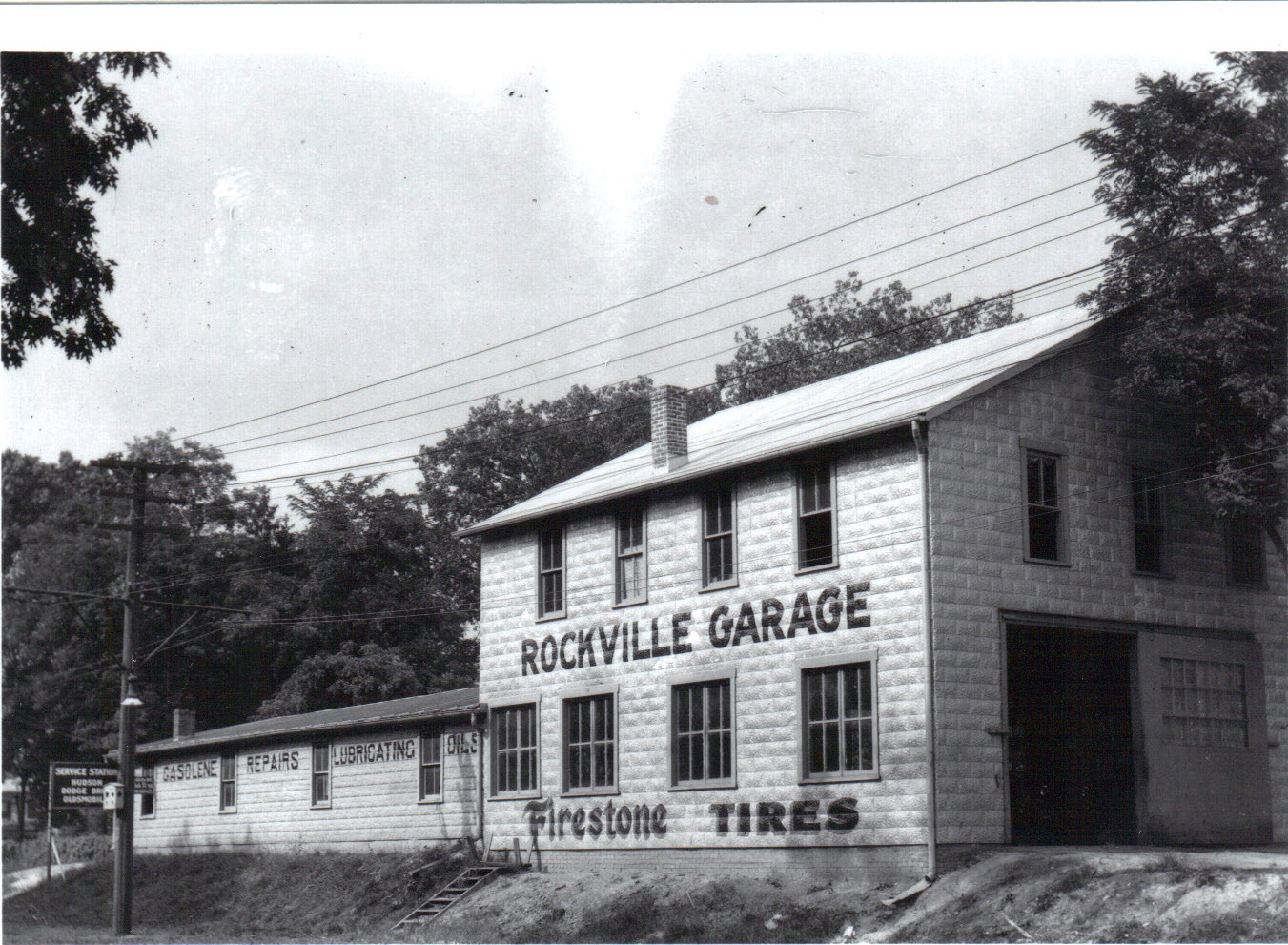
1918 Two Story Addition to Original Shop. View From Side
Suicide Doors
Reed Brothers Dodge owned a 1928 Dodge Brothers Standard Six with rear-hinged suicide doors.

1928 Dodge Brothers Standard Six
So why are these doors called suicide doors? Did someone commit suicide with one? What’s suicidal about a door?
The theory is that the forward motion of the car could cause the door to fly open, possibly causing the unlucky person sitting next to the door to be pulled out of the car, or the door itself could be ripped from its hinges. It’s debatable as to whether this was speculation or reality, but cars of this era did not have seat belts, so there was nothing to hold a passenger in the car.
The term “suicide doors” was therefore placed on vehicles with the rear-hinged door configuration, the theory being that anyone inside was on a suicide mission because of the design.
Farming Out Business
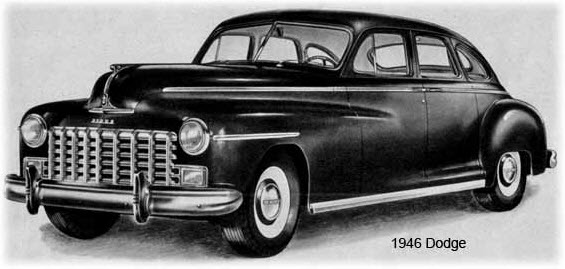
During World War II, Reed Brothers Dodge had no new cars to sell for three and a half years. When manufacturers halted car production and many dealers went bankrupt, Lewis Reed converted his car showroom into a display room and sold GE washing machines and other large appliances to fill the gap. After the end of World War II, the car boom came and the automobile assembly lines were back in action. The first car after the war was the 1946 Dodge, which sold for about $800.
Car salesmen back in the 1940s would drive as far as 35 miles to deliver cars to their spread-out farmer customers. Lewis Reed allotted specific sales territory to his salesmen in four different directions from the dealership. The salesmen spent all day in the outlying areas, because the farm people in Poolesville, Rockville, Barnesville and Spencerville had no time to go to a showroom. Lee Gartner (Lewis Reed’s son-in-law) spent his summers on his grandfather’s farm and it was Mr. Lewis Reed who brought his grandfather’s car to him. Three of the four salesmen at the time were Francis O. Day, Raleigh S. Chinn and Benjamin Thompson.
At that time, Reed Brothers was selling about eight new cars a month and most sales resulted from knocking on people’s doors. It was direct person to person sales contact, relationship building and trust – all built and sealed on a handshake.
Books

Related Resources


Copyright Notice

Reed Brothers Dodge History (1915-2012) by Jeanne Gartner is licensed under a Creative Commons Attribution-NonCommercial 3.0 Unported License.


Recent Comments