
Two Years, 77 Posts & Thank You
 Today marks the two-year anniversary of this blog. It’s been an honor to share the history of Reed Brothers Dodge – whether you’ve read our blog, followed us on Twitter, or “liked” us on Facebook. I would like to thank those mentioned below, and many others, for their kind words and the visibility they have provided.
To help review the past year I thought I’d search around on the Internet and see what others have been saying about us.
Included among the posts on our Facebook page:
“… you have a lot of Rockville History on that site!!!!”
Other mentions online and in print:
- Hemmings Daily Blog Four-Links – NYC cop car show, Reed Brothers Dodge history, coachbuilder Mark Nugent, microcars in the Pacific Northwest – posted a photo of of Reed Brothers Dodge and blogged about us. Photo caption:
“Reed Brothers Dodge has been in business in Rockville, Maryland, since 1915, almost as long as Dodge has been around. Unlike most new car dealerships, though, Reed Brothers cares enough about its heritage to have put together a nice website with plenty of vintage photos and history of the dealership.”
Responses to “Four-Links – NYC cop car show, Reed Brothers Dodge history, coachbuilder Mark Nugent, microcars in the Pacific Northwest”
“In the same week where we’re all extremely concerned for Detroit’s historic legacy, I can’t be the only one who felt some comfort…. Comfort that the Reed family valued their dodge dealership’s history enough to hang on to the artifacts and share it all with us. I’m long from my Maryland roots, being posted to London (and still here and happy), and so there was an additional wee bit of poignancy for me and the family.”
“With regard to the Dodge dealership and its 90 year history, it’s too bad that an institution like that can be simply erased by the stroke of a pen. The loss to the people who depended on it for their livelihood and the loss to the community itself is so often never recovered.”
“The Reed Brothers site is about 10 times better than many operating car dealer websites-certainly a sad ending.”
- C Bodies Only Forum – the home for C-Body Platform Chrysler, Dodge and Plymouth Automobile Owners. – Reed Brothers Dodge, Rockville, Md.
“There is a remarkable webpage devoted to the history of Reed Brothers Dodge, a dealership in Rockville, Md. that was a Dodge dealer from the very early days until 2009. Ultimately it was a sad story, but the former owners maintained an incredible archive of the family business. Click on the links in the right sidebar titled “Site Navigation” for some incredible pictures.”
“That’s a nice story. Thanks for sharing. That place is near Washington D.C., I’ll have to cruise past and take a picture next time I’m in the area.”
“I love the historical history too Bob. Seriously that is some pretty neat history.”
- The Forward Look Network – The World’s Largest Source of 1955 – 1961 Mopar Info – posted two photos of Reed Brothers Dodge dealership from the 1950s under the “Forwardlooks in old pictures/postcards“
- Classic Mopar Forum.com
Classic Mopar Forum.com
- HudsonJet.net History of Hudson Dealerships: The dealership section is not only dedicated to the dealerships of the Jet years, but all known Hudson dealerships. The site posted a photograph of Rockville Garage. “In business from 1915 thru at least 2013, they sold Hudson from 1917 thru 1921.”
- Just A Car Guy Blog “Dodge, it’s history and 100th year anniversary are here… and a family owned dealership, (3rd generation) owner is blogging about it!”
- The Old Motor Car, online vintage automobile magazine featured a 2-Part series covering the history of Reed Brothers Dodge.
The Reed Brothers – Selling Dodge’s for Ninety-Four Years, Part I
The Reed Brothers – Selling Dodge’s for Ninety-Four Years, Part II
- Norris-Banonis.com I was delighted to provide Kevin Banonis of Norris-Banonis Group with two photographs that will go into the month of May 2015 calendar which features a 1952 Dodge Coronet. One photo is of the 1936 Reed Brothers Dodge canopied Gulf Gas Station and the second photo is of the original 1915 Rockville Garage. Below is a rough draft of what the product will look like. It may change a tiny bit between now and press time but this is pretty much how the finished product will look for the month of May 2015. The printed calendar will be high resolution and will be available for purchase on their website.

And then there’s Twitter…
Reed Brothers received numerous re-tweets and mentions on Twitter,
@reedbrothers welcome, fantastic story about your family dealership, thanks for sharing.
@reedbrothers I am sorry the Chrysler Corporation treated your dealership so unfairly in recent years. I am a local resident of Rockville.
Last, but certainly not least, I would like to thank YOU for stopping by. I appreciate your patronage, whether it be via our blog, Facebook, Twitter, Pinterest or other social media.

Lewis & Edgar Reed’s One-Room Schoolhouse

Circa 1898 class photo taken at Lewis and Edgar Reed’s one-room schoolhouse (Darnestown School). There were six grades in the school with one teacher. Minnie McAtee, teacher (right rear).
One of the most amazing photographs in my grandfather’s collection is of the one-room schoolhouse where he and his brother, Edgar, went to school. The photo was labeled “Darnestown School”. I cannot say with any certainty where this school was located, but my mother (Lewis Reed’s daughter) thought it was located on Thomas Kelley’s Farm on Route 28 in Darnestown.
In most rural (country) and small town schools, all of the students met in a single room. There, a single teacher taught academic basics to several grade levels of elementary-age boys and girls. The classroom of a one-room schoolhouse probably looked much like your own. The teacher’s desk may have been on a raised platform at the front of the room, however, and there would have been a wood-burning stove since there was no other source of heat. The bathroom would have been outside in an outhouse. It seems a far cry from the modern school world of today, but it was the reality of the rural education system.
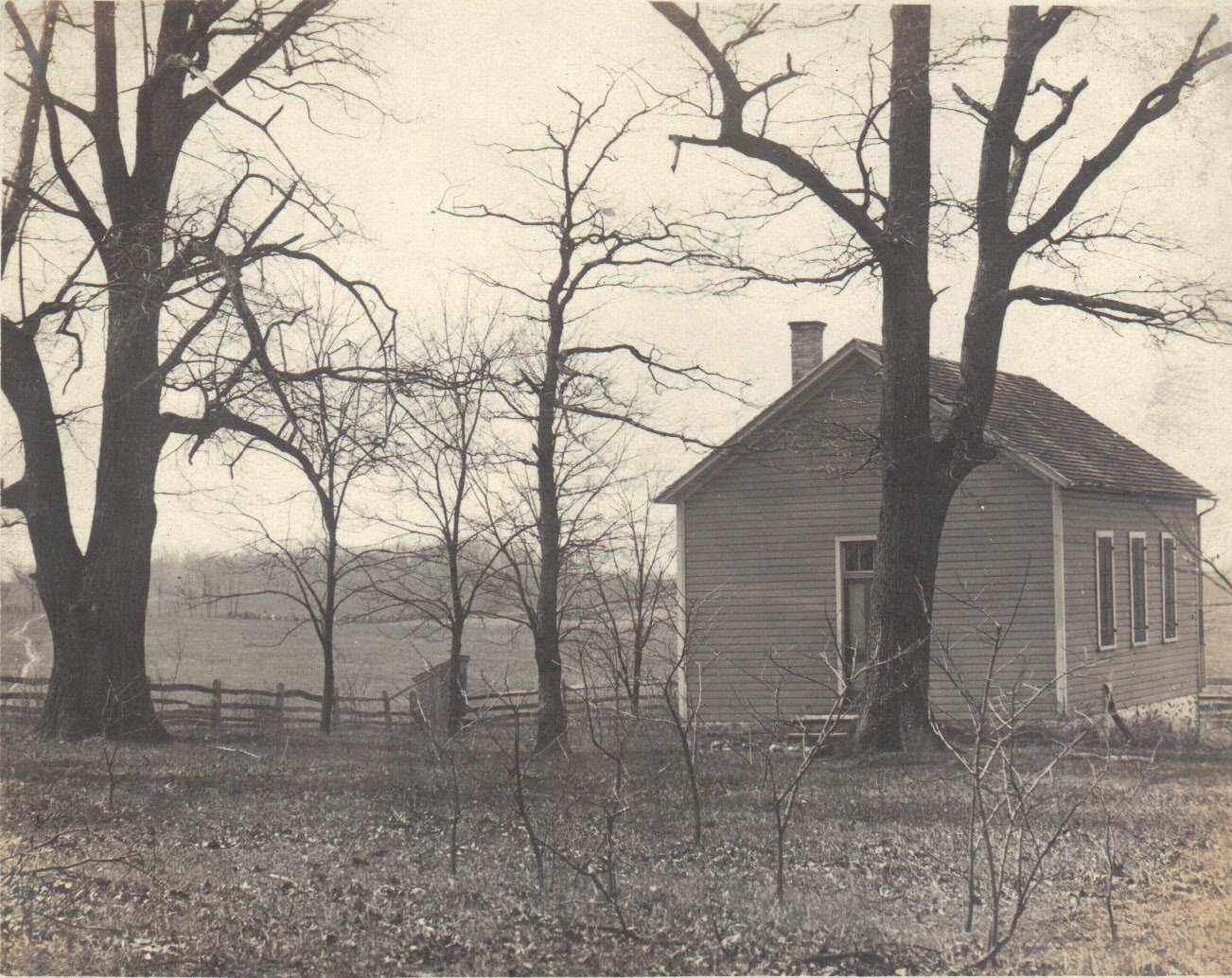
Darnestown School. Note the outhouse on left. Photo by Lewis Reed
Source: Germantown MD Wikipedia
Flashback: Reed Brothers Baseball Team, circa 1920
Most likely, Rockville’s first experience with baseball was during the Civil War on the fields where Richard Montgomery High School now stands. It was known as “Camp Lincoln” because of the Union encampment there, and Federal soldiers helped popularize the new game they brought from the North. After the Civil War those fields – known as the Rockville Fairgrounds – continued to be a popular place for baseball.
Reed Brothers Dodge had a company baseball team that played on those same fields. The photos below were taken by Lewis Reed on a field at the Rockville Fairgrounds circa early 1920s.
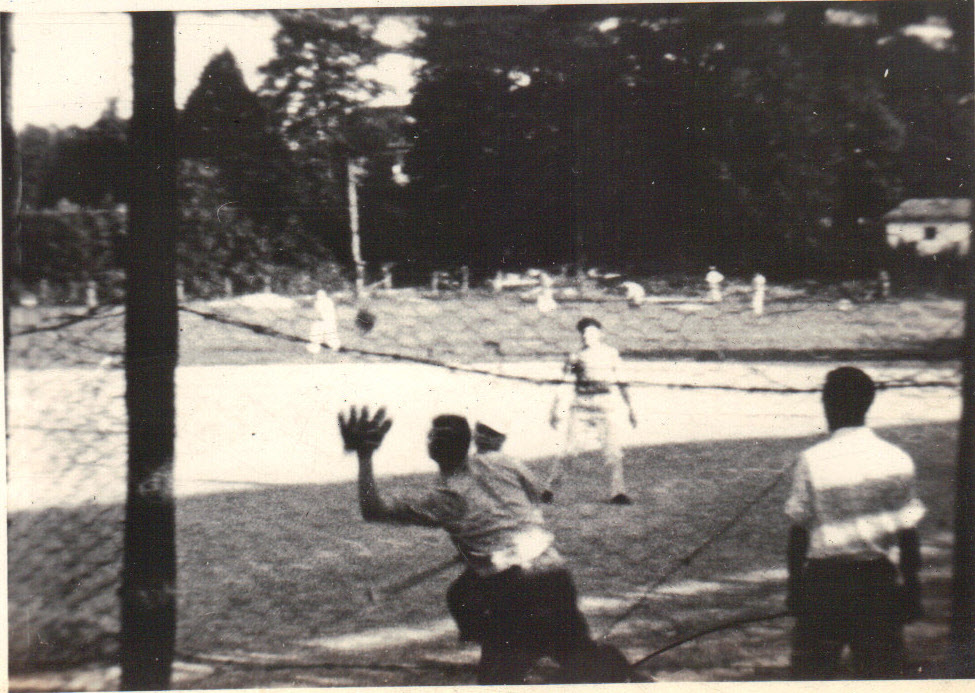
Reed Brothers Dodge Baseball Team, circa early 1920s. Photo by Lewis Reed

Reed Brothers Dodge Baseball Team, circa early 1920s. This photo s taken at Welsh Field, which is now the site of the County Office Building. The house in the background was in right field. Photo by Lewis Reed
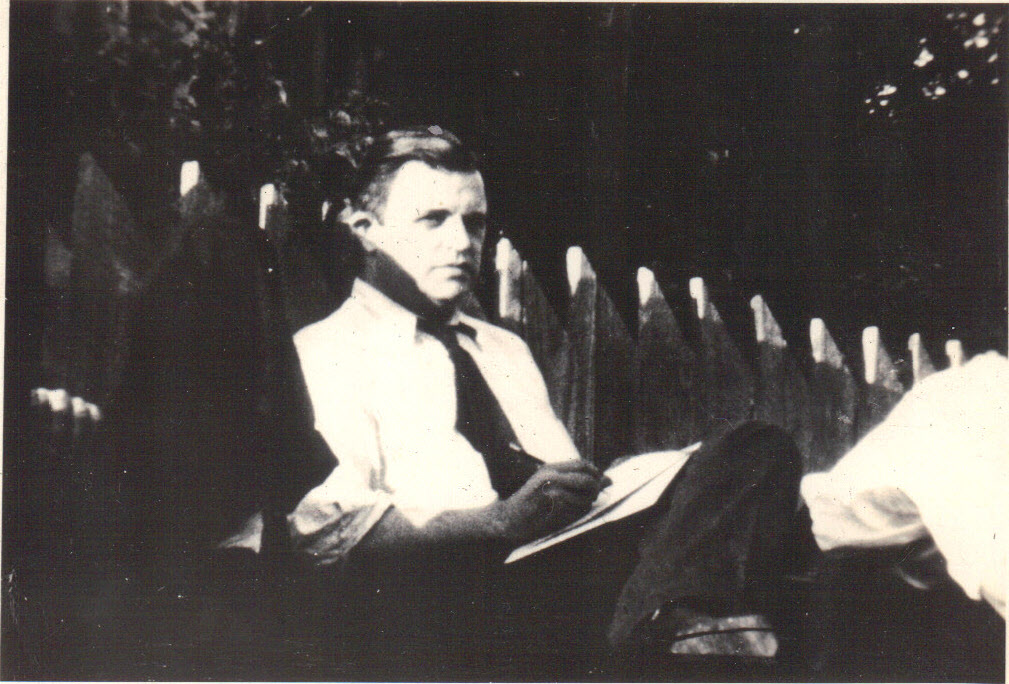
Pat Murray (Parts Dept Manager), keeping score. Photo by Lewis Reed

Reed Brothers Baseball Team on field at Rockville Fairgrounds, circa early 1920s. Photo by Lewis Reed
New Blog Feature: Rockville’s Past Through the Lens of Lewis Reed
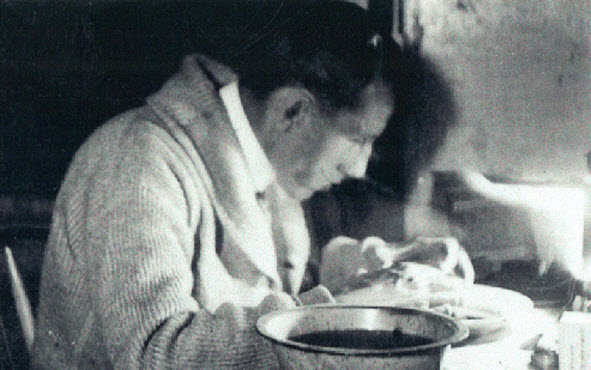
Lewis Reed (founder of Reed Brothers Dodge) was a well-known photographer in Montgomery County. Many of his photographs are now part of the Montgomery County (Maryland) Historical Society photo archives. He even developed his own photographs.
Looking back at photography from the past is a fascinating experience for me. Since I started this blog, I have had the opportunity to look through my grandfather’s extensive collection of photographs from historical locations in Maryland, Washington, DC and Virginia. Some of the photos are more than 100 years old! Lewis Reed was a well-known photographer in the county and many of his early photographs are now part of the Montgomery County Historical Society photo archives. The Jane C. Sween Library was recently given a collection of 280 glass plate negatives, showing Montgomery County in the early 20th century.
Every now and then the light bulb goes off and a new idea is born. It occurred to me that with the vast number of photographs in his albums, that this blog would be a great place to highlight some of them. With that in mind, I will be spotlighting photographs from his albums occasionally that may not pertain to Reed Brothers Dodge.
I have no formal history training, just a general interest in local history where I grew up. I will not try to be an historian; I will post a photo and supply a few sentences of context. All of them will in some way will offer a visual history of a part of Rockville’s past. I look forward to sharing them with you.
Dodge Brothers March
Sing a song of old Detroit, for she’s the flashing, dashing pioneer of motor glory …

Dedicated by Victor Herbert to the Late Mr. Horace E. Dodge in Respectful Appreciation of His Generous Efforts Towards the Advancement of American Music; Published Especially for Dodge Brothers.
I love this march and the history behind it — it is such a typical success story of the early part of the 20th century. The Detroit Symphony Orchestra (DSO) owes much of its prestige to half of the auto-building Dodge Brothers, John and Horace. It was Horace, the more mechanically-inclined of the two — and a decent enough amateur musician, by all accounts — that helped pay for a permanent conductor hired in 1918 to give the symphony world-class status. More importantly, he contributed $150,000 toward the cost of a new concert hall and led the successful fund-raising campaign for the building. Detroit’s Orchestra Hall, which opened in October 1919.
The Symphony was what finally smoothed the way into Detroit high society for Horace. Prior to that, the brothers were repeatedly blackballed — they were hard-drinking brawlers who didn’t much care what other people thought of them. (Their first major success was in manufacturing parts for Henry Ford’s assembly line. John Dodge was asked why the brothers abandoned that lucrative work to make their own cars. “Think of all those Ford owners who will someday want an automobile,” he snarked.) By the time the brothers suddenly died in 1920 — both from complications of the influenza then raging world-wide, although Horace’s condition was precipitously undermined by John’s death—such was their renown that none other than Victor Herbert paid tribute with “The Dodge Brothers March.”
The Dodge Brothers company distributed both the sheet music and, according to one source, 100,000 recordings of the piece.
Below are the lyrics and sound recording (without voice) of the march:
DODGE BROTHERS MARCH LYRICS
From the hills of San Jose San Jose
To the lights of gay Broadway gay Broadway
Sing a song of old Detroit
For she’s the flashing dashing pioneer of motor glory
Born of thunder steel and flame
All the world now hails her name hails her name
Here’s to Dodge and old Detroit
We pledge the glory of their fame
From the hills of San Jose San Jose
To the lights of gay Broadway gay Broadway
Sing a song of old Detroit
For she’s the flashing dashing pioneer of motor glory
Born of thunder steel and flame
All the world now hails her name hails her name
Here’s to Dodge and old Detroit
We pledge the glory of their fame
What better way to tap into the soul of an era than through music?
References:
The Dodge Brothers: The Men, The Motor Cars, And The Legacy
Johns Hopkins University, Levy Sheet Music Collection, Box 075, Item 028
The city of Detroit, Michigan, 1701-1922
Books

Related Resources


Copyright Notice

Reed Brothers Dodge History (1915-2012) by Jeanne Gartner is licensed under a Creative Commons Attribution-NonCommercial 3.0 Unported License.


Recent Comments