
Happy Birthday Lewis Reed! Founder of Reed Brothers Dodge

Today marks my grandfather’s birthday. Lewis Reed was born in Darnestown, Maryland on November 25, 1887 and was the founder of Reed Brothers Dodge.
When Lewis Reed opened his car dealership in October 1915, he never knew he was starting a family tradition that would be carried out for 97 years and three generations. He founded what would become the oldest Dodge dealership under the same family ownership in the state of Maryland, and one of the oldest in the entire nation.
Lewis Reed was just a young man when he started selling cars built by brothers Horace and John Dodge in Detroit. Few people jumped onto the Dodge Brothers bandwagon earlier than Lewis Reed, and not many have lasted longer. Reed Brothers was franchised as a Dodge dealership and service facility only one year after the first Dodge automobile was made.
Lewis Reed’s Rockville Garage sold more than just Dodges. During the early years, Reed Brothers represented several franchise nameplates along with Dodge, including Oldsmobile, Hudson and Essex. The Hudson and Oldsmobile were sold at Reed Brothers from roughly 1917 through 1921.
However, his love of cars and entrepreneurial spirit began years before. Prior to World War I, Lewis Reed’s love of automobiles led him to becoming a chauffeur. Chauffeurs were trained to be proficient with their driving skills, but they also had to keep the luxury automobiles in tip top shape which is where his mechanic training would have come into play. He received his training as an automobile mechanic at the Pierce Arrow factory at Buffalo, New York, the Dodge and Hudson factories at Detroit and the Washington Auto College.
A mechanical aptitude was necessary to be a car dealer in the early 1900′s. When the cars were shipped to the dealer from the manufacturer they were only partially complete and they needed final assembly, so the new dealer quickly became skilled at repair. It was the dealer’s responsibility to assemble the cars at the rail yard and drive them back to the showroom.
Lewis Reed was very active in his community and in his church. He was a member of the Gaithersburg Grace Methodist Church, where he served as a member and Chairman of the Board of Stewards, a Lay Leader and President of the Men’s Bible Class. He was a charter member and Past President (Feb 1933 – Feb 1937) of the Gaithersburg-Washington Grove Volunteer Fire Department and a member of the advisory board of the Rockville branch of the First National Bank of Maryland. Lewis Reed belonged to the Masonic Lodge of Rockville, the Pentalph Chapter of the Eastern Star and the Rockville Rotary Club. He was a Rotarian for 34 years and also had served as President of that group.
Lewis Reed was the first to sell Dodge cars in Montgomery County, Maryland and his company was the first Gulf gas dealer in the Washington, D.C. area.
Active in the dealership daily until the day of his death, Lewis Reed died on January 28, 1967 at the age of 79. Shortly after his death, the Senate of Maryland passed SENATE RESOLUTION NO. 10 honoring the well-known Rockville automobile dealer for his personality and outstanding contributions. The resolution was sponsored by state Senators Anderson and Gore.
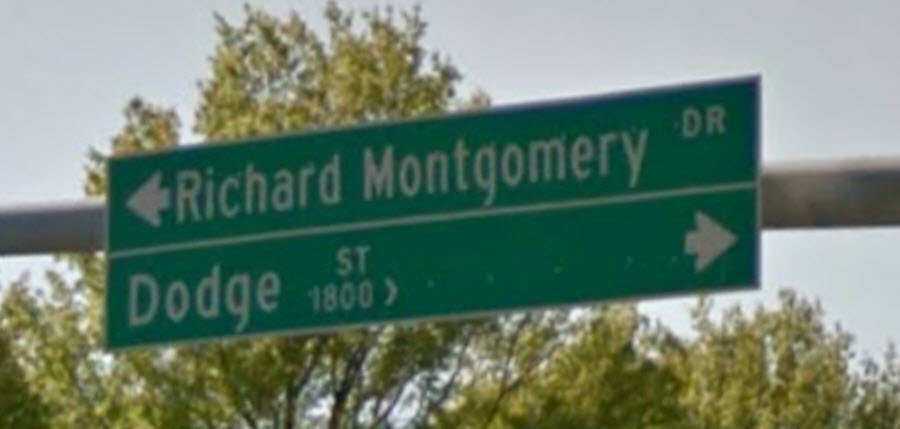
At the time of his death, he was in negotiations with the State Roads Commission on the Commission’s proposal to take over a portion of his business property for construction of an interchange at Rockville Pike, Hungerford Drive and Veirs Mill Road. In honor of Lewis Reed, the State of Maryland named the street behind the dealership’s original location, “Dodge Street” because Reed Brothers Dodge was located there for so many years (1914-1970).
When you look back and consider what has taken place in the world in the past 100 years or so, you gain a perspective of what Lewis Reed faced. He overcame a lot of obstacles throughout his life. He steered his dealership through World War I, The Great Depression and World War II. When Reed Brothers had no new cars to sell for three and a half years and many dealers went bankrupt, he converted his car showroom into a display room and sold GE washing machines and other appliances. He held a serious work ethic in the highest regard, and that was not lost on me.
Lewis Reed set an outstanding example through his success, but more importantly through his sacrifices and commitment to the community he served. It is in keeping with Lewis Reed’s spirit, that I proudly honor and preserve the legacy he left as the founder of his family’s 97-year old dealership that spanned three generations and over nine decades.
New Milestone: 50K Page Views

Just a quick post with an offering of thanks to all of you who have stopped in to visit this blog. In the two and a half years since its creation, this blog has seen more than 50,000 page views, crossing the milestone today. And this milestone is dedicated to all the readers who find time in their hectic schedule to stop by for a look and a read.
Thank you to everyone who visits us from all around the world…we have so far been visited by folks from all fifty of the United States and 139 different countries world wide.
I would also like to take the opportunity of this blog milestone of 50,000 views to ask you to help Reed Brothers Dodge History continue to be more and more read. If you like this site, please share it with your friends and family and anyone you think might enjoy it. You can follow this blog directly if you have a Google account, or you can subscribe to get new post notifications delivered to you by email. If you are on Twitter, please follow us @reedbrothers; if you are on Facebook, please drop by and press the “Like” button on Reed Brothers Facebook page.
Business longevity is something to celebrate and share, and it’s an absolute honor and privilege for me to share the history of Reed Brothers Dodge with all of you!

“Portrait of an Automobile Dealer” Second Edition
If you wanted to read the history of the American car industry, a great place to start would be the book, “Portrait Of An Automobile Dealer”. This book is inspired by, created for, and dedicated to Lewis Reed whose legacy started almost 100 years ago. “Portrait Of An Automobile Dealer” Second Edition is available through Blurb.com print-on-demand bookstore. The second edition has been published in place of the first edition, which was originally released in 2012.
More than 60+ pages of additional content and over 100 new photographs have been added. It is the same as the first edition, but better. You can see a preview of this 168-page book by clicking on the book above. To see the book full screen (highly recommended), click on the button just to the left of the blue “blurb” icon. (The pages turn by clicking the tabs on the left and right of the book.)
As a special thank you to all the readers of this blog, this book has been placed online for everyone to enjoy for free. To download the complimentary eBook formatted for Apple iPad click here.
If you’d like to check out the hard copy book or maybe purchase a copy, click “Book Preview” on the badge below.


Oct 1915: Where It All Started
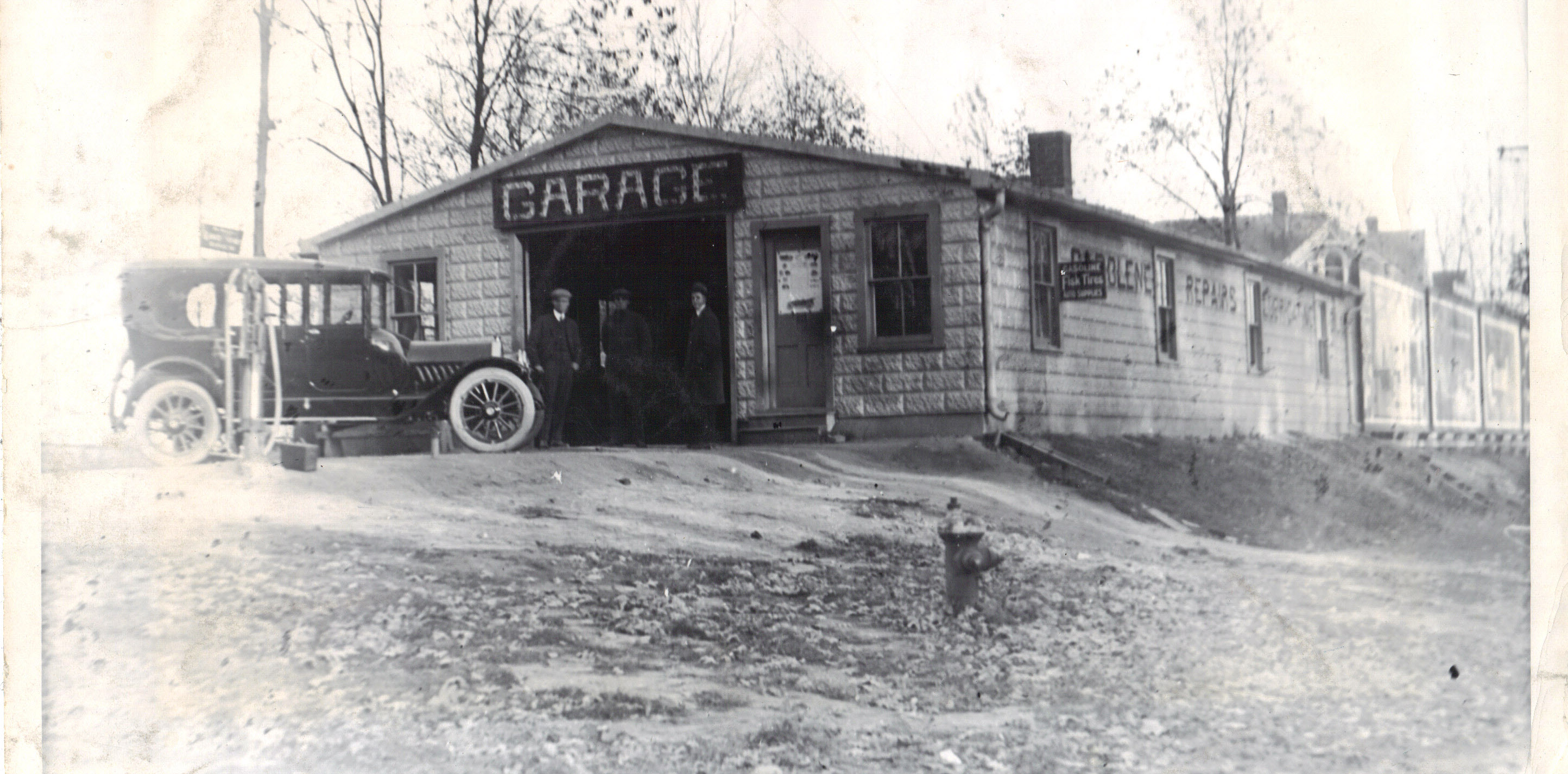
This photograph of the original 1915 Rockville Garage shows a 1916 model 44 Oldsmobile with V8 and sedan body parked in front. The original owners of Rockville Garage are standing in front. From left: Roy Warfield – Lewis Reed – Griffith Warfield. (click on photo to enlarge)
This is where it all began, 99 years ago in October of 1915. Reed Brothers was franchised as a Dodge dealership and service facility in October 1915, only one year after the first Dodge automobile was made. In 1914, Lewis Reed became a partner in Rockville Garage with Robert L. and Griffith Warfield. The Warfield brothers had purchased this building in July 1915, from Lee Ricketts and Sons who had the Overland Agency. The business continued to operate under the old name until it was changed at the suggestion of the late Judge Edward Peter shortly after Edgar Reed joined his brother.
Lewis Reed’s Rockville Garage sold more than just Dodges. During the early years, Reed Brothers represented several franchise nameplates along with Dodge, including Oldsmobile, Hudson and Essex. The Hudson and Oldsmobile were sold at Reed Brothers from roughly 1917 through 1921.
In 1930. Reed Brothers added the Plymouth line. The first Plymouth was built in 1928 and Plymouths were sold at Reed Brothers until 1969, when the brand was given to the Chrysler dealers.
The actual story of how Lewis Reed was chosen for a Dodge Brothers Motor Car franchise is lost, but his legacy continued until 2009 as the oldest Dodge dealership under the same family ownership in Maryland, and one of the oldest in the entire nation.
Lewis Reed’s Hand-tinted Photos
Before the advent of color photography, photographers painstakingly applied color to black and white photos in order to show a truer visual depiction of a photo image. The hand-tinted photos of Lewis Reed and his daughter, Mary Jane (Reed) Gartner are examples of this medium. The small collection of hand-tinted photographs were taken by Lewis Reed in the early 1900s. The photographs were hand-colored my my mother, Mary Jane (Reed) Gartner.
 Below are hand-tinted photos before and after. Pastel was a good choice for coloration.
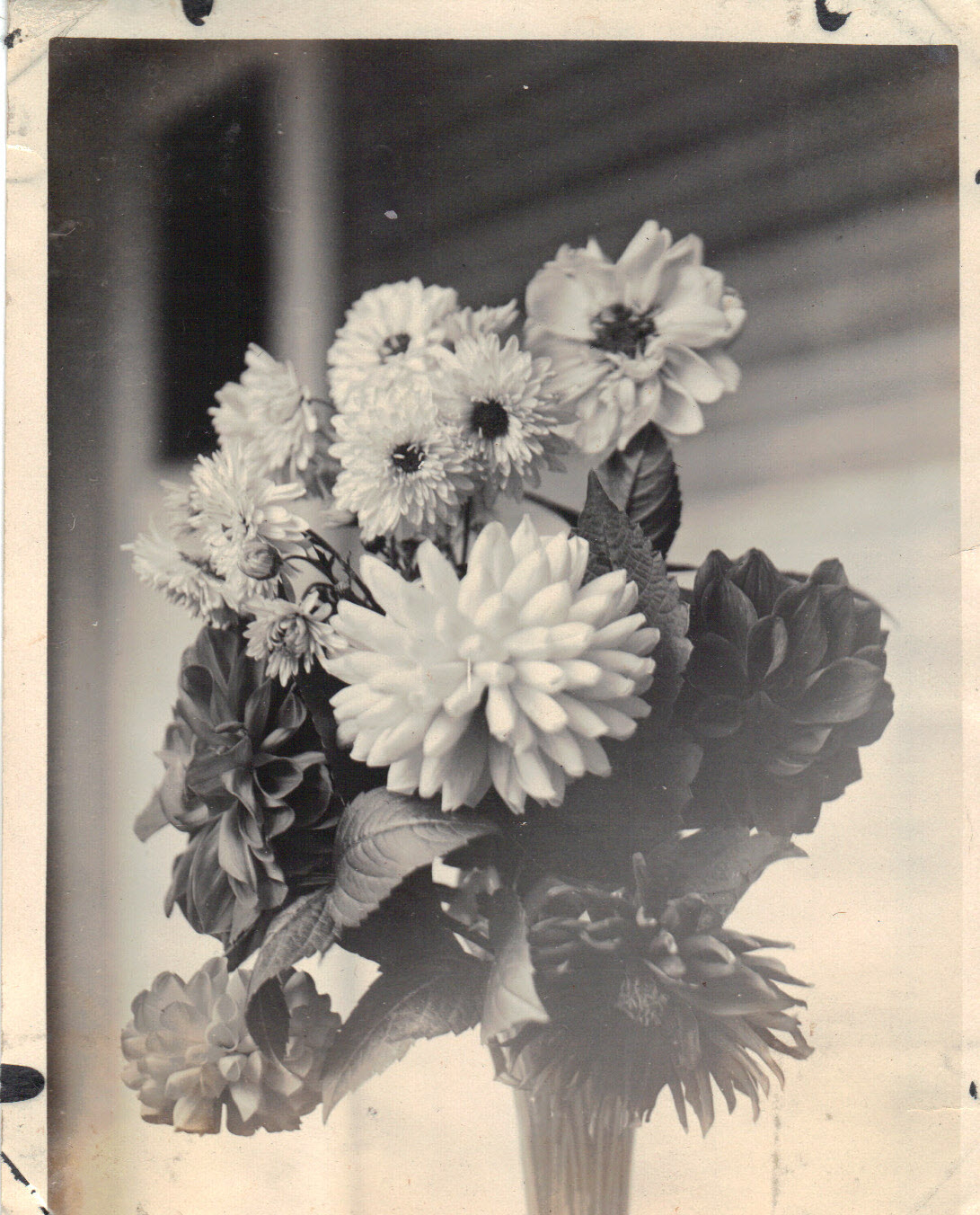
Original photograph by Lewis Reed.

Original photograph by Lewis Reed. The photograph was meticulously tinted by my mother, making it look like a color photo.
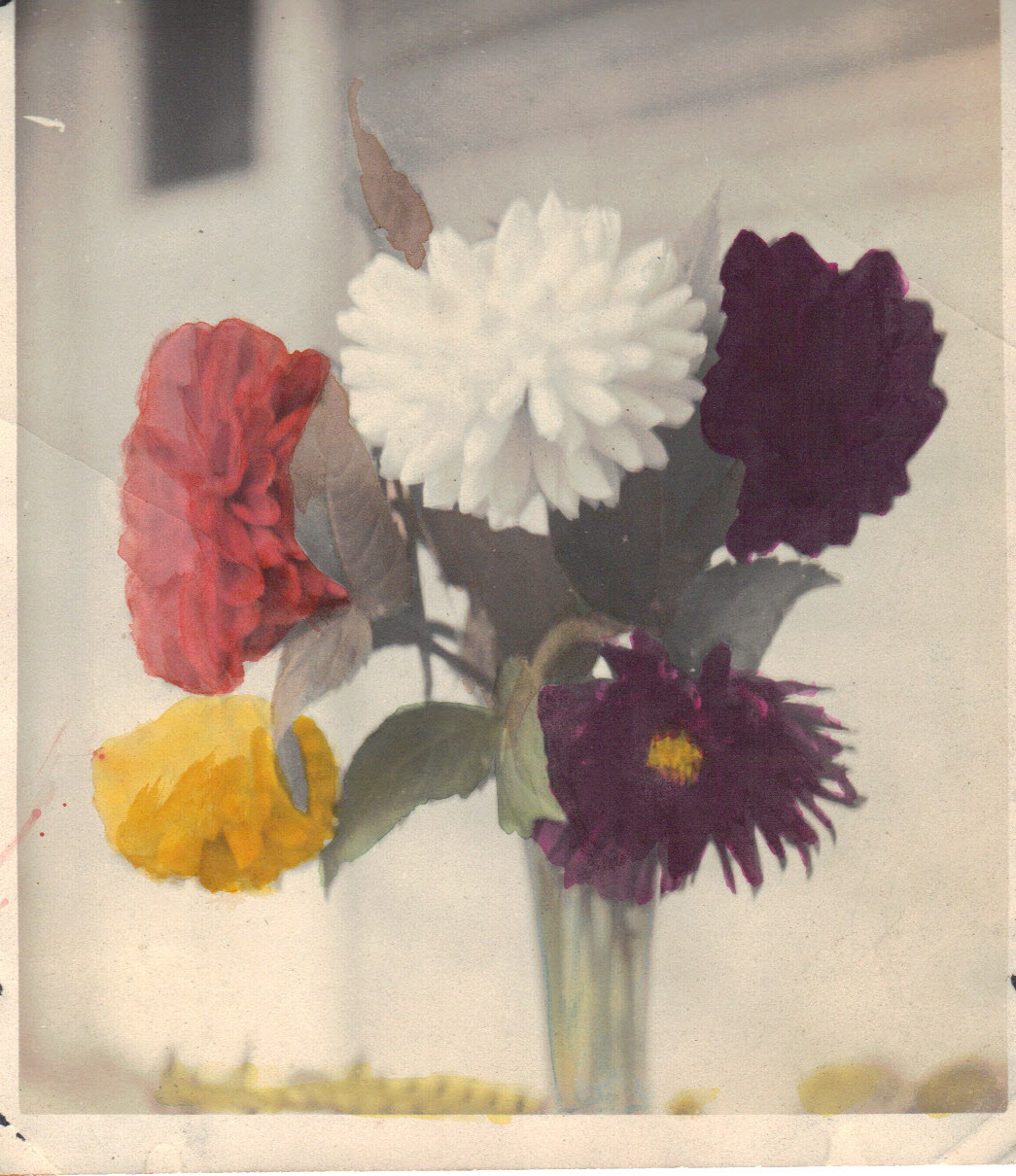
The art of hand tinted photos was introduced along side the daguerreotype in 1839. In the 19th century it was most common for the professional photographer to tint the photograph or tintype just after printing. Later photo artists introduced new techniques using oil, watercolor and other types of paint to achieve the desired result. With the Great Depression, the sale of professional hand tinted photographs declined, but the home artist continued to have access to hand tinting kits. There is a very informative wiki article here which provided me with the brief details I have shared with you.
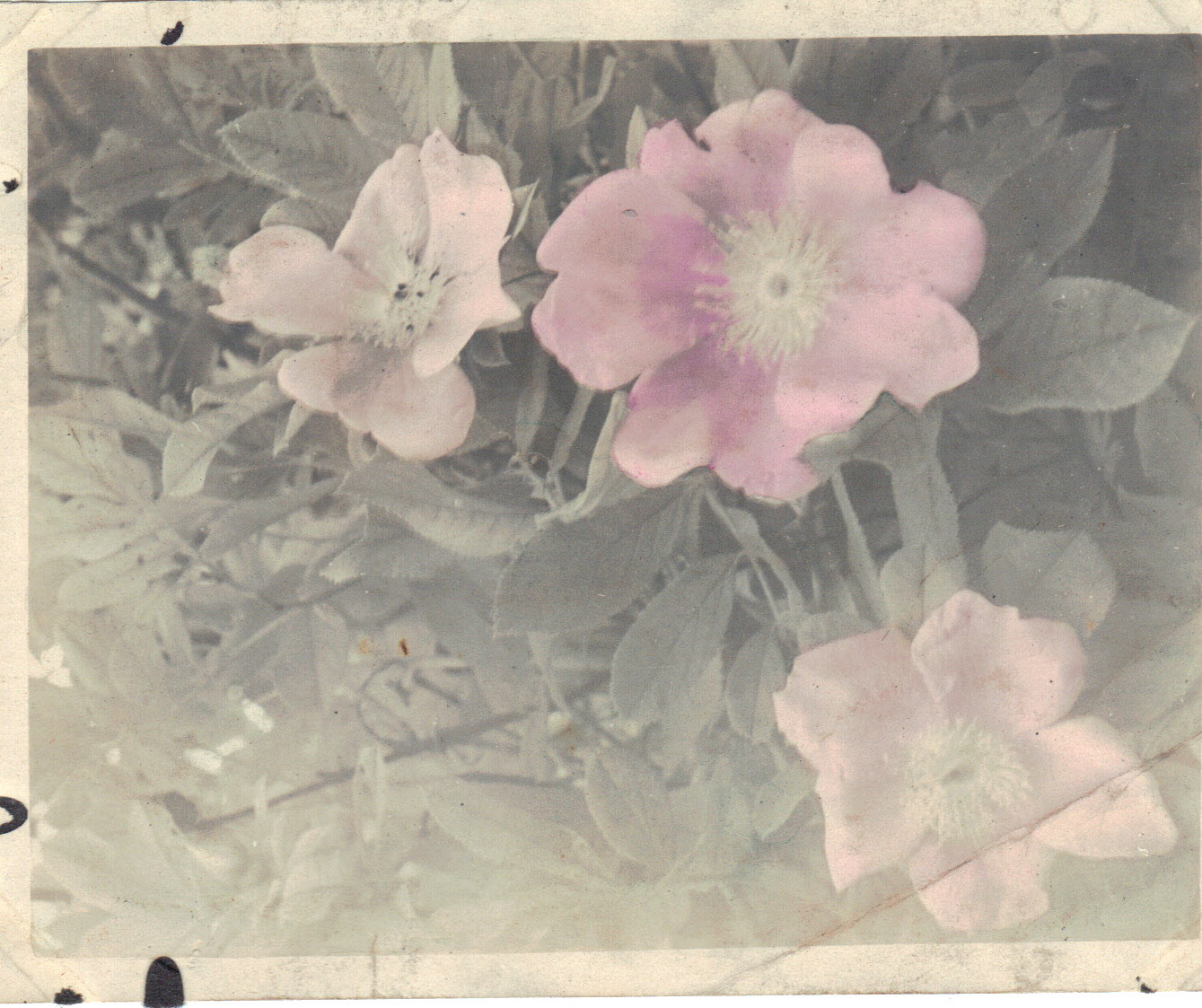 These days, most people rely on Photoshop to digitally make such enhancements. Progress, you know …
Books

Related Resources


Copyright Notice

Reed Brothers Dodge History (1915-2012) by Jeanne Gartner is licensed under a Creative Commons Attribution-NonCommercial 3.0 Unported License.
 Reed Brothers Dodge History 1915 – 2012
Recent Comments