
Wright Brothers’ Historic Flying Demonstration at Fort Myers Through the Lens of Lewis Reed
This special post doesn’t have anything to do with Reed Brothers Dodge, but it does have a lot to do with it’s founder, Lewis Reed.
On this day in September 17,1908, the first military airplane in the world, built by the Wright brothers for the Army Signal Corps, made its first flight at Fort Myer, Virginia. Less than a thousand people witnessed the first flight at Fort Myer, because the general public was still doubtful that powered flight had been achieved. But Lewis Reed was there… and to commemorate that milestone, I have posted five original snippets of history that Lewis Reed captured through the lens of his camera that day.
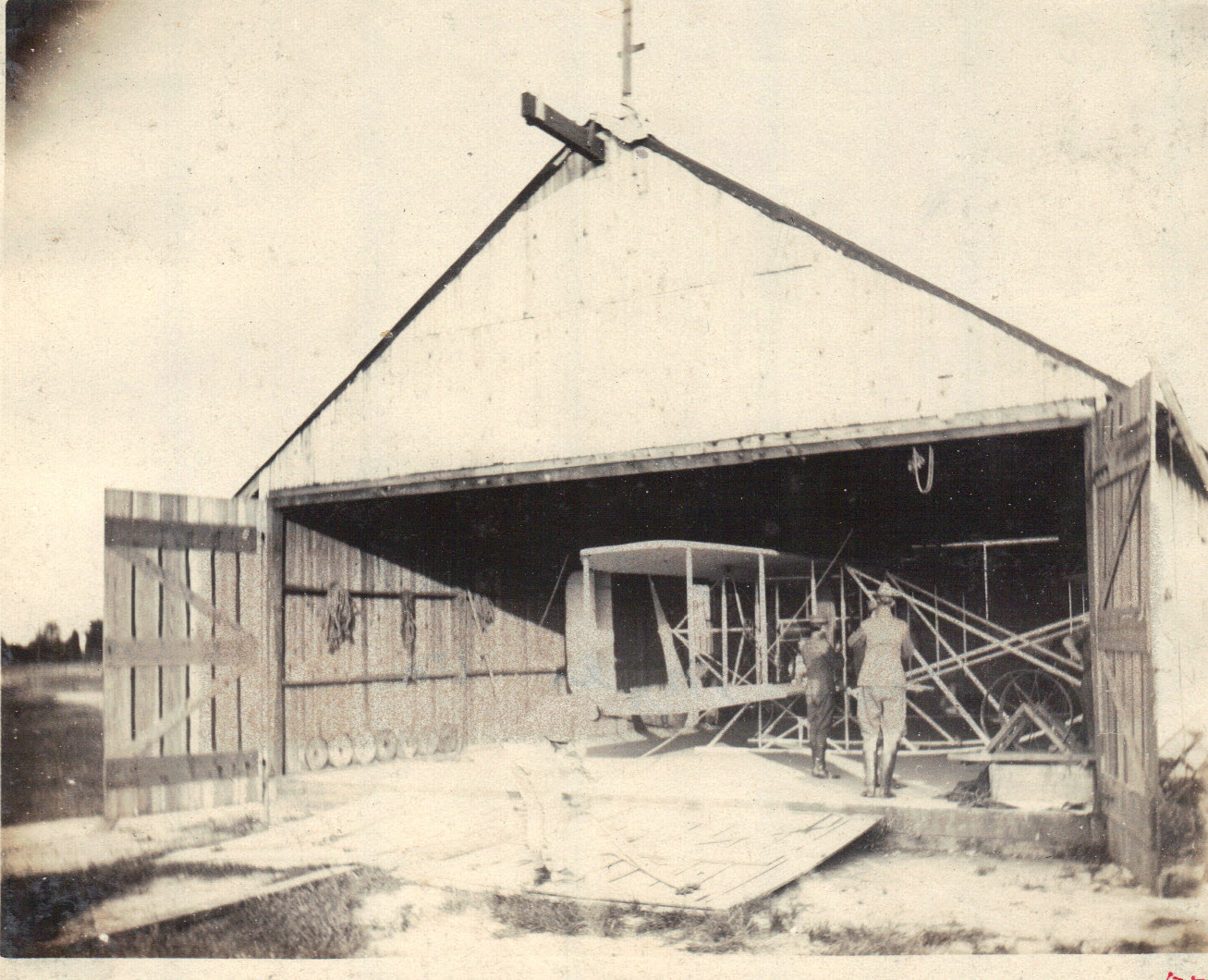
Wright Brothers airplane in its hangar at Fort Myer, Virginia. Photo by Lewis Reed
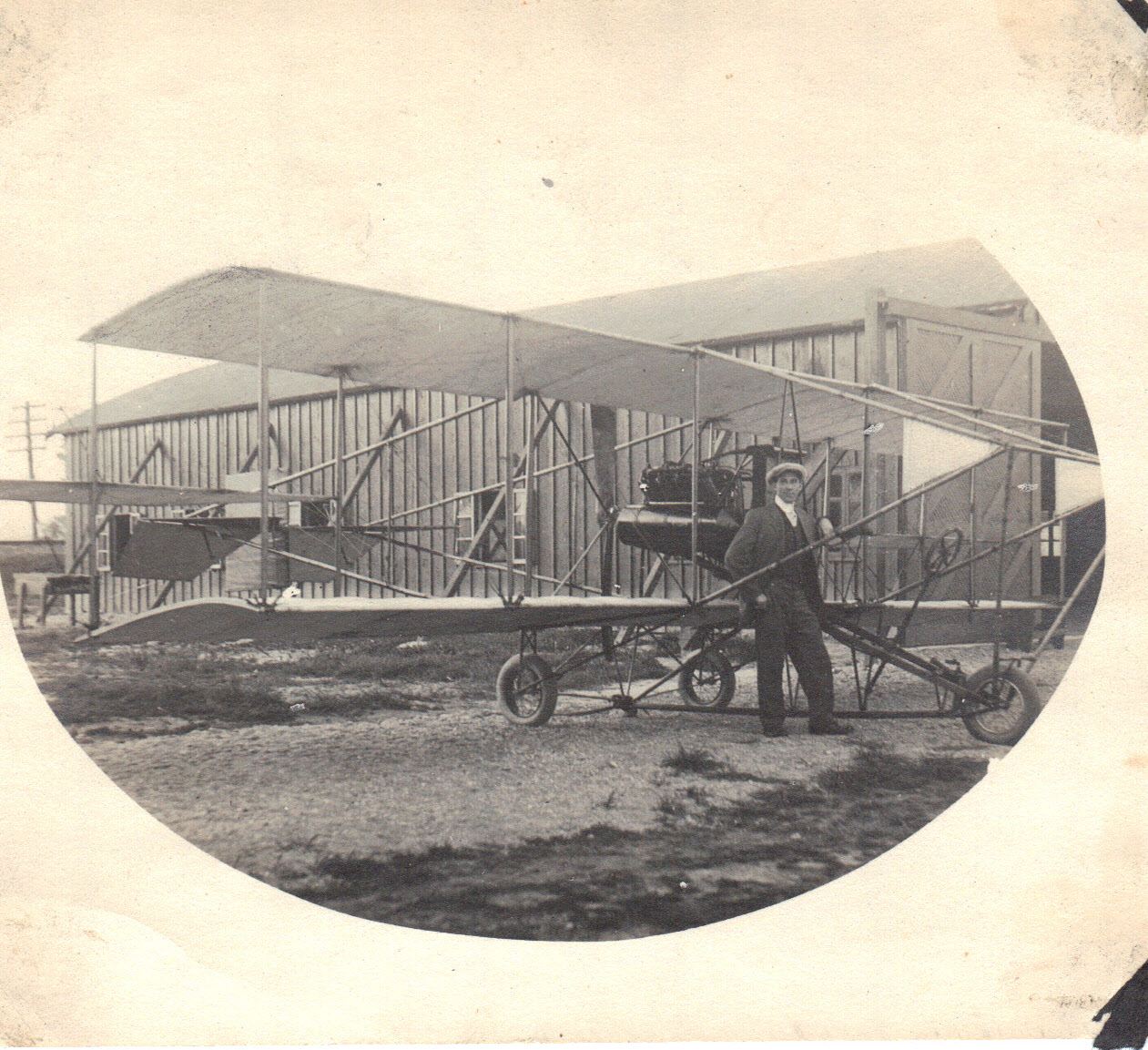
Curtiss Model D with tricycle undercarriage. Photo by Lewis Reed

Curtiss Model D. Photo by Lewis Reed
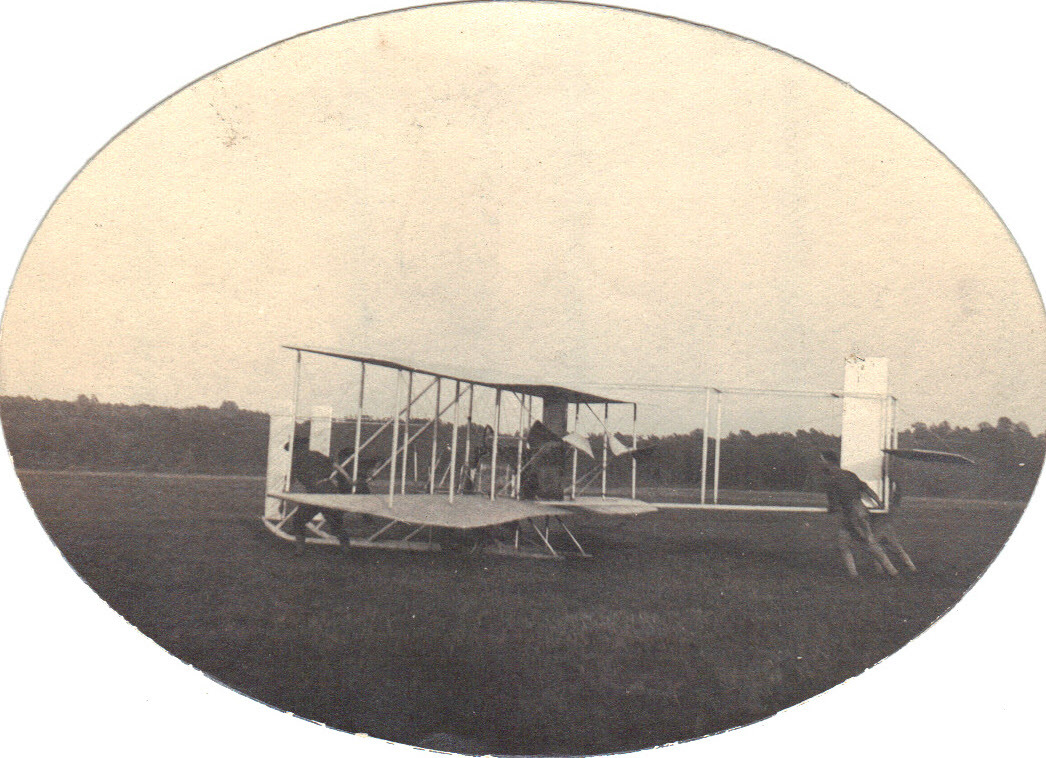
Wright Model B with skids. Photo by Lewis Reed

Another early aircraft from 1909 was the Bleriot XI monoplane. Photo by Lewis Reed
Fisk Tires
Reed Brothers was founded and franchised as a Dodge dealership in 1915; only one year after the first Dodge automobile was made. Initially, Reed Brothers sold Oldsmobile and Hudson, along with Dodge. Reed Brothers was a successful company, combining car sales, auto accessories and repair service. They also sold Fisk Tires which were made in Chicopee Falls, Massachusetts.
After seeing the Fisk Tire signs in the photos below, I was curious to learn more about the company and the tires that they made. The history of the Fisk Tire Company is relatively obscure, but as far as is known, Noyes W. Fisk purchased a failing rubber manufacturing company in 1898. Fisk continued the company under his own name and branched out to sell automobile tires. By 1904, most of the country’s major car manufacturers were buying Fisk tires. The tire business, along with many other businesses, fell upon hard times during the great depression. Despite all the country’s hardships, Fisk survived and introduced its new Safti-Flight tire in 1930, and it proved to be an impressive success. (click images to enlarge)
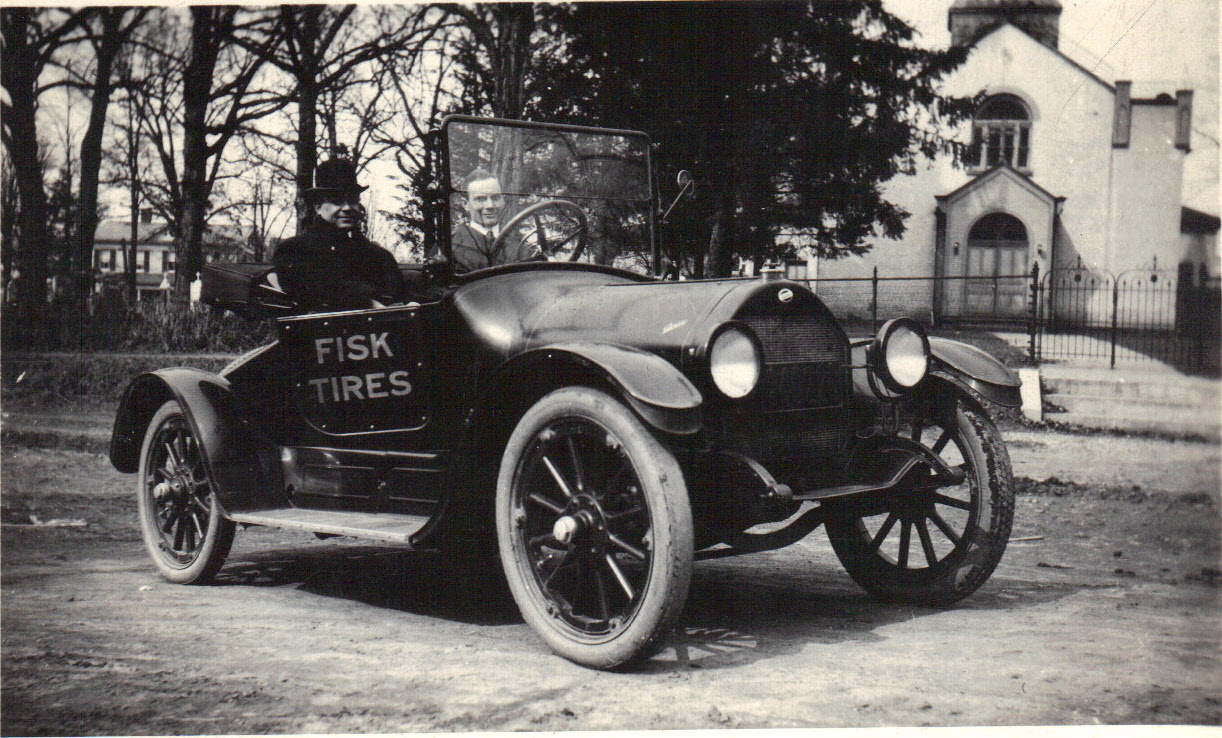
This photo was taken by Lewis Reed across from Reed Brothers Dodge, circa 1915. Old St Mary’s Church is in the background.
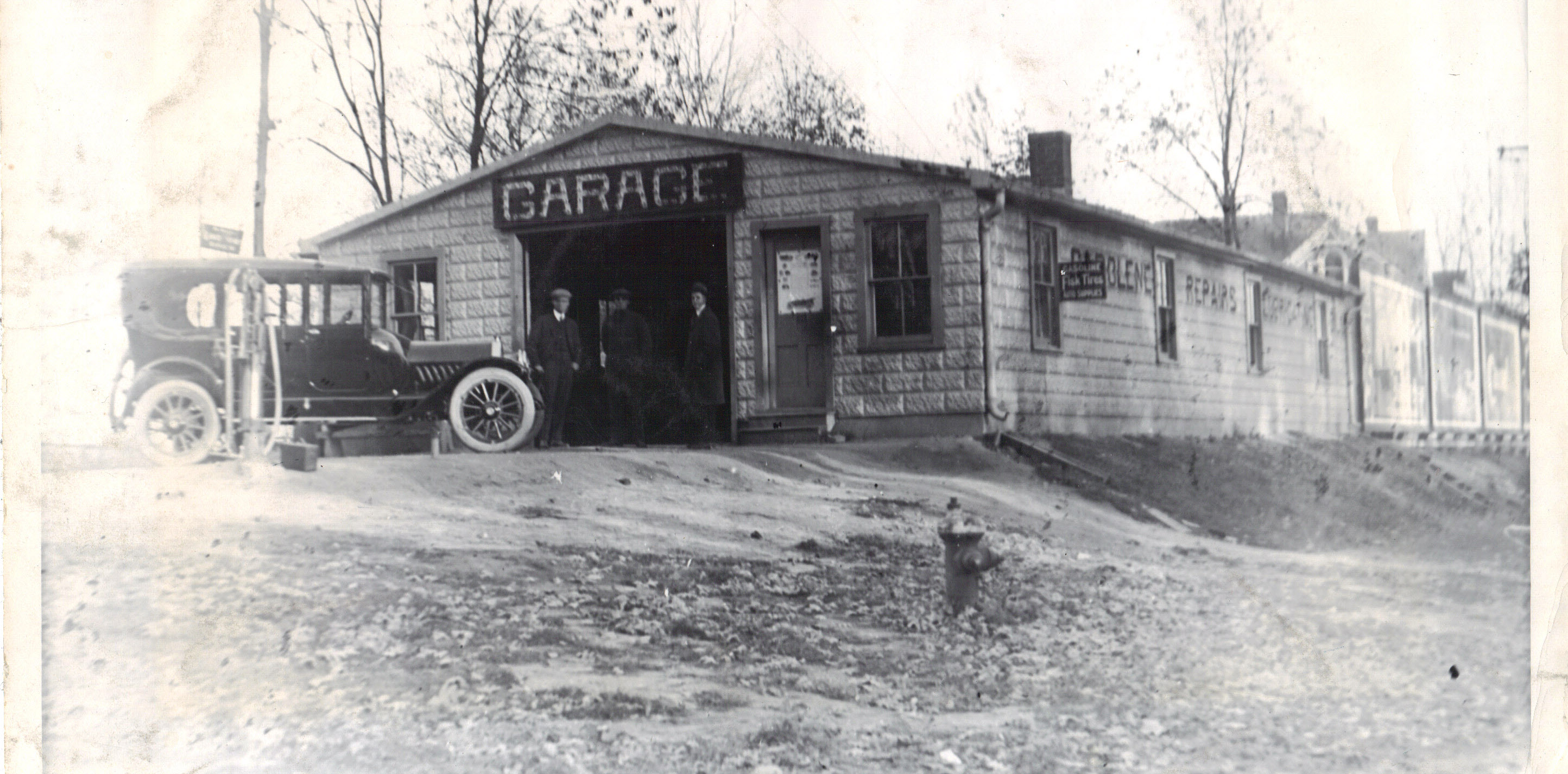
Original 1915 Rockville Garage located at the intersection of Veirs Mill Road and Rockville Pike. The small sign on the right side of the Garage advertises Gasoline, Fisk Tires and Supplies.
Below is an ad I found in the September 18, 1915 edition of Automobile Topics that gives you an idea of the cost of tires at the time, which was considerable.


Source: Chicopee (Google eBook)
The Home Is Gone But Not The Memories

301 North Frederick Ave
In 1926 Lewis Reed, the founder of Reed Brothers Dodge, and his wife Ethlene built a craftsman-style house in Gaithersburg Maryland, at what is today 301 North Frederick Avenue. This was my grandparents home. This was the home where my mother (Mary Jane Reed Gartner) was born and raised. Some of my earliest memories are visits to this home as I spent a lot of time there during my childhood.
It’s weird, the things you remember from childhood. Who knows why some things stick in your memory and others quickly fade away. Often there seems to be no rhyme nor reason behind it. While writing a page on this blog about the Reed Family Home, I also started making some notes about some of the arbitrary things I could remember about them and their home. And eventually some of that turned into this blog post.
They lived just across the Frederick Avenue bridge over the railroad tracks from where I grew up, so my grandparents played an integral role in the creation of my early childhood memories. This special post will highlight some of my personal memories of my grandparents home and hopefully give readers a small glimpse of our family history.

Corner of North Frederick Ave & Maryland Ave
Their home had a big front porch, a back terrace, fish pond, chicken yard, and a beautiful back yard surrounded with flowers. In the basement there was a coal-fired, straight-out-of-a-scary-movie furnace, a laundry room, a finished area where my grandfather would show movies on his 16mm reel to reel film projector, and lots of space for me to play paddle ball (hitting a rubber ball with a wooden paddle that was attached to the ceiling with a string).
Some of my most cherished childhood memories are of making homemade ice cream with my grandfather. We used to make it with a “crank it yourself” ice cream maker. It always seemed to take forever. As a child, I wanted the ice cream immediately. Everyone who wanted to have a serving of ice cream when it was finished was expected to take a turn at turning the handle. When I was little, I would always go first because when the ice cream began to harden the churn became harder and harder to turn. My grandfather, or my mom or dad, would always have to take over at the very end. Sweet memories of a simpler time.
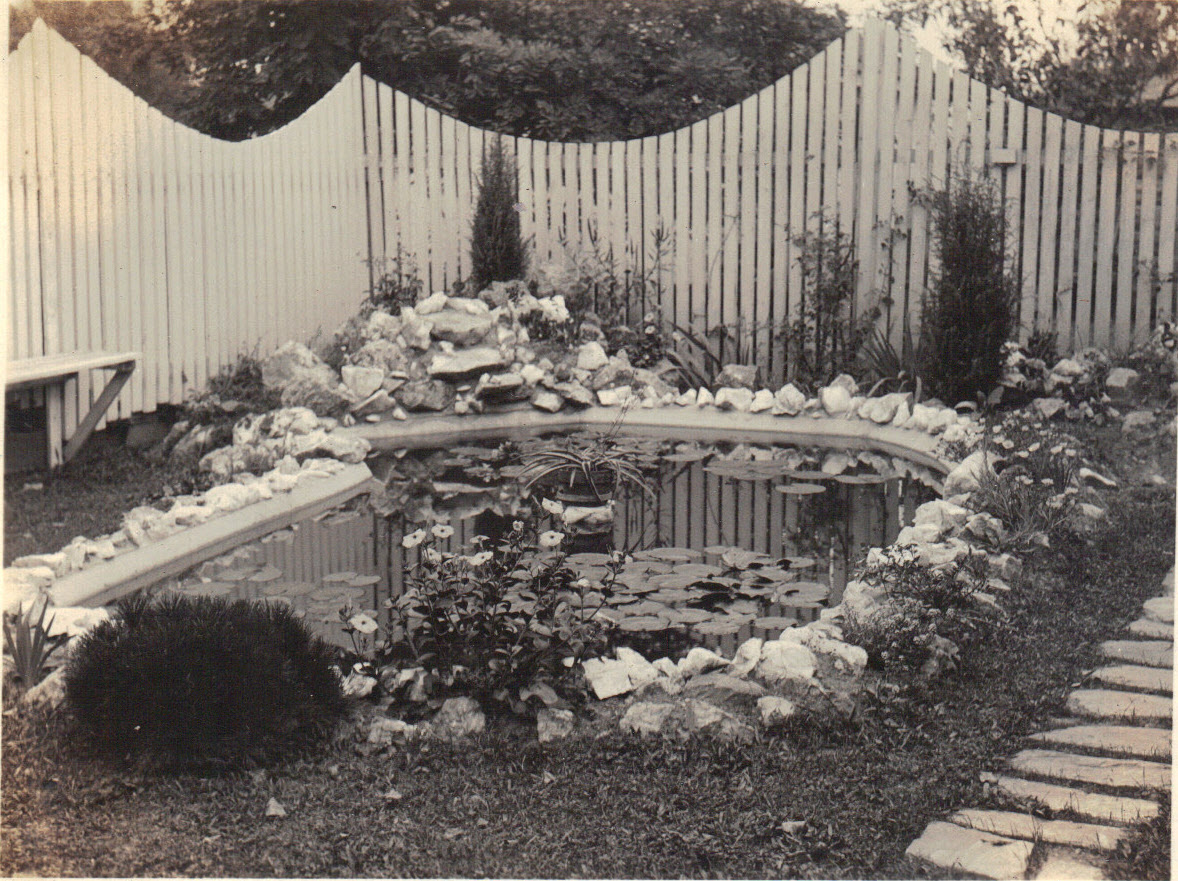
Fishpond
The fish pond was a magical place for a young grade-schooler. As a child, I spent countless hours feeding the goldfish bread crumbs and sailing homemade sailboats that my grandfather built for me out of scraps of wood. I remember I used to help him clean the pond. We’d use a net (or sometimes our hands) to capture the fish and store them in a large metal tub filled with water. When I think now of all the hours my grandfather spent cleaning the muck out of the bottom of the fish pond, I can’t help but cringe. But he never, ever complained, so in the end I guess we can say we both had a good time.

Backyard
There was an alley driveway behind the garage between the properties that we used to call “chicken alley” – mostly because all the neighborhood homes back then had chickens. My grandparents had a chicken yard, too. It was attached to the garage. The nuggets of information I collected from my mom suggests they raised the chickens for eggs and eating. In those days if you wanted a chicken you didn’t go to the grocery store to get it, you went to the backyard chicken coop.
Fortunately, by the time I came along the chicken house had been cleaned out and was turned into a storage shed for my grandfather’s tools. The chicken house is visible at the top right of the aerial photo below. (click image to enlarge)
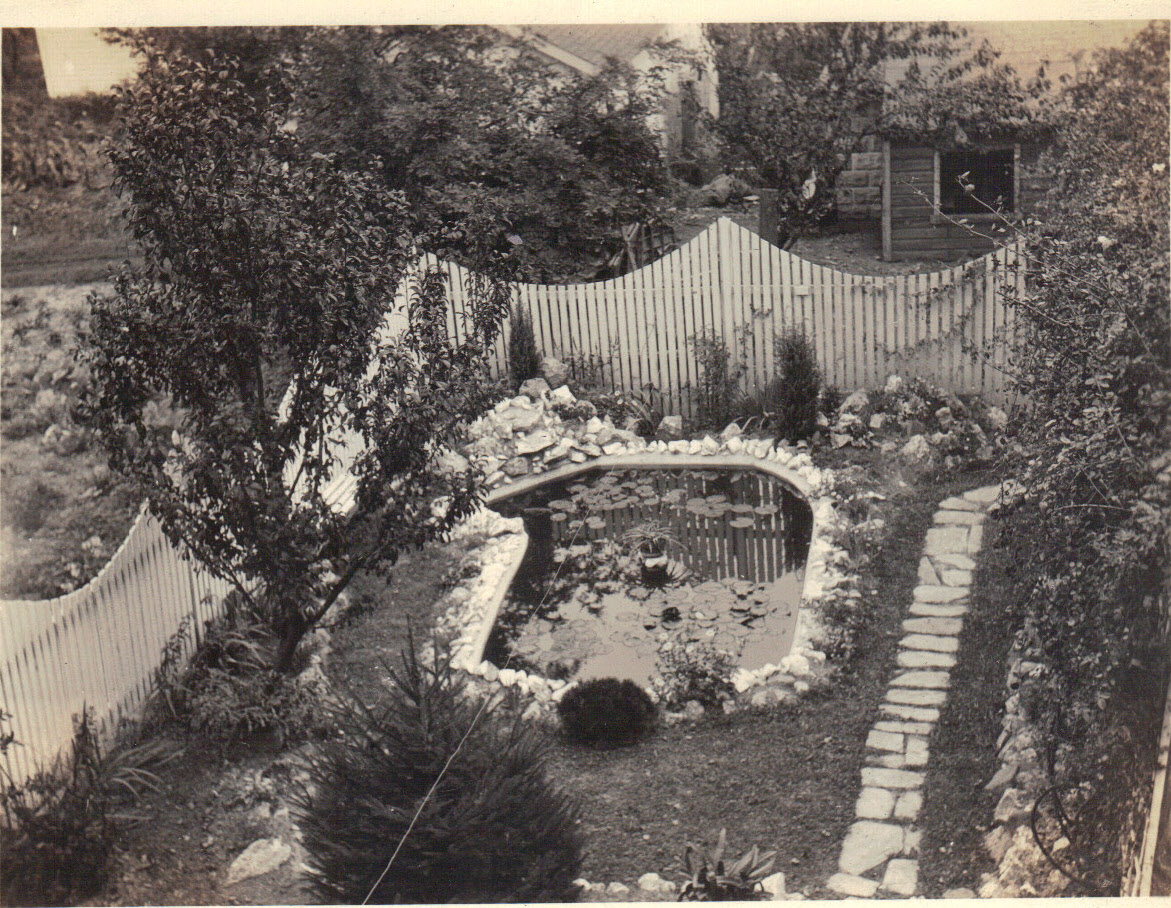
Fish Pond Aerial View
I have plenty of fragmentary memories from my pre-school years. As a toddler of a little over one year old, I remember I fell and broke my ankle running along the walkway on the side of my grandparents house.
When I was about 8 or 9, I remember watching someone walk down the sidewalk in front of their house with a cardboard box over their head. You’ve heard the old saying, “Monkey see, monkey do”. Well, I went and got my own box. As I was walking up the front porch steps with the stupid box over my head I tripped and fell. The scar on my chin is still visible today. But I remember the fall at their house clearly.
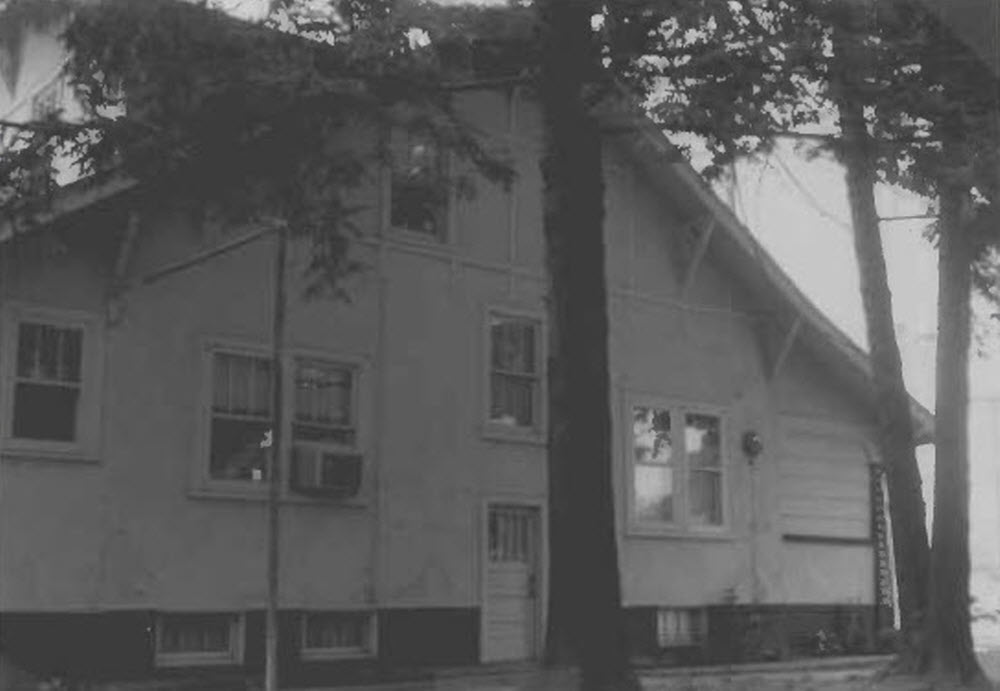
Walkway on side of my grandparents house where I tripped and broke my ankle
For all of that, the memories of my grandparents’ house are ones I will always treasure. My childhood just wouldn’t have been the same without them. Good times.
Featured Photo: Hand-Cranked Car
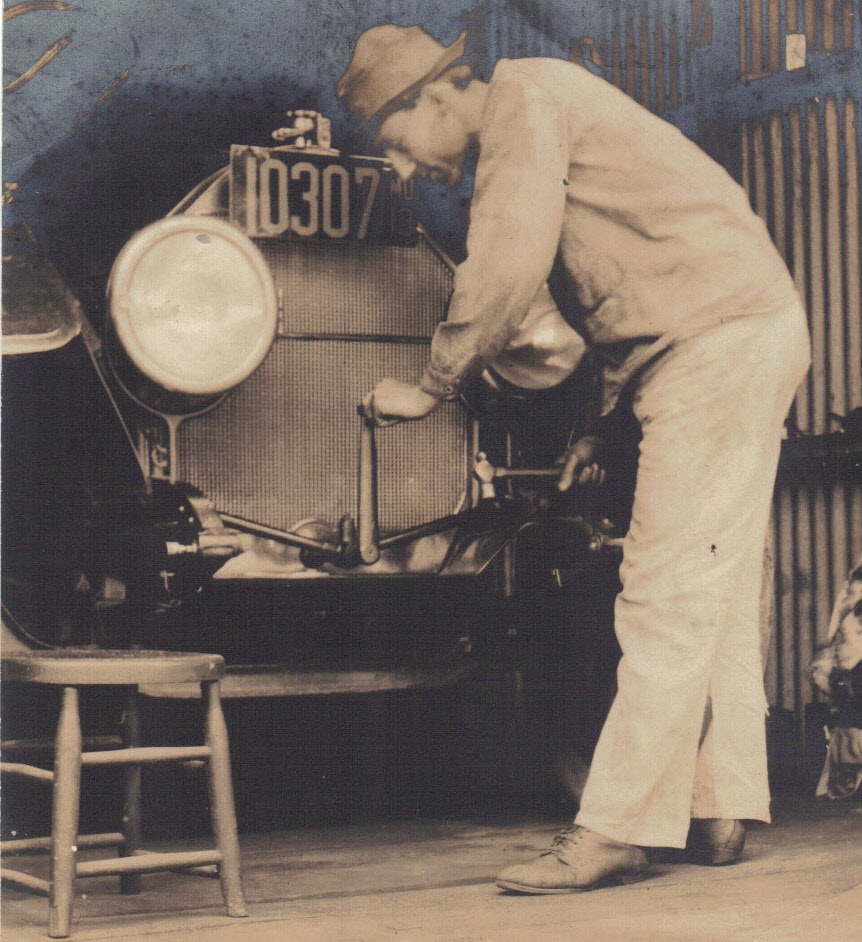
Lewis Reed hand cranking an old car. The license plate is MD 10307 dated 1913.
Today, we take the starting of automobiles for granted. Simply place the key in the ignition, turn, and VROOM, the engine starts.
However, this was not always the case. Cars in the early parts of the century had to be started by hand. This was accomplished by turning a crank, usually located in the front of the automobile. When the crank was turned, it moved the pistons in the automobile’s engine until enough momentum was built up to keep the engine going on its own. Hand cranking was also physically demanding making it very difficult for anyone with a small stature to start the engine.
By 1920, nearly all manufacturers were producing cars equipped with starters making it easy for anyone, regardless of physical abilities, to start a car by pressing a button mounted on the dash or floor. An ignition on and starter engage switch operated by a key was introduced by Chrysler in 1949.
Reed Brothers Texaco Filling Station
The 1917 photo below is the Reed Brothers original Rockville Garage located at the intersection of Veirs Mill Road and Rockville Pike. To the right is a Texaco Gasoline Filling Station sign. One very tall Texaco branded fuel pump can be seen in this photo along with two Texaco Petroleum refueling trucks. The gas pump globe on the top advertizes the gas company name and logo. Parked in front is a line-up of some very early Dodge Brothers Motor Vehicles.
Also visible in the photo are trolley tracks that went along Rockville Pike and Montgomery Avenue to Laird Street and back again. From 1900 – 1935, the trolley cars went past Reed Brothers Dodge as they traveled up Rockville Pike.
At some point between prior to 1920, Reed Brothers Dodge changed over from selling Texaco and became a Gulf Gasoline dealer. Reed Brothers had the first Gulf gas station in the still-rural Washington D.C. area. (click on images to enlarge)

1917 Original Rockville Garage with 2 story addition. Note the Texaco Filling Station signage and the Texaco Petroleum fuel truck refilling the single pump in front.
Below, a Texaco Petroleum tanker is delivering its load of fuel to Reed Brothers in this circa 1917 photo. The delivery driver seems to be wearing his best suit on this job, something that you don’t see these days at all.
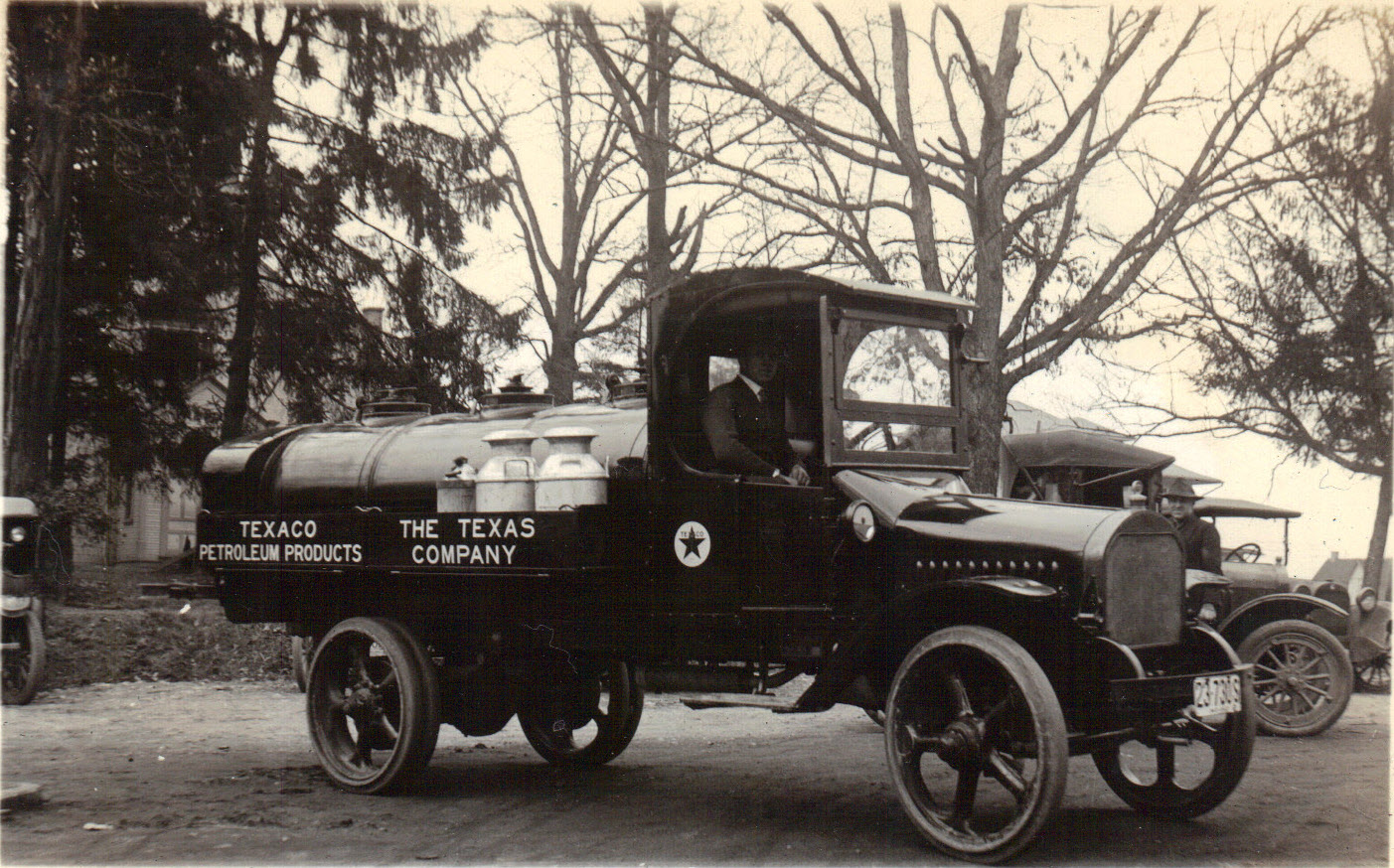
Texaco was founded in Beaumont, Texas as the Texas Fuel Company in 1901. A circa 1917 Texaco Petroleum Truck sits in front of Reed Brothers Dodge after delivering its load of fuel.
This Gasoline Filling Station sign is from the teens and is the same logo seen in the photo above.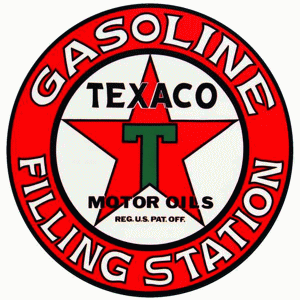
Books

Related Resources


Copyright Notice

Reed Brothers Dodge History (1915-2012) by Jeanne Gartner is licensed under a Creative Commons Attribution-NonCommercial 3.0 Unported License.


Recent Comments