
The Dodge Brothers’ First Car and the Birth of Reed Brothers Dodge
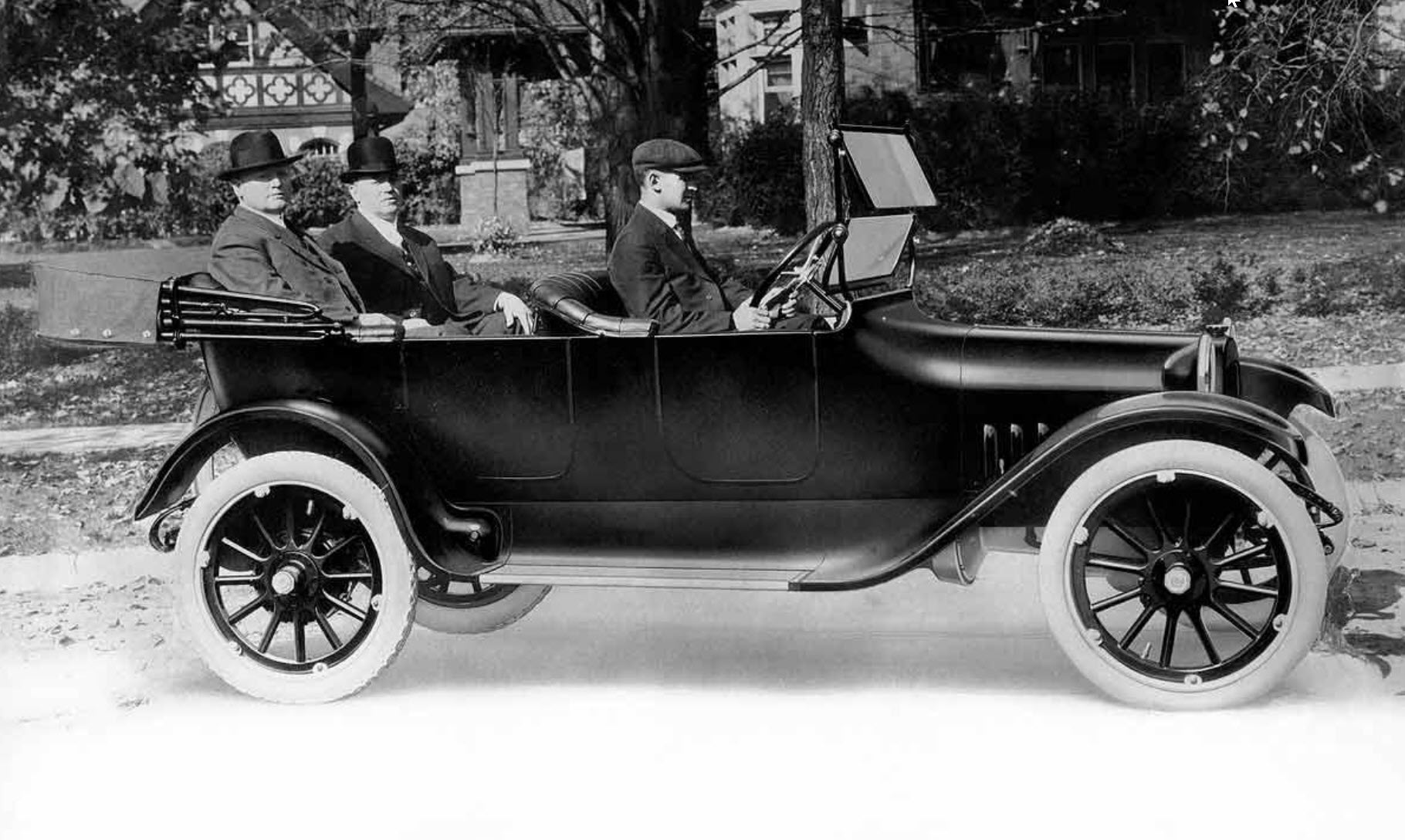
Horace (left, rear) and John Dodge (right, rear) shown in the first Dodge Model 30-35 on November 14, 1914 marking the beginning of the Dodge Brothers automobile legacy.
In 1914, the Dodge Brothers, John and Horace, made automotive history when they introduced their first automobile: the Dodge Model 30-35. What began as a bold move from building parts for Henry Ford’s Model T to designing a car of their own would forever change the American automobile industry, and soon after, shape the legacy of a small family dealership in Rockville, Maryland known as Reed Brothers Dodge.
The Car That Started It All
Before the Dodge Brothers built their own car, they were already well-known in Detroit as trusted machinists and suppliers of quality automobile parts. Their reputation for precision and durability earned them a major role in producing engines, transmissions, and axles for the Ford Motor Company. But by 1913, the brothers were ready to make their mark under their own name.
Interestingly, Lewis Reed shared that same mechanical foundation. The 1910 U.S. Census lists a 23-year-old Lewis Reed working as a machinist in Montgomery County, Maryland, developing the same kind of technical skill and hands-on craftsmanship that defined the Dodge Brothers’ early success. Like John and Horace Dodge, Reed’s mechanical aptitude and curiosity about the emerging world of automobiles would soon set him on an entrepreneurial path of his own.
When the Dodge Brothers Model 30-35 debuted in November 1914, it was a sensation. Unlike the bare-bones Ford Model T, the Dodge offered steel body construction instead of wood, an electric starter and lights, a 12-volt electrical system (twice the voltage of most competitors), and a powerful 35-horsepower engine. It was marketed as “the dependable Dodge,” and it lived up to that promise: rugged, reliable, and beautifully built.
Priced slightly higher than the Model T, the Dodge appealed to middle-class buyers who wanted quality and innovation without extravagance. Within a year, Dodge was the fourth-largest car manufacturer in the United States.
A New Dealership Takes Root in Rockville
That same year, in 1915, Lewis Reed, a young man from Rockville, Maryland, saw an opportunity in the rapidly growing automobile market. He became one of the nation’s first Dodge Brothers dealers, founding what would become Reed Brothers Dodge.
Operating out of a modest garage at the intersection of Veirs Mill Road and Rockville Pike, Lewis Reed began selling and servicing the new Dodge automobiles. His timing could not have been better: America was embracing the automobile, and the Dodge Brothers’ new car was among the most sought-after models on the road.
Lewis’s brother Edgar Reed joined the business a few years later, in 1919, helping expand operations as the dealership grew. Together, the Reed brothers built a family business grounded in service, honesty, and the same “dependable” spirit that defined the Dodge brand.
Lewis Reed, an early automobile enthusiast and skilled photographer, documented much of those early years. His images of the original Dodge touring cars, early showrooms, and Rockville’s unpaved roads offer a rare and fascinating glimpse into the dawn of motoring in Montgomery County.
A Legacy of Dependability
From that first 1914 Dodge to the final vehicles sold under the Reed Brothers Dodge name nearly a century later, the same spirit of innovation and reliability endured. Both the Dodge Brothers and the Reed Brothers shared a philosophy rooted in craftsmanship, honesty, and community, a partnership that would last through generations.
Today, the story of the Dodge Brothers’ first car and the birth of Reed Brothers Dodge stands as a testament to American ingenuity and small-town enterprise: two brothers in Detroit who built a car that made history, and two brothers in Rockville who helped keep that history alive.
How the 1984 Dodge Caravan Changed Automotive History

1984 Dodge Caravan
On November 2, 1983, history shifted on wheels: the first modern minivan rolled off Chrysler’s production line, marking the birth of an entirely new vehicle class. At the time, Chrysler was teetering on the edge of collapse, but this bold launch would become the gamble that revived the company.
A Risk Worth Taking
Under Lee Iacocca’s leadership, Chrysler bet heavily on the idea that the next generation of young families wanted something more practical than a station wagon. With the U.S. economy struggling and Chrysler’s survival uncertain, Iacocca pressed forward with a $660 million minivan program, financed in part by a $1.5 billion government loan guarantee.
The strategy paid off. Sales of the company’s K-car models helped stabilize finances and set the stage for the debut of the Dodge Caravan and Plymouth Voyager. Demand was so strong that Chrysler was able to repay its federal loans years ahead of schedule.
The Minivan that Changed Everything
The original 1984 Dodge Caravan was engineered with families in mind. Though boxy in shape, with wood-grain style panels reminiscent of the classic station wagon, it offered an interior that was spacious, comfortable, and remarkably versatile. The sliding side door made entry safe and convenient, especially for families with young children, while interior features such as power windows and a car-like dashboard gave it a sense of refinement previously unseen in utility vehicles.
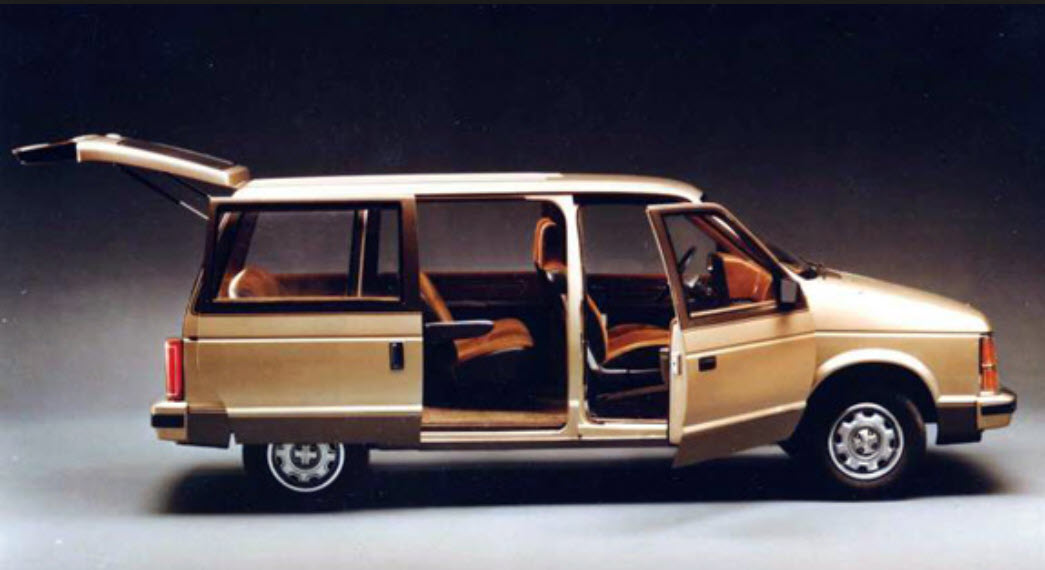
1984 Dodge Caravan
The 1984 Dodge Caravan was an immediate success. It brought Chrysler back from the brink of bankruptcy and reinvigorated the automotive market. Many buyers had to wait weeks for delivery because demand far outstripped supply. Dodge had created an entirely new market segment with the minivan—and competitors soon rushed to follow suit.
The early 1980s had been an extremely painful period for Chrysler, but Reed Brothers Dodge survived, continuing to serve its loyal Montgomery County customers through one of the most turbulent times in the company’s history.
A Legacy That Lasts
When Lee Iacocca introduced a 12,000-mile Voyager at Chrysler’s Windsor, Ontario plant that November day, he declared it the beginning of a new era. He was right. The minivan reshaped family transportation, inspired countless imitators, and cemented Chrysler’s place in automotive history.
Dodge “Punishment Pit” – Torture Makes Them SAFER!
Did you know that Dodge Brothers corporation had a “punishment pit”? This pit was a new type of automobile proving ground that was regarded as the quickest and most satisfactory way of finding out how an automobile can stand up under treatment of the most severely abnormal sort. Before Dodge introduced its latest models, some of the test cars were tortured in the punishment pit for as long as 600 hours.

Montgomery County Sentinel. August 24, 1933
In these trials, every stunt resulting in mechanical agony to all parts was employed to furnish the engineers and builders with proof of the car’s sturdiness and safety, with its ability to “take it.” Where the owner-driver would steer around chuck holes, dams and other obstacles, the punishment pit driver hunts the obstacles, steps on the throttle and tears right into them. He is exceedingly nimble-footed and can let the car turn over without being injured himself.
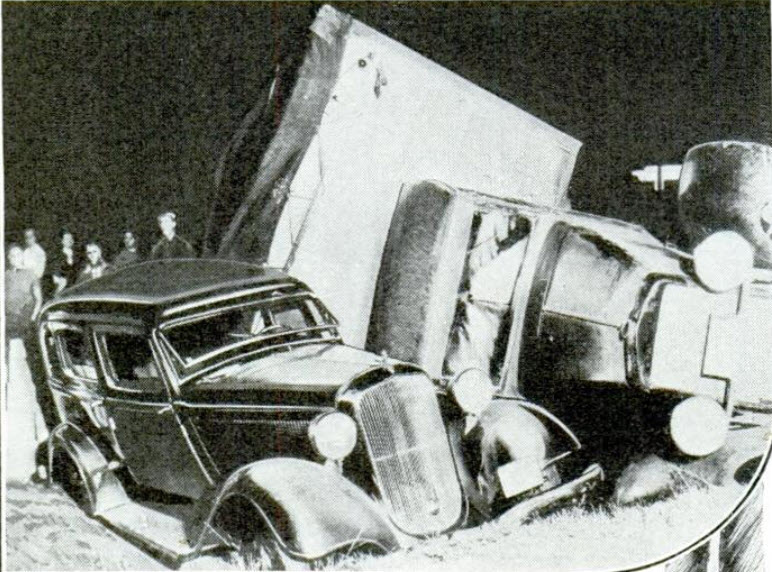
Photo of Plymouth against which a truck overturned; note how steel body resisted impact
Not only in the pit is torture applied to the new models. An ingenious device called the “Belgium roll” is almost as cruel to an automobile as the punishment pit. This machine shakes, rattles and vibrates a car placed upon it in such a vigorous manner that many hidden defects are revealed speedily. A few hours of the Belgium roll subject an automobile to more punishment than months of driving over the roughest roads. The effects of vibration on every part are studied closely by the engineer, changes made here and there, and to the public goes the result of torture —
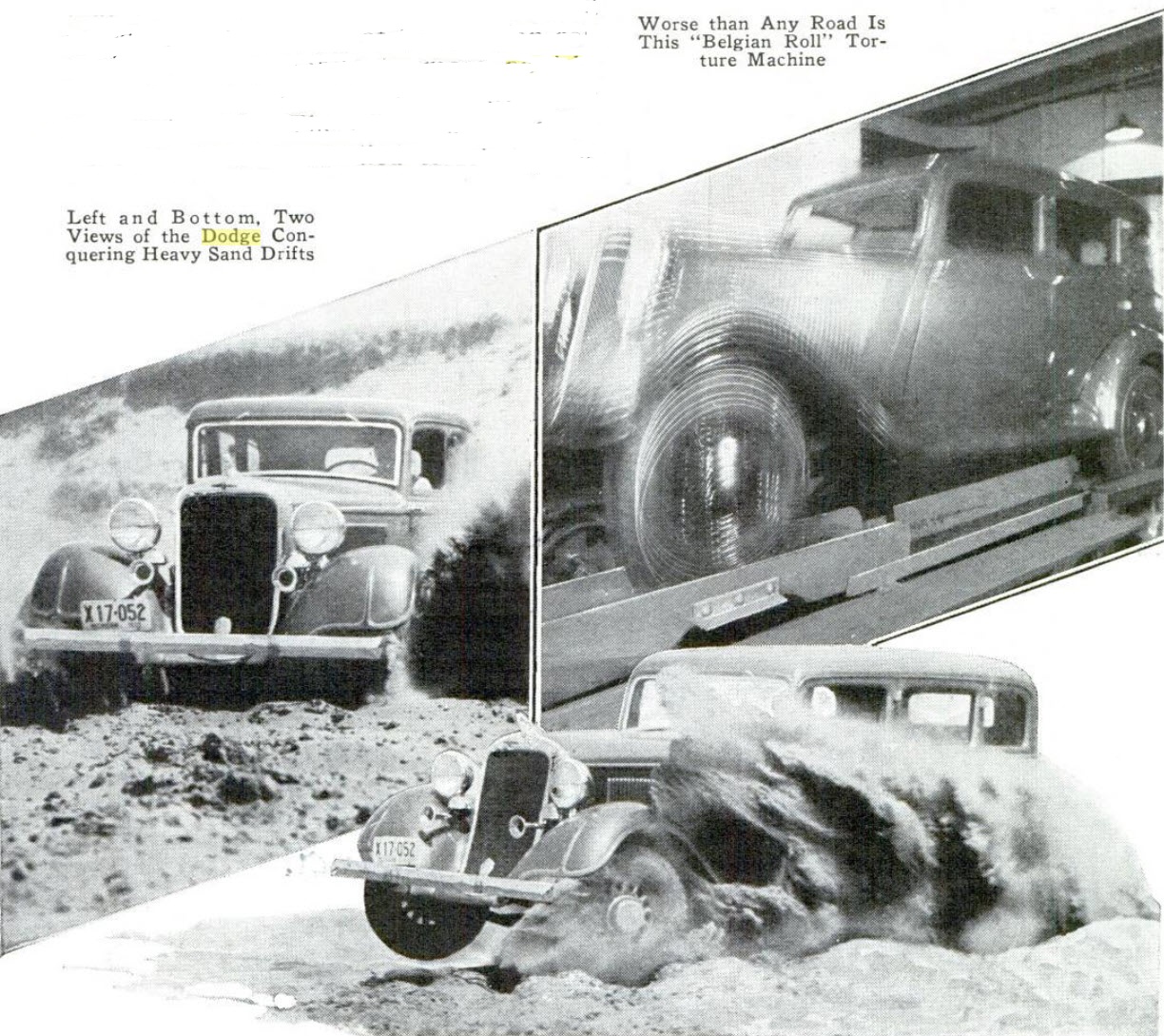 A quiet, safe, smoothly riding automobile that will give years of service.

Big Dodge Six in the torture pit
One unusual test of motor quietness was conducted by Dodge engineers under military supervision. While the engine was running, an expert rifleman sitting in the front seat fired ten shots with a United States army rifle at a regulation target 100 yards away. During aiming and firing, the rifle rested on the windshield. The result was a 100×100 target score.
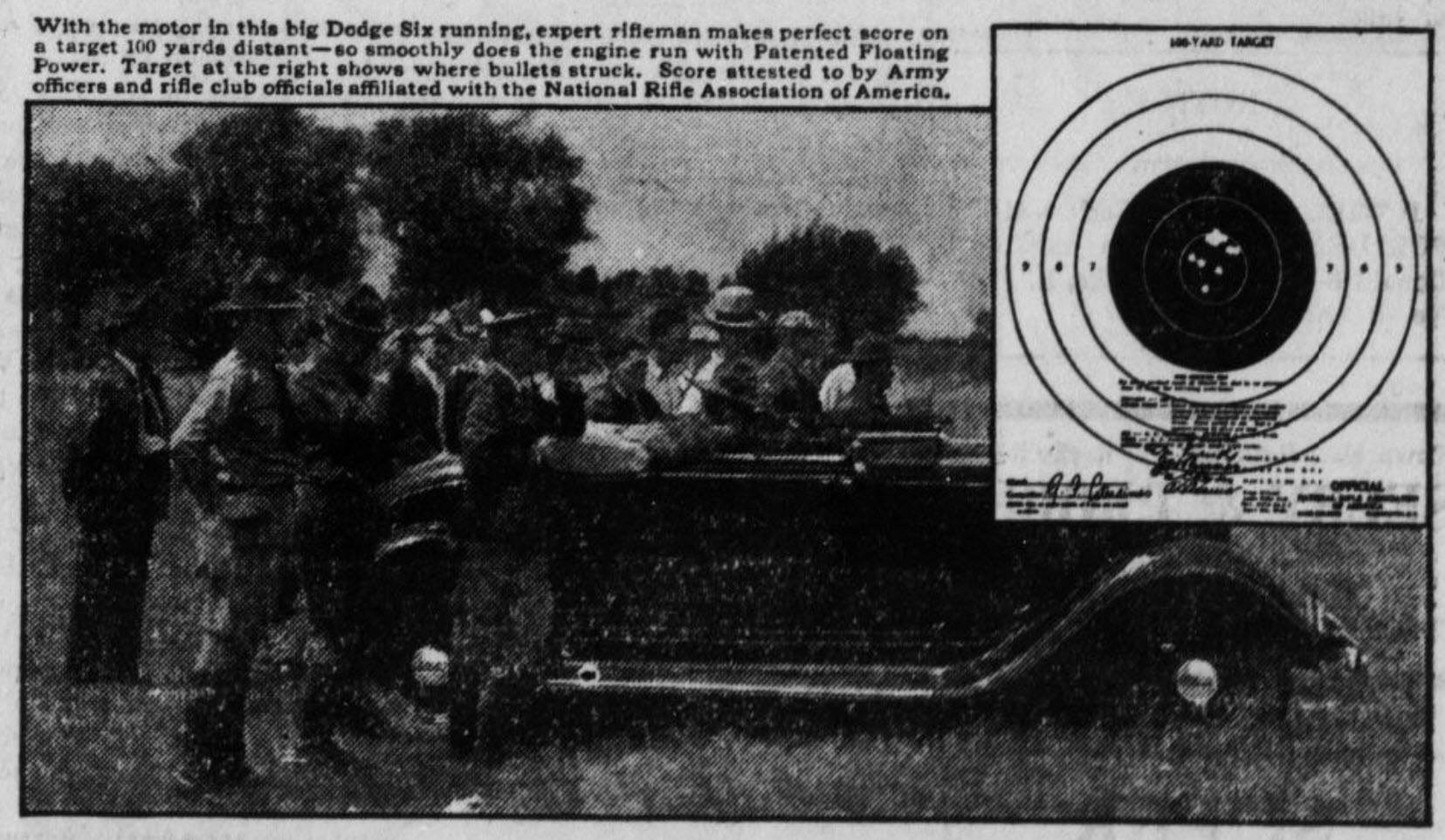
Target shows where bullets struck
Unusual as these tests may appear, they are the means to a common end, that of producing faster, safer and more comfortable automobiles.
Source: Popular Mechanics · Vol. 60, No. 6 · Dec 1933
The First Dodge Automobile Debuted in 1914
Horace Dodge (left, rear) and John Dodge (right, rear) take delivery of the first Dodge automobile on Nov. 14, 1914.
One hundred and seven years ago on this date –November 14, 1914 — the very first Dodge car, “Old Betsy”, rolled off the assembly line. On that day, the Dodge Brothers (Horace and John) were photographed riding in the rear seat of the first car to bear their last name. It cost $785, had a 110-inch wheelbase, and was powered by an L-head 4-cylinder engine that proved so reliable it was continued until 1920 with very little modification. Total production for 1914 was a mere 249 touring cars. The following year Dodge offered a two-passenger roadster which also sold for $785 and the plant went into full production.
According to “The Dodge Brothers: The Men, the Motor Cars, and the Legacy” by Charles K. Hyde, here’s the full story:
The widely accepted history of the initial production of early Dodge Brothers automobiles in November 1914 is at odds with much of the evidence about the earliest Dodge Brothers cars. Automotive historians have thought that the first production car, later named “Old Betsy,” came off the assembly line at the Hamtramck factory on 14 November 1914. Guy Ameel, superintendent of final assembly for Dodge Brothers since the start of automobile production, served as John and Horace’s chauffeur that day. With the brothers in the back seat, Ameel stopped the first Dodge Brothers car in front of John Dodge’s mansion on Boston Boulevard in Detroit and a photographer recorded this important moment.
“Old Betsy” was more likely an experimental prototype car assembled several months before 14 November 1914 and not a production car at all…
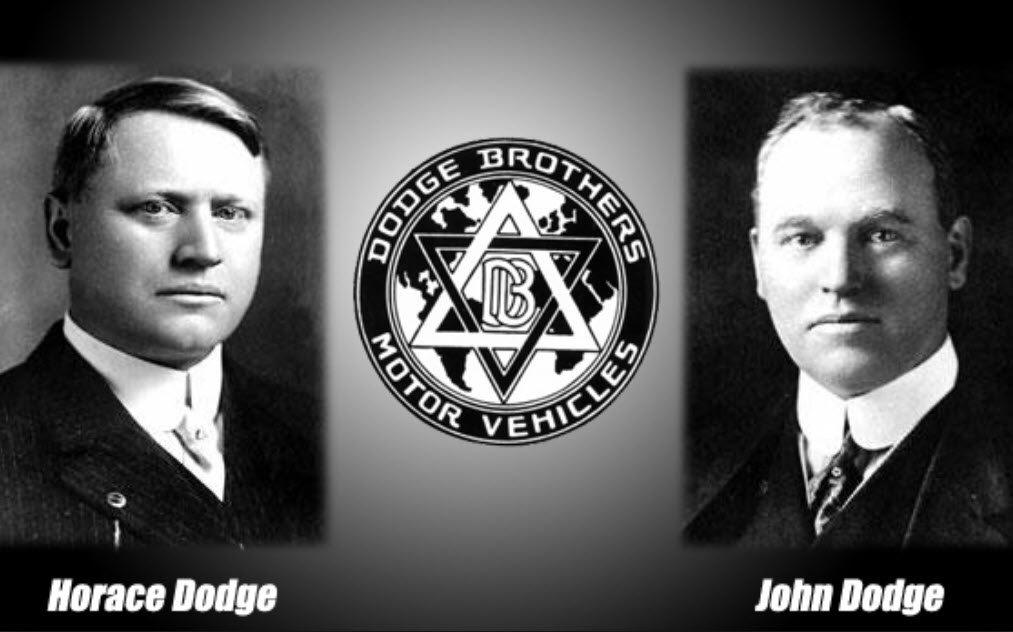
The Dodge Brothers
The Dodge Brothers began an aggressive advertising campaign to promote their new automobiles and to attract potential dealers to sell their cars. Few people jumped onto the Dodge Brothers bandwagon earlier than Lewis Reed, and not many have lasted longer.
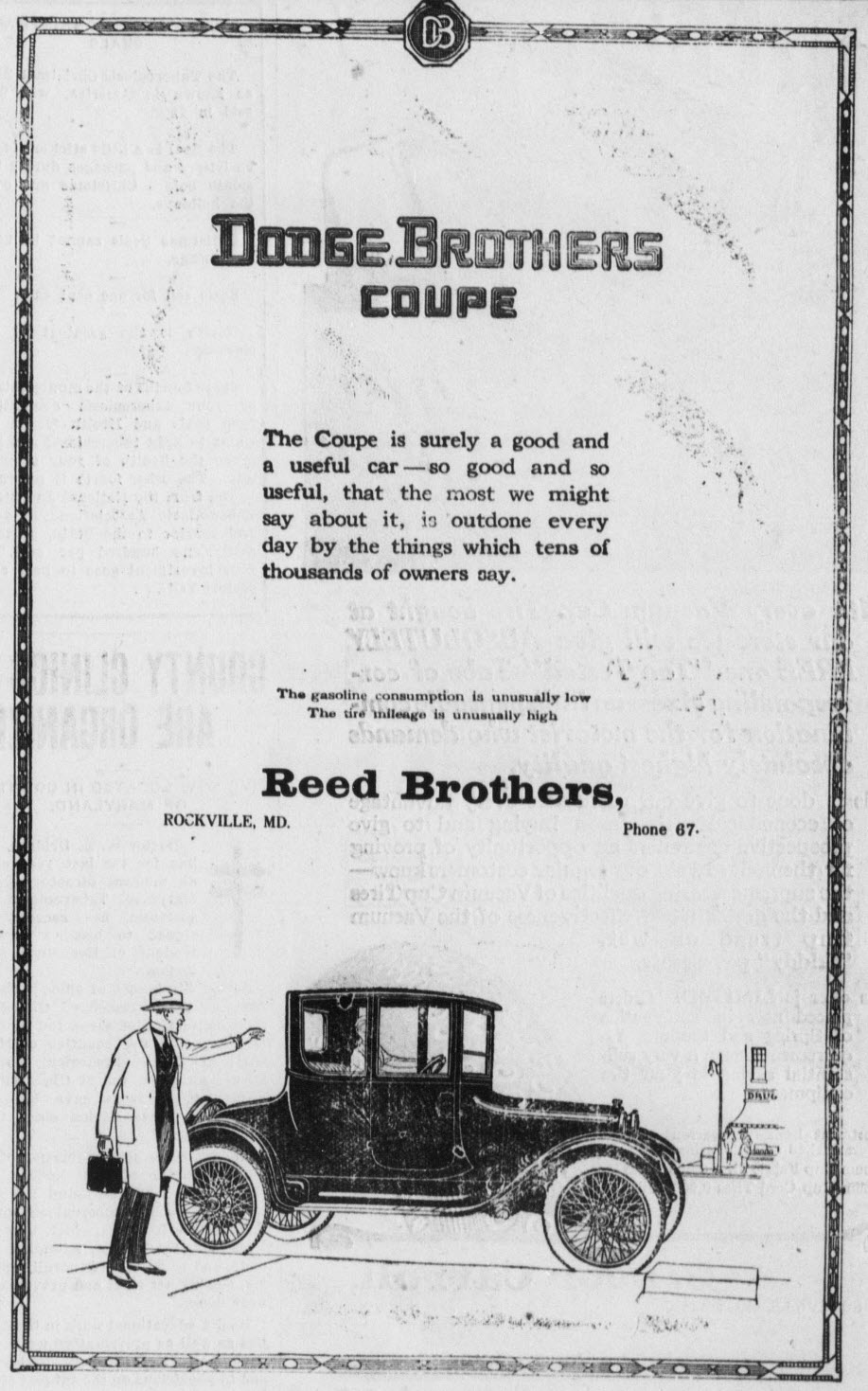
A Dodge Brothers Coupe ad from by Reed Brothers. Montgomery County Sentinel. December 24, 1920
Lewis Reed received his franchise to sell Dodge Brothers Motor Cars from John and Horace Dodge in October 1915; less than one year after the first Dodge Model-30 rolled off the assembly line for $785. He was just 27 years old. Since then, the business grew and transformed into the oldest Dodge dealership in Maryland history and one of the oldest in the entire United States.
The Dodge Brothers First Car
Horace Dodge (left, rear) and John Dodge (right, rear) take delivery of the first Dodge automobile on Nov. 14, 1914.
One hundred and five years ago on this date –November 14, 1914 — the very first Dodge car, “Old Betsy”, rolled off the assembly line. On that day, the Dodge Brothers (Horace and John) were photographed riding in the rear seat of the first car to bear their last name. It cost $785, had a 110-inch wheelbase, and was powered by an L-head 4-cylinder engine that proved so reliable it was continued until 1920 with very little modification. Total production for 1914 was a mere 249 touring cars. The following year. Dodge offered a two-passenger roadster which also sold for $785 and the plant went into full production.
According to “The Dodge Brothers: The Men, the Motor Cars, and the Legacy” by Charles K. Hyde, here’s the full story:
The widely accepted history of the initial production of early Dodge Brothers automobiles in November 1914 is at odds with much of the evidence about the earliest Dodge Brothers cars. Automotive historians have thought that the first production car, later named “Old Betsy,” came off the assembly line at the Hamtramck factory on 14 November 1914. Guy Ameel, superintendent of final assembly for Dodge Brothers since the start of automobile production, served as John and Horace’s chauffeur that day. With the brothers in the back seat, Ameel stopped the first Dodge Brothers car in front of John Dodge’s mansion on Boston Boulevard in Detroit and a photographer recorded this important moment.
“Old Betsy” was more likely an experimental prototype car assembled several months before 14 November 1914 and not a production car at all…
The Dodge Brothers
The Dodge Brothers began an aggressive advertising campaign to promote their new automobiles and to attract potential dealers to sell their cars. Few people jumped onto the Dodge Brothers bandwagon earlier than Lewis Reed, and not many have lasted longer.
Lewis Reed received his franchise to sell Dodge Brothers Motor Cars from John and Horace Dodge; less than one year after the first Dodge Model-30 rolled off the assembly line for $785. He was just 27 years old. Since then, the business grew and transformed into the oldest Dodge dealership in Maryland history and one of the oldest in the entire nation.
Books

Related Resources


Copyright Notice

Reed Brothers Dodge History (1915-2012) by Jeanne Gartner is licensed under a Creative Commons Attribution-NonCommercial 3.0 Unported License.
 Reed Brothers Dodge History 1915 – 2012
Recent Comments